
Delhi PUC centres to get Rs 1 lakh each to upgrade testing, CCTV
 By Meera IyerGovernance & Policy Editor, Peepals Bharat
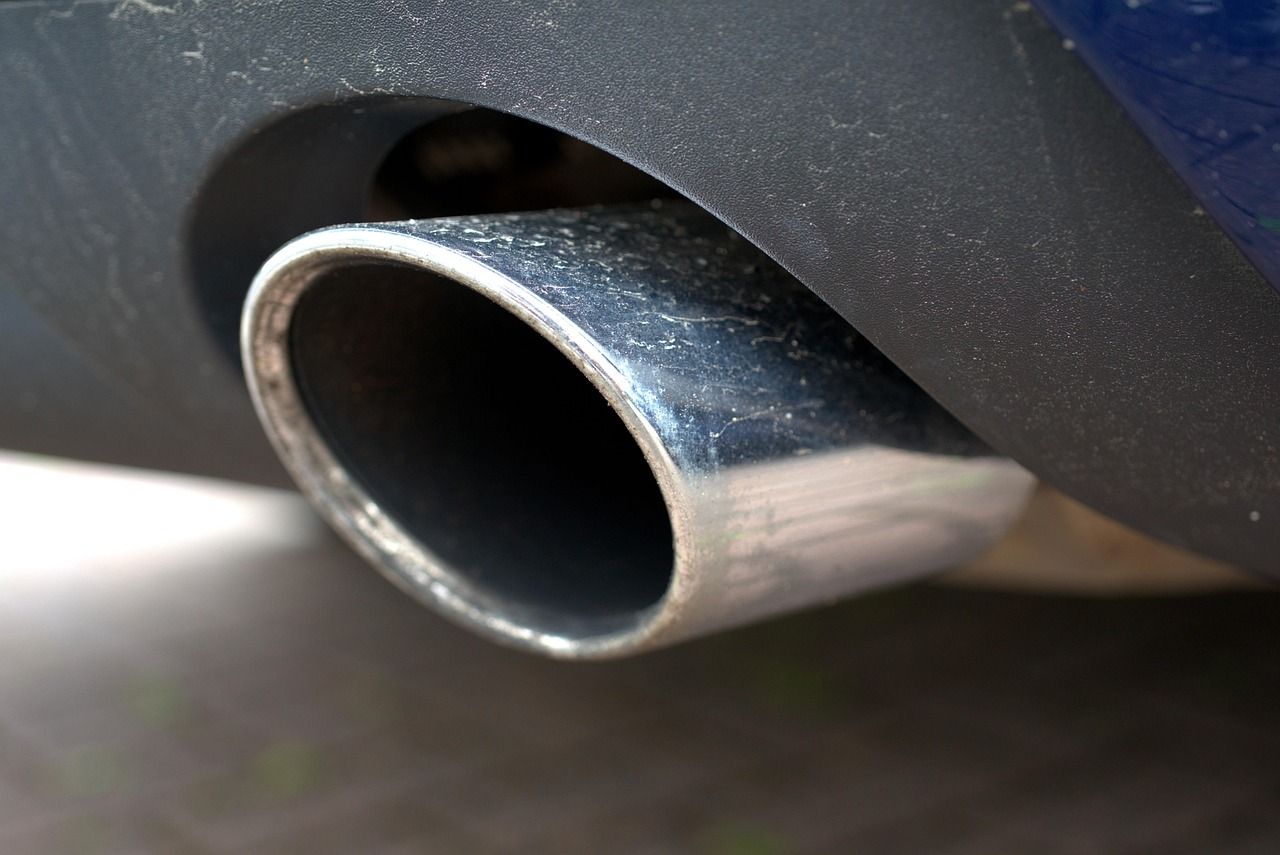
Representative image: webandi / Pixabay
Delhi's cabinet on 17 November 2026 approved a one-time Rs 1 lakh grant for each of about 500 pollution-testing (PUC) locations, a scheme costing about Rs 5 crore.
Delhi PUC centres: what happened
The Delhi cabinet, chaired by Chief Minister Rekha Gupta, approved a scheme on Tuesday, 17 November 2026, to upgrade the city's authorised Pollution Under Control (PUC) testing centres. Each of about 500 eligible locations where authorised centres operate will get one-time financial help of Rs 1 lakh, which can be spent on cabins, testing equipment, signboards and CCTV cameras. The government expects the scheme to cost about Rs 5 crore.
Delhi PUC centres: key facts
- Decision: Delhi cabinet, Tuesday, 17 November 2026, chaired by Chief Minister Rekha Gupta.
- Grant: one-time Rs 1 lakh per eligible location.
- Coverage: about 500 locations, where around 827 authorised PUC centres operate, according to Transport Department data.
- Total cost: about Rs 5 crore.
- Allowed uses: cabins and testing facilities, testing equipment, signboards and CCTV cameras.
- Eligibility: only centres recognised by the Delhi Transport Department that meet the scheme's conditions.
- Standards: the Transport Department is to set standard designs and specifications for centres that receive the money.
Delhi PUC centres: why it matters
A PUC certificate shows that a vehicle's exhaust is within legal limits. Vehicles on Delhi's roads need a valid one, and enforcement of emission rules depends on it. The certificate is only as good as the test behind it, and the test depends on working equipment, a proper testing space and honest operators.
That is the problem the scheme targets. Better cabins and equipment should make tests more reliable, signboards make authorised centres easier to identify, and CCTV allows officials to check that the vehicle being certified is actually the one tested. Coverage of the decision has linked the scheme to concerns about "proxy testing", where a certificate is issued without the vehicle being properly checked; that is one outlet's framing, and the government's own description focuses on infrastructure.
The timing matters. Delhi's air quality typically worsens in November, and vehicle emissions are among the sources officials target each winter. A small, one-time grant will not on its own clean the air, but it addresses a weak link: if certificates can be obtained without proper tests, rules that depend on them lose their force.
For vehicle owners, nothing changes in what they must do. They still need a valid PUC certificate. What should change, if the scheme works, is that the test at an authorised centre becomes more thorough and harder to bypass, and authorised centres become easier to recognise from the new signboards the grant is meant to pay for.
Peepals calculation: Rs 1 lakh for each of about 500 locations adds up to about Rs 5 crore (500 × 1 lakh), matching the government's estimate. With about 827 centres at about 500 locations, there are on average about 1.7 centres per location (827 ÷ 500 ≈ 1.65), so the grant is per site, not per centre. Our calculation from the reported figures.
| Item | Detail |
|---|---|
| Approved | Tuesday, 17 November 2026, Delhi cabinet |
| Grant | Rs 1 lakh per eligible location, one time |
| Locations | about 500 |
| Authorised centres | about 827 |
| Total cost | about Rs 5 crore |
| Uses | cabins, testing equipment, signboards, CCTV |
Delhi PUC centres: impact
Short-term: The Transport Department will set standard designs and invite eligible centres to use the grant; operators can expect new requirements on how their sites look and are monitored.
Long-term: Better-equipped, camera-monitored centres could make PUC certificates more trustworthy, which in turn strengthens enforcement of vehicle emission rules in Delhi.
Who is affected: PUC centre operators and the sites that host them; Delhi's vehicle owners, who rely on the certificates; and the Transport Department, which will run the scheme.
What to watch next: The Transport Department's standard designs and specifications for the centres, which the scheme requires it to set.
Delhi PUC centres: key takeaway
If you drive in Delhi, keep using authorised PUC centres, and expect testing at those sites to become more closely monitored once the grant-funded upgrades are in place.
Delhi PUC centres: questions and answers
What did the Delhi cabinet approve for PUC centres?
On 17 November 2026 it approved a one-time grant of Rs 1 lakh for each of about 500 eligible locations with authorised PUC centres, costing about Rs 5 crore.
What can PUC centres spend the grant on?
The money can be used for cabins and testing facilities, testing equipment, signboards and CCTV cameras.
Which PUC centres are eligible?
Only centres recognised by the Delhi Transport Department that meet the scheme's eligibility conditions.
How many PUC centres does Delhi have?
Transport Department data cited with the decision puts the number of authorised centres at about 827, across nearly 500 locations.
Disclaimer: Prepared by the Peepals newsroom from publicly available sources with AI assistance. Information is accurate to the best of our knowledge at the time of publication and may change. Images may be representative. Not professional advice. Report an error via our contact page.
By Meera Iyer, Governance & Policy EditorCovers Governance & Policy and more for Peepals Bharat. All stories by Meera Iyer
Collins Aerospace breaks ground on India MRO unit at Devanahalli, 2,100 jobs
Odisha Matric 2027 from March 12; 2026 batch still awaits original certificates
Your week ahead, every Sunday. Free.
Exam and result dates, IPOs opening, scheme deadlines, government holidays and the RBI decision for the next 7 days, plus the week's top stories. One email a week, unsubscribe in one click.
Meera Iyer is a pen name of the Peepals Global Editorial Team, which researches, fact-checks and publishes every story. The portrait is an illustration.
Responsible for this story: the Peepals Global Editorial Team, led by editor Prashant Sonar. How we report