
Cyclone Arnab: Odisha, Andhra tell farmers to harvest mature paddy, secure grain
 By Rohit SharmaMarkets Analyst, Peepals Business
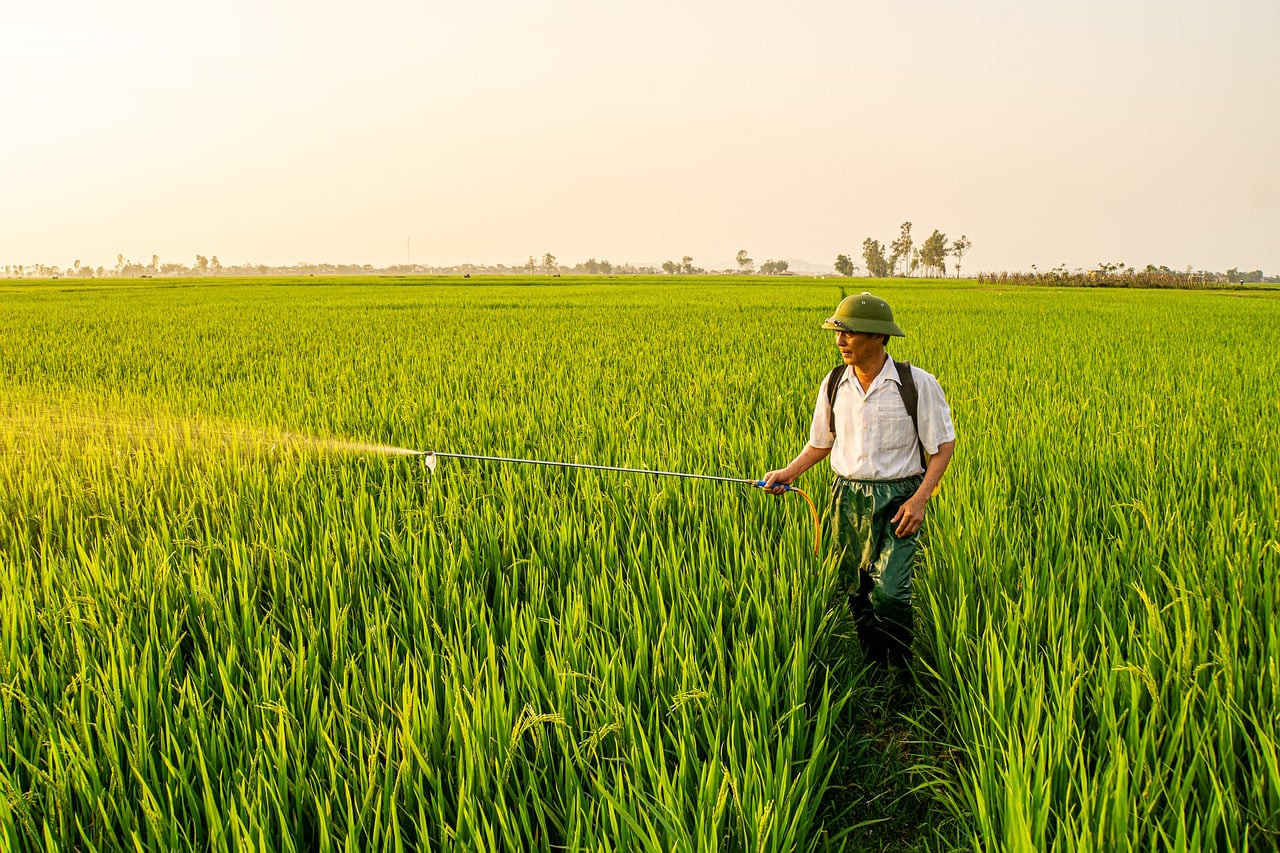
Representative image: TruongDinhAnh / Pixabay
Ahead of Cyclone Arnab's October 28 landfall near Yanam, Odisha and Andhra Pradesh told farmers to harvest mature paddy and protect harvested grain from rain.
What Happened
With Cyclone Arnab expected to cross the coast near Yanam on Wednesday, October 28, 2026, the governments of Odisha and Andhra Pradesh have told farmers to bring in their mature paddy and protect grain already harvested. Odisha's agriculture department has advised farmers to harvest crops that are 80 to 85 per cent mature and store them safely, and has opened agricultural helplines. In Andhra Pradesh, Chief Minister N. Chandrababu Naidu has asked the agriculture department to move harvested paddy to secure places and to take precautions for about 1.82 lakh hectares of horticulture crops.
Key Facts
- Landfall is forecast near Yanam on the Andhra Pradesh coast on October 28, with sustained winds of about 125 km an hour and gusts up to 140 km an hour, according to forecasts reported on October 26 and 27.
- Odisha: farmers told to harvest crops at 80-85 per cent maturity, store grain safely, clear field drains and move livestock to shelter; agricultural helplines opened.
- Malkangiri district administration has urged prompt harvest of mature paddy but warned farmers not to cut immature crops.
- Six southern Odisha districts (Ganjam, Gajapati, Rayagada, Malkangiri, Koraput, Nabarangpur) have a sea-fishing ban and curbs on tourist entry to waterfalls, hills and dams.
- Andhra Pradesh: harvested paddy to be shifted to safe sites; district collectors told to ensure harvested crops are procured; precautions ordered for about 1.82 lakh hectares of horticulture.
- Andhra Pradesh's kharif paddy procurement, with a target of 37 lakh tonnes, is due to begin on November 1.
- The IMD has warned of a storm surge of 1 to 1.5 metres in low-lying coastal areas around Kakinada and Yanam.
Why It Matters
The storm has arrived at the worst point in the farming calendar. Kharif paddy, the main monsoon rice crop, is being harvested across coastal Andhra Pradesh and southern Odisha. Grain that is still standing in the field can be flattened by strong winds, while grain that has been cut but not yet sold can get soaked by heavy rain. Wet paddy is a direct money problem for farmers: government buying centres accept paddy only up to a set moisture level, and grain that is too wet is either rejected or bought at a cut.
That is why both states are focusing on two things at once: getting mature grain out of the fields, and keeping harvested grain dry. The Malkangiri advice not to cut immature paddy matters too. Harvesting too early lowers yield and quality, so farmers have to judge which plots are ready.
Andhra Pradesh's order that collectors ensure procurement of harvested crops is aimed at the gap between harvest and sale. If farmers are left holding wet grain after the storm, private traders can offer far less than the minimum support price (MSP), the price at which the government buys. The state plans to open its kharif buying on November 1, through 2,619 procurement centres with about 24,000 staff, so how quickly those centres start working after the cyclone will decide how much farmers lose.
The cyclone also comes in a season when the national paddy target is already lower. The Centre has set procurement for the 2026-27 kharif marketing season at 708.64 lakh tonnes, described as the lowest in at least six years, after paddy sowing fell 3.35 per cent to 414.10 lakh hectares by August 28.
| State | Main farm instructions |
|---|---|
| Odisha | Harvest at 80-85% maturity, store grain safely, clear drains, shelter livestock; helplines opened |
| Andhra Pradesh | Move harvested paddy to safe sites, protect 1.82 lakh ha of horticulture, ensure procurement of harvested crops |
Impact
Short-term: Farmers in coastal Andhra Pradesh and southern Odisha face a race to harvest and cover grain before the rain. Fishing has stopped along the affected coast, cutting daily income for fishing families.
Long-term: The final crop loss will be known only after the storm passes and states carry out damage surveys. Heavy losses could reduce local paddy supply, delay procurement and lead to compensation claims under state relief rules and crop insurance.
Who is affected: Paddy and horticulture farmers in coastal Andhra Pradesh and the six southern Odisha districts, farm labourers, fishing communities, rice millers and the state agencies that buy grain.
Key Takeaway
Odisha and Andhra Pradesh have told farmers to harvest mature paddy and keep harvested grain dry before Cyclone Arnab's expected landfall near Yanam on October 28, as storm damage to grain directly cuts farm incomes.
Questions and Answers
What have farmers been told to do before Cyclone Arnab?
Odisha has asked farmers to harvest crops that are 80 to 85 per cent mature, store grain safely, clear drains and move livestock to shelter. Andhra Pradesh has asked officials to move harvested paddy to secure sites and protect horticulture crops.
When and where is Cyclone Arnab expected to make landfall?
Forecasts reported on October 26 and 27 put landfall near Yanam on the Andhra Pradesh coast on October 28, 2026, with winds of about 125 km an hour gusting to 140 km an hour.
Why is wet paddy a problem for farmers?
Government buying centres accept paddy only within a set moisture limit. Grain soaked by rain can be rejected or bought at a lower price, which cuts what the farmer earns.
When does Andhra Pradesh start buying kharif paddy?
The state's kharif paddy procurement is scheduled to begin on November 1, 2026, with a target of 37 lakh tonnes through 2,619 procurement centres.
Disclaimer: Prepared by the Peepals newsroom from publicly available sources with AI assistance. Information is accurate to the best of our knowledge at the time of publication and may change. Images may be representative. Not professional advice. Report an error via our contact page.
By Rohit Sharma, Markets AnalystCovers Markets Watch and more for Peepals Business. All stories by Rohit Sharma
Rohit Sharma is a pen name of the Peepals Global Editorial Team, which researches, fact-checks and publishes every story. The portrait is an illustration.