
Delhi High Court: pending Juvenile Justice Act trials move to Children's Courts
 By Meera IyerGovernance & Policy Editor, Peepals Bharat

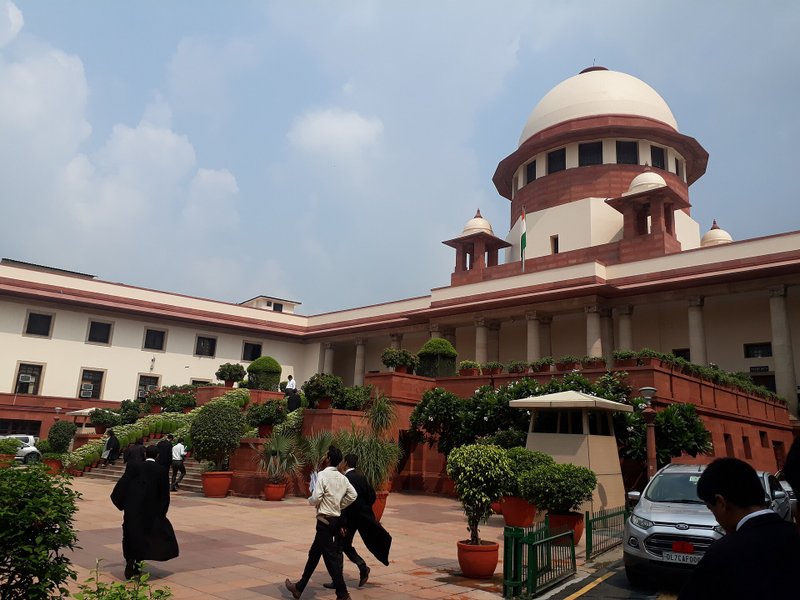
Representative image: sergeitokmakov / Pixabay
Delhi High Court held on 23 November 2026 that the 2021 JJ Act change sending offences to Children's Courts is retrospective, so pending magistrate trials move.
Delhi High Court: what happened
The Delhi High Court ruled on Monday, 23 November 2026 that the 2021 change to Section 86(4) of the Juvenile Justice (Care and Protection of Children) Act, 2015, which makes offences under the Act triable by Children's Courts, applies to old cases too. Trials of Juvenile Justice Act offences still pending before Judicial Magistrates First Class in Delhi must therefore be transferred to Children's Courts. A Division Bench of Justices Navin Chawla and Arun Bhardwaj gave the ruling on a reference sent by an Additional Sessions Judge at the Saket court complex.
Delhi High Court: key facts
- Ruling date: 23 November 2026, by a Division Bench of the Delhi High Court (Justices Navin Chawla and Arun Bhardwaj).
- What it decides: the amended Section 86(4) of the Juvenile Justice Act has retrospective effect, so it covers trials that began before the amendment.
- Practical result: pending trials of Juvenile Justice Act offences before Judicial Magistrates First Class are to move to Children's Courts.
- Limit: the ruling covers offences under the Juvenile Justice Act itself; ordinary criminal cases, including offences under the Bharatiya Nyaya Sanhita, do not move to a Children's Court merely because a victim is a minor.
- Appeals: an appeal against an order of a Children's Court lies before the High Court, not a Sessions Court.
- Reasoning: the Bench held that a change of trial forum is a matter of procedure, and procedural changes are presumed to apply to pending cases.
- Background: the 2021 amendment to the Juvenile Justice Act came into force on 1 September 2022.
Delhi High Court: why it matters
The Juvenile Justice Act is India's main law on children in conflict with the law and children in need of care. It also creates offences against children, such as the sale and procurement of children. Children's Courts are courts designated to try offences against children, with procedures meant to protect them. The 2021 amendment shifted the trial of these offences to Children's Courts, but it did not say clearly what would happen to cases already being heard by magistrates. That gap left courts unsure where older cases belonged.
By settling the question for Delhi, the ruling decides which court will hear a set of older cases and which court will hear any appeal. For families and child victims, a change of court can mean a fresh listing and some delay in the short run. In the longer run, the High Court's view is that these cases should be heard by the forum Parliament chose for them. The clarification that ordinary criminal cases with child victims stay where they are prevents a much wider and more disruptive transfer.
The decision binds courts in Delhi. Other High Courts may take their own view if the same question comes before them, and the Supreme Court can settle it for the whole country if the issue reaches it.
Peepals timeline: Parliament passed the Juvenile Justice (Care and Protection of Children) Act in 2015. It was amended in 2021, and the amendment, including the change to Section 86 on where offences are tried, took effect on 1 September 2022. Doubt then arose over trials already pending before magistrates. An Additional Sessions Judge at Saket referred the question to the High Court, and on 23 November 2026 a Division Bench held that the amendment applies retrospectively and ordered such trials to be moved to Children's Courts.
| Question | What the court held |
|---|---|
| Does the 2021 change apply to old cases? | Yes, it is retrospective |
| Where do pending JJ Act trials go? | To the Children's Court |
| Do BNS cases with child victims move? | No, not on that ground alone |
| Where does an appeal lie? | Before the High Court |
Delhi High Court: impact
Short-term: Magistrates' courts in Delhi will need to identify pending Juvenile Justice Act trials and send them to the designated Children's Courts. Lawyers in these cases should expect fresh listings.
Long-term: The ruling gives a clear rule for the forum of trial and appeal, which reduces the risk of verdicts being challenged later on the ground that the wrong court heard the case.
Who is affected: Child victims and their families in Juvenile Justice Act cases, accused persons in those trials, prosecutors, defence lawyers, and the Children's Courts that will receive the transferred cases.
Delhi High Court: key takeaway
Families and lawyers with a Juvenile Justice Act trial pending before a Delhi magistrate should check whether it is due to be transferred to a Children's Court and follow the new listing.
Delhi High Court: questions and answers
What did the Delhi High Court decide about the Juvenile Justice Act on 23 November 2026?
It held that the 2021 amendment to Section 86(4), which sends offences under the Act to Children's Courts, applies to pending cases as well. Trials still before Judicial Magistrates First Class must move to Children's Courts.
Will every criminal case with a child victim now go to a Children's Court?
No. The ruling applies only to offences under the Juvenile Justice Act. Cases under the Bharatiya Nyaya Sanhita or other laws do not move just because the victim is a minor.
What is a Children's Court?
It is a court designated to try offences against children and certain cases involving children, with procedures meant to protect them. Under this ruling, appeals from its orders go to the High Court.
Does this ruling apply outside Delhi?
It binds courts in Delhi. Courts in other states follow their own High Court's rulings, and the question can be settled nationally only by the Supreme Court.
Disclaimer: Prepared by the Peepals newsroom from publicly available sources with AI assistance. Information is accurate to the best of our knowledge at the time of publication and may change. Images may be representative. Not professional advice. Report an error via our contact page.
By Meera Iyer, Governance & Policy EditorCovers Governance & Policy and more for Peepals Bharat. All stories by Meera Iyer
Apollo Micro Systems to buy Bengaluru's IEC Group for defence motors
Meghalaya deficit teachers' strike: KSU warns as exams hit, talks stall
Your week ahead, every Sunday. Free.
Exam and result dates, IPOs opening, scheme deadlines, government holidays and the RBI decision for the next 7 days, plus the week's top stories. One email a week, unsubscribe in one click.
Meera Iyer is a pen name of the Peepals Global Editorial Team, which researches, fact-checks and publishes every story. The portrait is an illustration.
Responsible for this story: the Peepals Global Editorial Team. How we report