
Free sanitary pads for girls now mandatory in Karnataka schools, PU colleges
 By Vikram JoshiLife Balance Correspondent, Peepals Shakti
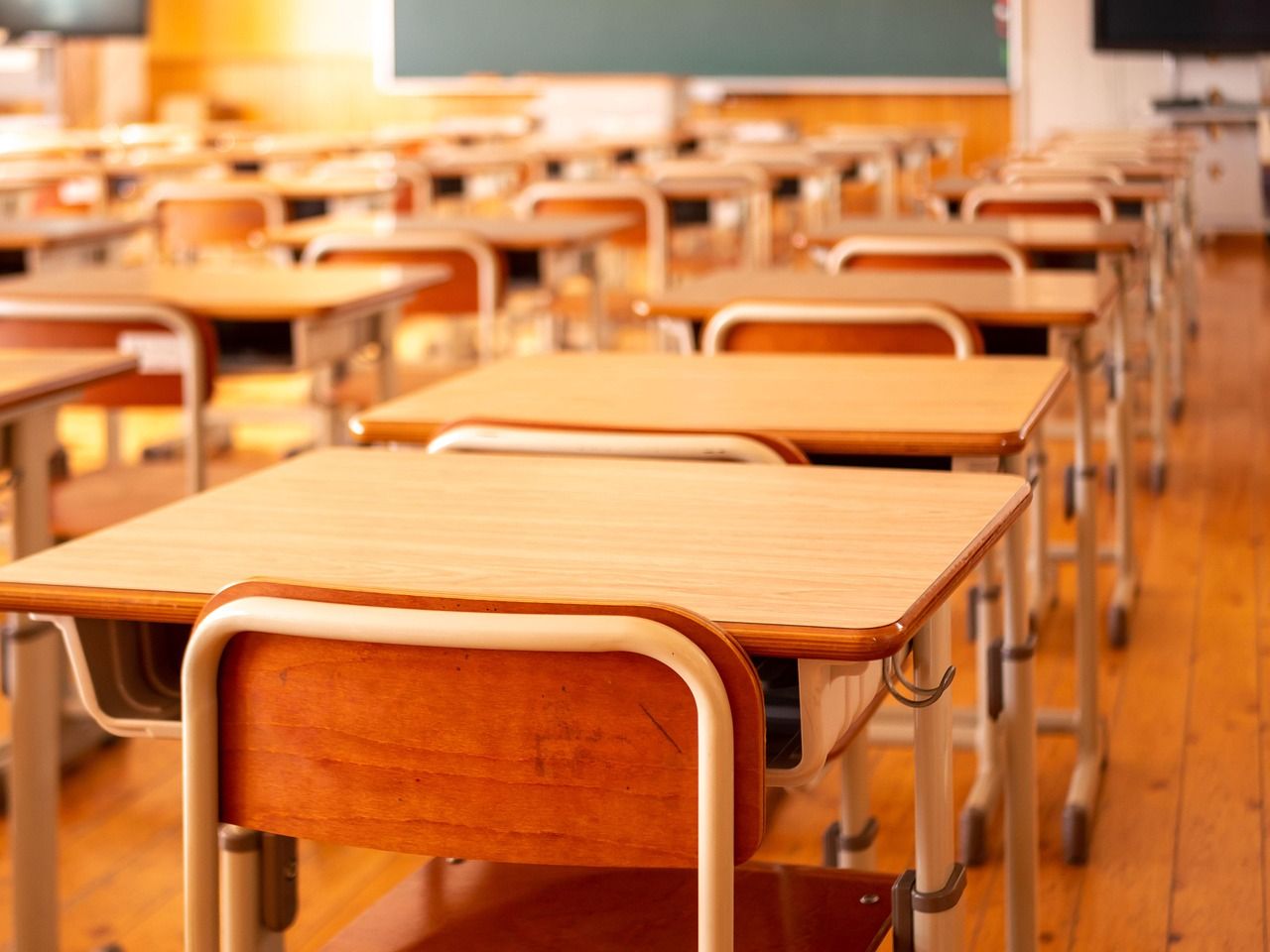
Representative image: DeltaWorks / Pixabay
Karnataka on 23 November 2026 made free sanitary pads, separate toilets and hygiene corners mandatory for girls in all schools and PU colleges.
Karnataka free sanitary pads: what happened
Karnataka's School Education Department has made free sanitary pads, separate toilets for girls and menstrual hygiene facilities compulsory in every school and pre-university (PU) college in the state, government, aided and private unaided alike. The circular, issued on Monday, 23 November 2026, gives institutions three months to set up menstrual hygiene corners and warns that heads of institutions who do not comply can face disciplinary action. The order follows a Supreme Court judgment of 30 January 2026 that treated menstrual hygiene as part of the right to life and dignity under Article 21 of the Constitution.
Karnataka free sanitary pads: key facts
- Who must comply: all government, aided and unaided schools and PU colleges in Karnataka.
- What girls get: free sanitary napkins, separate toilets, washing facilities and safe disposal of used pads.
- Coverage: girl students from Class 6 to the second year of PU, which in Karnataka corresponds to Class 12.
- Deadline: three months to set up menstrual hygiene corners.
- Checks: inspections will cover toilets, availability of sanitary napkins, cleanliness and waste disposal.
- Penalty: non-compliance can lead to disciplinary action.
- Legal basis: the Supreme Court's 30 January 2026 judgment in a public interest petition filed by Dr Jaya Thakur, which directed all states and Union Territories to provide these facilities in schools.
Karnataka free sanitary pads: why it matters
For many girls, a period can mean a missed school day. Without a clean, private toilet, water to wash, a place to dispose of a used pad or a spare pad in an emergency, staying in class becomes difficult and embarrassing. The Supreme Court's judgment recognised this by treating menstrual hygiene as a matter of dignity and the right to education, not a private problem for each family to solve.
Karnataka's circular turns that judgment into specific, checkable duties. By naming private unaided schools as well as government and aided ones, the state is making clear that the obligation does not depend on who runs the school. By setting a three-month deadline and linking compliance to inspections and disciplinary action, it gives parents and girls something concrete to ask for.
The order also covers PU colleges, so girls in the last two years of school, aged around 16 to 18, are included. The same duty therefore follows girls from their first years of middle school until they finish Class 12, a span of seven school years.
Peepals timeline: the Supreme Court delivered its judgment on 30 January 2026, directing states and Union Territories to provide free sanitary napkins, separate toilets, washing facilities and safe disposal in schools. Karnataka's School Education Department issued its circular on 23 November 2026, close to ten months later. Institutions now have three months to set up hygiene corners, and inspections will follow. Our timeline from the dates the sources give.
| Requirement | Detail |
|---|---|
| Free sanitary napkins | Girls from Class 6 to second-year PU |
| Separate toilets | Mandatory for girls |
| Hygiene corners | To be set up within three months |
| Disposal | Safe disposal of used napkins |
| Enforcement | Inspections; disciplinary action for non-compliance |
Karnataka free sanitary pads: impact
Short-term: Heads of schools and PU colleges must budget for pads, toilets and disposal arrangements and set up hygiene corners within three months.
Long-term: Reliable facilities can reduce the number of school days girls miss during their periods and make menstruation a normal, managed part of school life rather than a reason to stay home.
Who is affected: Girl students from Class 6 to second-year PU, their parents, school and college heads, and private school managements who now carry the same duty as government schools.
Karnataka free sanitary pads: key takeaway
Parents and students in Karnataka can now ask any school or PU college, including private ones, to show its free pads, separate toilet and hygiene corner, which must be in place within three months.
Karnataka free sanitary pads: questions and answers
Are free sanitary pads mandatory in Karnataka schools?
Yes. A circular of 23 November 2026 requires all government, aided and unaided schools and PU colleges to give girl students free sanitary napkins and other menstrual hygiene facilities.
Does the rule apply to private schools?
Yes. The circular covers private unaided schools and PU colleges as well as government and aided institutions.
Which Supreme Court ruling is behind the order?
The court's 30 January 2026 judgment on a petition by Dr Jaya Thakur, which treated menstrual hygiene as part of the right to life and dignity and directed all states and Union Territories to provide these facilities.
What happens if a school does not comply?
The department will inspect facilities, and non-compliance can lead to disciplinary action.
Disclaimer: Prepared by the Peepals newsroom from publicly available sources with AI assistance. Information is accurate to the best of our knowledge at the time of publication and may change. Images may be representative. Not professional advice. Report an error via our contact page.
By Vikram Joshi, Life Balance CorrespondentCovers Life Balance and more for Peepals Shakti. All stories by Vikram Joshi
Miss International 2026: Moldova wins, India's Vaishnavi Ganesh in Top 20
Nun keeps inheritance rights, Kerala High Court rules in land compensation case
Your week ahead, every Sunday. Free.
Exam and result dates, IPOs opening, scheme deadlines, government holidays and the RBI decision for the next 7 days, plus the week's top stories. One email a week, unsubscribe in one click.
Vikram Joshi is a pen name of the Peepals Global Editorial Team, which researches, fact-checks and publishes every story. The portrait is an illustration.
Responsible for this story: the Peepals Global Editorial Team. How we report