
Oister Global deeptech fund: Rs 600 crore for 8-10 revenue-earning start-ups
 By Siddharth VermaStaff Writer, Peepals Bharat
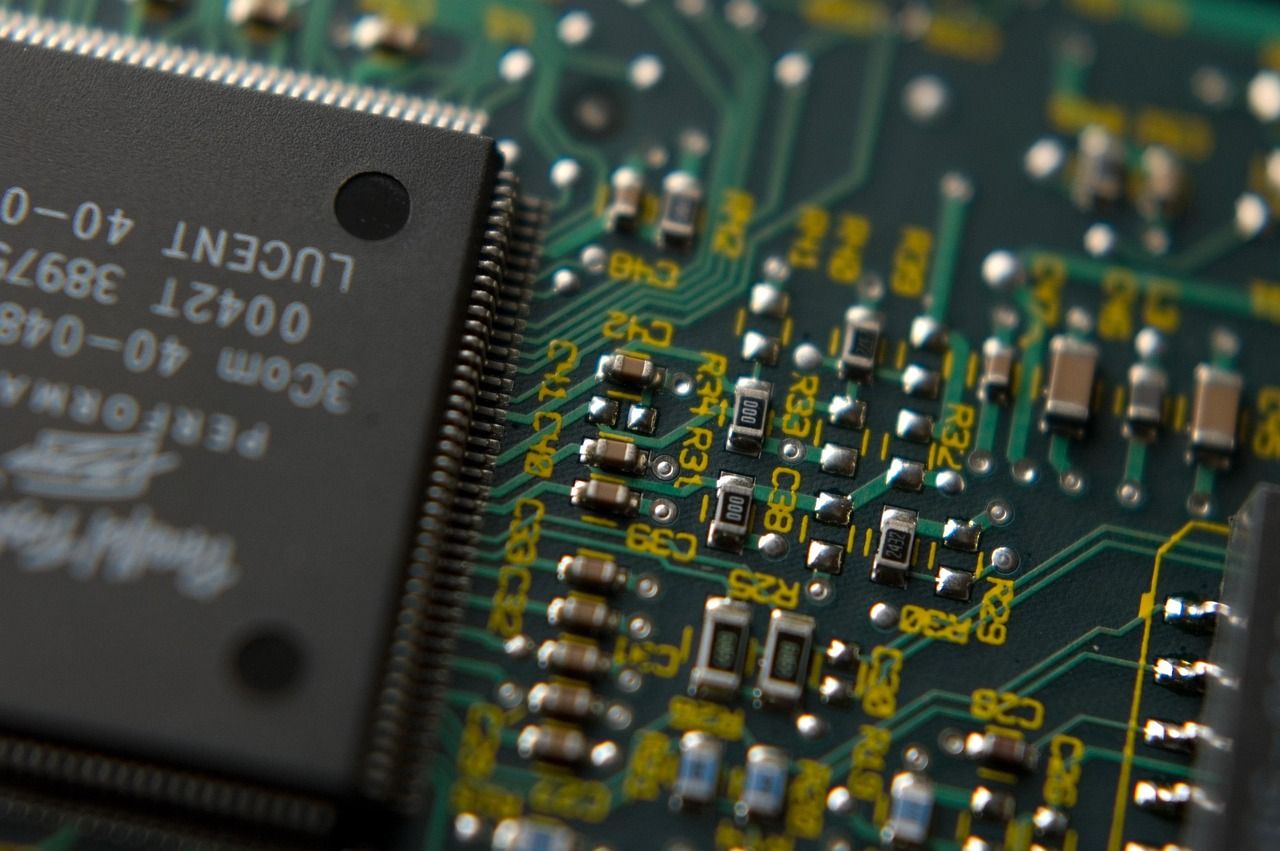
Representative image: zathris / Pixabay
Oister Global has launched a deeptech fund of up to Rs 600 crore to back eight to ten Indian companies in space, defence, chips and more, reported 15-16 November 2026.
What Happened
Oister Global, an India-focused private markets asset manager, has launched the Oister Deep Tech Fund, which can raise up to Rs 600 crore to invest in Indian deeptech companies that already earn revenue. The launch was reported on 15 and 16 November 2026. The fund is registered with the Securities and Exchange Board of India (SEBI) as a Category II Alternative Investment Fund, aims to raise Rs 400 crore with a greenshoe option of another Rs 200 crore, and plans a concentrated portfolio of eight to ten companies. It will look at space technology, defence and aerospace, semiconductors and electronics, quantum technologies, advanced mobility, advanced materials and energy storage.
Oister Global deeptech fund: key facts
- Fund: Oister Deep Tech Fund, registered as Oister Global Scheme II, a SEBI Category II AIF.
- Size: Rs 400 crore target plus a Rs 200 crore greenshoe option, for a possible corpus of Rs 600 crore.
- Portfolio: eight to ten companies.
- Stage: companies past the technology development stage, with proven intellectual property and revenue, rather than early-stage start-ups.
- Rounds: the fund will take part in both primary rounds (new shares) and secondary rounds (buying shares from existing holders).
- Term: six years, extendable by up to two years with investors' approval.
- Sectors: space, defence and aerospace, semiconductors and electronics, quantum, advanced mobility, advanced materials and energy storage.
Oister Global deeptech fund: why it matters
Indian deeptech companies, those building hardware, chips, satellites or new materials rather than apps, face a well-known funding problem. They need years and large sums before their products are ready, and once they start earning, many still find too few investors willing to write large growth-stage cheques. The fund's own pitch is that the step from first revenue to scale is where the money runs short. Oister Global's co-founder and co-CEO, Rohit Bhayana, said that gap was the reason for the fund: "That is the gap we saw, and it is why we launched the Oister Deep Tech Fund."
The fund's design shows which founders it is for. A concentrated portfolio of eight to ten companies means larger amounts in fewer firms, and the focus on proven intellectual property and revenue means founders still at the prototype stage are unlikely to qualify. Its willingness to buy secondary shares also matters: it gives early investors and employees a way to sell part of their holdings without the company having to list on the stock market.
The sector list is weighted towards hardware: space, defence and aerospace, semiconductors, quantum, mobility, materials and energy storage. Products in these fields take long to build and sell, and a fund with a six-year life, extendable to eight, is set up for that slower pace. Notably, software and artificial intelligence are not among the named focus areas.
Peepals calculation: If the full Rs 600 crore is raised and spread across eight to ten companies, the average investment would be about Rs 60 crore to Rs 75 crore per company (600 ÷ 10 = 60; 600 ÷ 8 = 75). On the base target of Rs 400 crore alone, the average would be Rs 40 crore to Rs 50 crore. The greenshoe would raise the fund's size by 50% (200 ÷ 400). Our calculation from the reported figures.
| Corpus | 8 companies | 10 companies |
|---|---|---|
| Rs 400 crore (base) | Rs 50 crore each | Rs 40 crore each |
| Rs 600 crore (with greenshoe) | Rs 75 crore each | Rs 60 crore each |
Impact
Short-term: Deeptech companies in the listed sectors that already earn revenue have one more growth-stage investor to approach. Early backers of such firms may also find a buyer for some of their shares through secondary deals.
Long-term: If the fund deploys its money and returns it within its term, it could encourage more growth-stage capital for Indian hardware and frontier technology firms. The firm has said it plans to build its deeptech strategy into a series of funds.
Who is affected: Founders of revenue-earning deeptech companies in space, defence, chips, quantum, mobility, materials and energy storage; their early investors and employees holding shares; and investors looking at Indian private markets.
Key Takeaway
Oister Global's new deeptech fund, up to Rs 600 crore, will back eight to ten Indian companies that already have proven technology and revenue, aiming at the growth-stage funding gap rather than at early start-ups.
Questions and Answers
How big is the Oister Global deeptech fund?
It targets Rs 400 crore with a greenshoe option of Rs 200 crore, so the corpus could reach Rs 600 crore.
Which start-ups can the Oister Deep Tech Fund invest in?
Indian deeptech companies in space, defence and aerospace, semiconductors and electronics, quantum technologies, advanced mobility, advanced materials and energy storage that have moved beyond product development and earn revenue.
How many companies will the fund back?
Eight to ten. If the full Rs 600 crore is raised, that works out to an average of about Rs 60 crore to Rs 75 crore per company.
How long will the fund run?
Six years, which can be extended by up to two years if its investors agree.
Disclaimer: Prepared by the Peepals newsroom from publicly available sources with AI assistance. Information is accurate to the best of our knowledge at the time of publication and may change. Images may be representative. Not professional advice. Report an error via our contact page.
By Siddharth Verma, Staff WriterCovers Business and more for Peepals Bharat. All stories by Siddharth Verma
EC: SIR-deleted voters filing Form 6 will not be prosecuted
Toyota Kirloskar Auto Parts opens Rs 460 crore E-Drive line at Bidadi
Your week ahead, every Sunday. Free.
Exam and result dates, IPOs opening, scheme deadlines, government holidays and the RBI decision for the next 7 days, plus the week's top stories. One email a week, unsubscribe in one click.
Siddharth Verma is a pen name of the Peepals Global Editorial Team, which researches, fact-checks and publishes every story. The portrait is an illustration.
Responsible for this story: the Peepals Global Editorial Team, led by editor Prashant Sonar. How we report