
Odisha Bovine Breeding Bill 2026: Cabinet backs regulator, digital cattle registry
 By Meera IyerGovernance & Policy Editor, Peepals Bharat
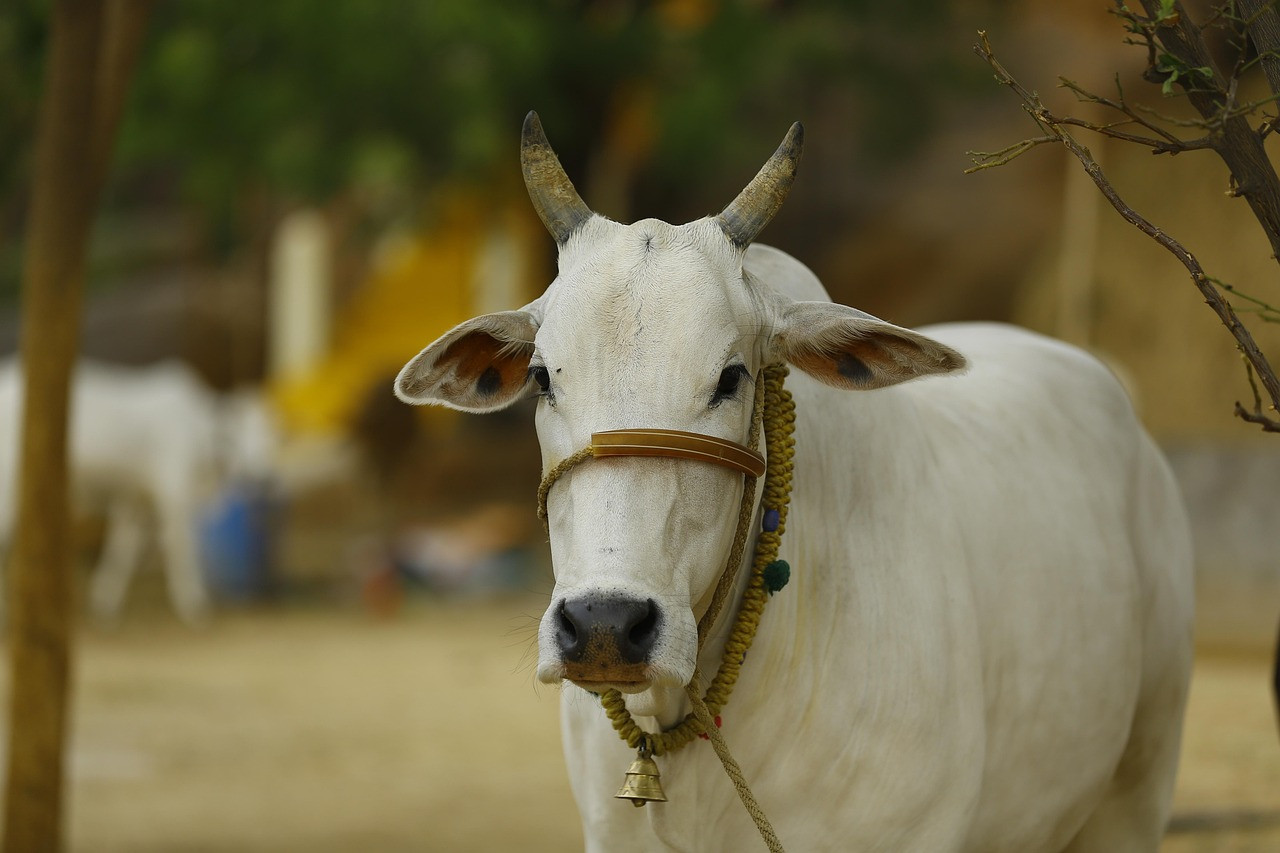
Representative image: hanubkrishna / Pixabay
Odisha's Cabinet approved the draft Bovine Breeding (Regulation) Bill, 2026 on 9 November, proposing a breeding regulator, a digital pedigree registry and a fund.
What Happened
The Odisha Cabinet, chaired by Chief Minister Mohan Charan Majhi, on Monday, 9 November 2026 approved the draft Odisha Bovine Breeding (Regulation) Bill, 2026, which would bring cattle and buffalo breeding services in the state under a regulator for the first time. The bill would set up an Odisha Bovine Breeding Regulatory Authority, a State Digital Livestock Breeding Registry and an Odisha Bovine Genetic Improvement Fund. It will now be introduced in the Odisha Legislative Assembly, and it becomes law only if the Assembly passes it.
Key Facts
- Decision: the Odisha Cabinet approved the draft Odisha Bovine Breeding (Regulation) Bill, 2026 on 9 November 2026, one of 13 proposals from 10 departments cleared at the meeting.
- Next step: the bill is to be introduced in the Odisha Legislative Assembly.
- Regulator: an Odisha Bovine Breeding Regulatory Authority would handle registration, certification, quality monitoring and enforcement of breeding standards.
- Registry: a State Digital Livestock Breeding Registry would record animal identification, pedigree, parentage checks and breeding outcomes.
- Fund: an Odisha Bovine Genetic Improvement Fund would support genetic improvement, conservation of indigenous breeds, modern breeding technology, training and research.
- Technologies covered: the bill would regulate sex-sorted semen, which raises the chance of a female calf, and advanced methods such as in-vitro fertilisation and embryo transfer.
- Stated aims: scientific breeding, better quality of breeding services, protection of farmers' interests, and support for the milk production targets of the state's Viksit Odisha vision, according to official briefings reported in the media.
Why It Matters
In most villages, a dairy farmer who wants a calf from a better breed depends on artificial insemination, the placing of bull semen in a cow or buffalo by a trained technician. The quality of that service varies widely. Semen may come from untested bulls, it may be badly stored, and the technician may have little training. The result can be failed pregnancies, weak calves and low milk yields, a loss that falls entirely on the farmer. Until now, such services in Odisha have not been tied to a single set of rules.
The draft bill tries to change that by requiring registration and certification and by tracking each animal's breeding record digitally. In practice, this would mean that anyone offering breeding services, from semen stations to private technicians, would need to meet set standards, and farmers would have a record of their animal's pedigree. Pedigree records matter because they help farmers and dairies choose breeding that raises milk yield over generations, and they make it easier to check whether a promised breed was actually delivered.
Including newer technologies is significant. Sex-sorted semen, which helps produce female calves that will one day give milk, and embryo transfer, which lets one high-yielding cow produce many calves through surrogate mothers, are spreading in India. They can raise productivity, but they also carry risks if done poorly. Placing them under a regulator gives the state a way to set standards before these methods become widespread. The fund for indigenous breeds also matters, since native cattle are better suited to local heat and disease.
Peepals timeline: The proposal came before the Cabinet on Monday, 9 November 2026, as one of 13 items from 10 departments; the same meeting cleared the state's paddy procurement policy and a pumped storage power project, which Peepals reported separately. The draft must now be introduced in the Odisha Legislative Assembly; no date for that has been announced. Once passed and notified, the Authority, the registry and the fund would have to be set up and staffed before the rules take effect on the ground.
| Proposed body | What it would do |
|---|---|
| Odisha Bovine Breeding Regulatory Authority | Register and certify breeding services, monitor quality, enforce standards |
| State Digital Livestock Breeding Registry | Record animal identity, pedigree, parentage checks, breeding outcomes |
| Odisha Bovine Genetic Improvement Fund | Fund genetic improvement, indigenous breeds, technology, training, research |
Impact
Short-term: Nothing changes for farmers until the Assembly passes the bill and the government notifies rules. Breeding service providers, including private technicians, should expect registration requirements once the law is in force.
Long-term: If implemented well, the law could raise the quality of breeding services, improve calf health and milk yields, and give Odisha a digital record of its cattle and buffalo breeding. It could also bring more oversight to advanced methods such as embryo transfer and sex-sorted semen.
Who is affected: Dairy farmers and livestock keepers across Odisha, artificial insemination technicians and semen suppliers, dairy cooperatives, veterinary staff of the state's animal resources department, and conservation programmes for indigenous breeds.
Key Takeaway
Odisha's Cabinet has approved a draft law to regulate cattle and buffalo breeding, with a new authority, a digital pedigree registry and a genetic improvement fund, but it needs the Assembly's approval before it changes anything for farmers.
Questions and Answers
What is the Odisha Bovine Breeding (Regulation) Bill, 2026?
It is a draft state law, approved by the Odisha Cabinet on 9 November 2026, to regulate cattle and buffalo breeding services. It proposes a regulatory authority, a digital livestock breeding registry and a fund for genetic improvement and indigenous breeds.
Is the bovine breeding law already in force in Odisha?
No. The Cabinet has only approved the draft. It must be introduced in and passed by the Odisha Legislative Assembly, and rules must then be notified, before it takes effect.
How will the bill affect dairy farmers?
According to the government, it aims to improve the quality of breeding services and protect farmers' interests by requiring registration and certification of breeding services and keeping digital pedigree records of animals.
Which breeding technologies does the bill cover?
Besides regular breeding services, it would regulate sex-sorted semen, which increases the chance of a female calf, and advanced methods such as in-vitro fertilisation and embryo transfer.
Disclaimer: Prepared by the Peepals newsroom from publicly available sources with AI assistance. Information is accurate to the best of our knowledge at the time of publication and may change. Images may be representative. Not professional advice. Report an error via our contact page.
By Meera Iyer, Governance & Policy EditorCovers Governance & Policy and more for Peepals Bharat. All stories by Meera Iyer
Green Lake Trek in North Sikkim reopens after four years
Punjab government schools to get 56,183 computers by December 1
Get the day's stories in your inbox
Peepals Weekly: the week decoded, free. One email a week, unsubscribe in one click.
Meera Iyer is a pen name of the Peepals Global Editorial Team, which researches, fact-checks and publishes every story. The portrait is an illustration.