
Jamia announces student union elections after 21 years; protesters reject order
 By Aditi KulkarniEducation Writer, Peepals Bharat
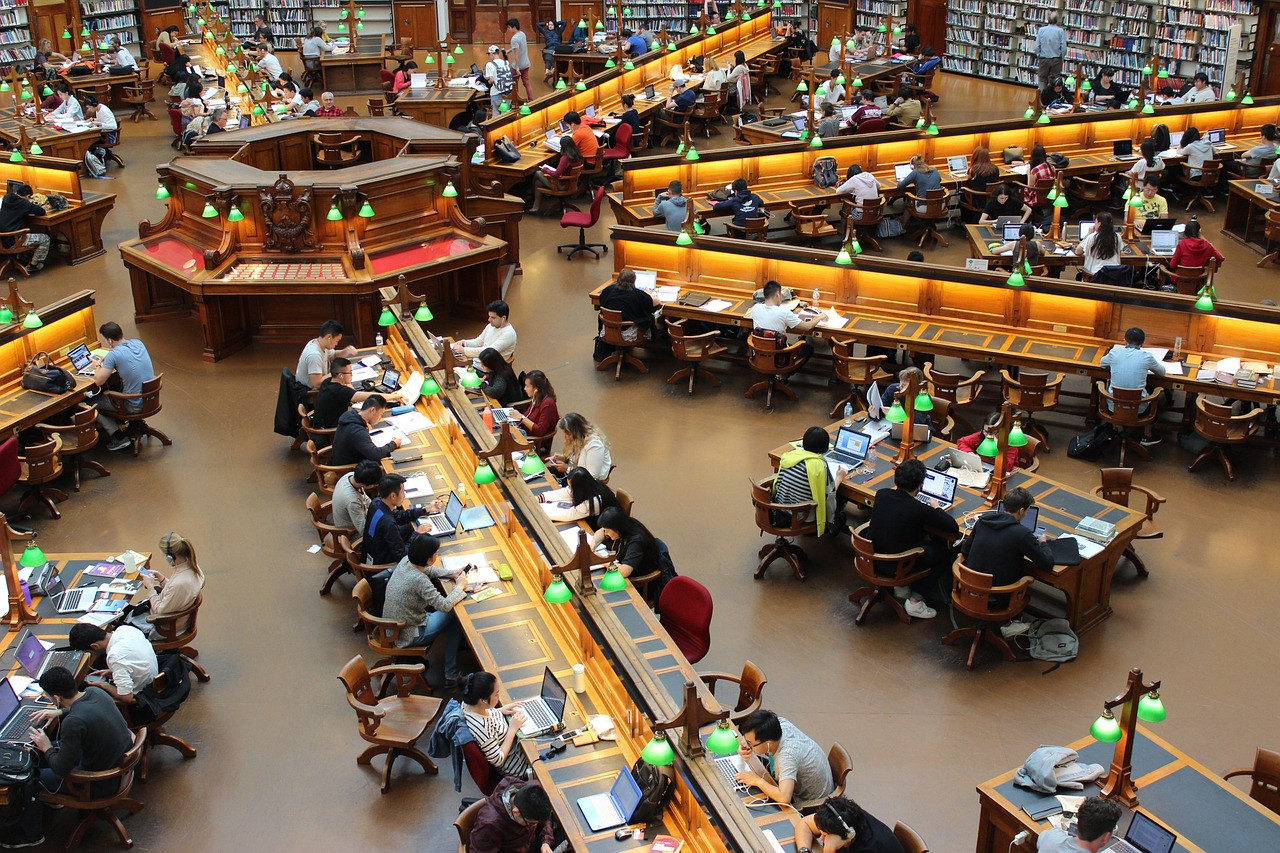
Representative image: andrew_t8 / Pixabay
Jamia Millia Islamia announced on October 26, 2026 that student union elections will resume after about two decades; protesting students called the order vague.
What Happened
Jamia Millia Islamia, the central university in Delhi, announced on Monday, October 26, 2026 that it will resume student union elections, which have not been held for about two decades, after days of protests and a hunger strike by students demanding a union. According to the university's order, elections will be held 15 days after a constitution for the students' union is approved. The university also revoked suspensions and show-cause notices issued during the protest and set up a committee to inquire into the conduct of security staff. Protesting students rejected the order as vague, saying it gives no date for approving the constitution, and said they would continue their hunger strike. Later the same day, the administration issued a final notice asking protesters to vacate campus buildings or face action.
Key Facts
- Announcement: October 26, 2026, by Jamia Millia Islamia's administration.
- Elections: to be held 15 days after a students' union constitution is approved; no date has been set for that approval.
- The university's last student union elections were held about 21 years ago, according to reports.
- The order revoked all suspensions and show-cause notices issued during the protest.
- A committee will inquire into the actions of security personnel during the protest.
- Students' response: they called the order vague, sought a fixed timeline and the Proctor's resignation, and continued their hunger strike.
- Final notice: the administration directed protesters to vacate the Gulistan-e-Ghalib building and Ghalib Lawn on the north campus, warning of disciplinary and legal action.
- As of October 27, the standoff was continuing, with students insisting on a fixed election date.
Why It Matters
Student unions give students an elected voice in how their university is run, on issues from hostel rules and fees to campus safety and academic calendars. At Jamia, the absence of elections for two decades has been a long-running grievance, and the current protest turned it into the main demand.
The announcement is a significant shift in the university's position. Agreeing in principle to restore elections, withdrawing disciplinary action and ordering an inquiry into security staff answers several of the protesters' demands at once. But the order ties the elections to a step that has no deadline, the approval of a union constitution. That is why students say it does not go far enough: without a timeline, they fear the process could stall.
The dispute has already disrupted academic life on campus, and the administration's latest notice to vacate buildings raises the risk of further confrontation. How the next few days unfold will decide whether students return to normal classes or the standoff deepens.
For students elsewhere, the episode highlights a broader question about campus democracy: how a university balances order on campus with students' demand for an elected voice. The Jamia case will be watched as an example of how such disputes are resolved.
| Issue | University's order (October 26) | Students' position |
|---|---|---|
| Union elections | 15 days after constitution approval | Want a fixed date |
| Disciplinary action | Suspensions and notices revoked | Welcomed, but not enough |
| Security staff | Inquiry committee set up | Demand Proctor's resignation |
| Protest sites | Ordered to vacate buildings | Hunger strike continuing |
Impact
Short-term: The protest and hunger strike continue, and the administration's notice to vacate buildings could lead to disciplinary or legal action if protesters do not leave.
Long-term: If a constitution is approved and elections are held, Jamia students would have an elected union for the first time in about two decades, changing how students engage with the university's administration.
Who is affected: Jamia Millia Islamia's students and teachers, the university administration, and students at other universities following the dispute.
Key Takeaway
Jamia has promised student union elections after about two decades, but without a date for the key first step, protesting students say they will keep up their hunger strike.
Questions and Answers
Will Jamia Millia Islamia hold student union elections?
The university said on October 26, 2026 that elections will be held 15 days after a constitution for the students' union is approved. No date for that approval has been announced.
When were Jamia's last student union elections?
About two decades ago; reports put the gap at 21 years.
Why are Jamia students still protesting?
They say the order is vague because it sets no timeline for approving the union constitution, and they also want the Proctor to resign.
Has Jamia withdrawn action against protesting students?
Yes. The order revoked all suspensions and show-cause notices issued during the protest and set up an inquiry into the conduct of security staff.
Disclaimer: Prepared by the Peepals newsroom from publicly available sources with AI assistance. Information is accurate to the best of our knowledge at the time of publication and may change. Images may be representative. Not professional advice. Report an error via our contact page.
By Aditi Kulkarni, Education WriterCovers Education and more for Peepals Bharat. All stories by Aditi Kulkarni
Skydo gets final IFSCA nod for GIFT City payments licence
Shah Rukh Khan King movie poster confirms December 24 release
Get the day's stories in your inbox
Peepals Weekly: the week decoded, free. One email a week, unsubscribe in one click.
Aditi Kulkarni is a pen name of the Peepals Global Editorial Team, which researches, fact-checks and publishes every story. The portrait is an illustration.