India crosses 2.5 lakh DPIIT-recognised start-ups with 25.42 lakh jobs
 By Meera IyerGovernance & Policy Editor, Peepals Bharat

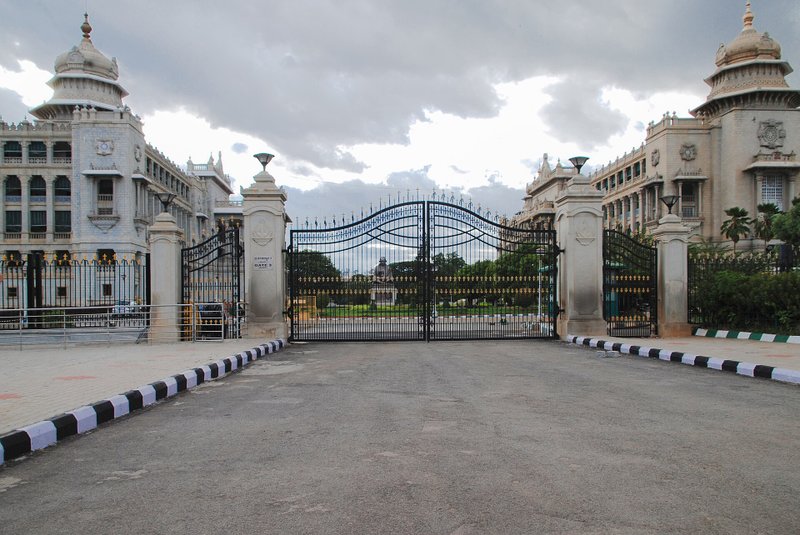
Representative image: Surprising_Media / Pixabay
DPIIT said on October 27, 2026 that it has recognised 2,50,046 start-ups employing over 25.42 lakh people in 770-plus districts, and cut 47,957 compliances.
What Happened
India now has 2,50,046 start-ups recognised by the Department for Promotion of Industry and Internal Trade (DPIIT), according to figures released on Tuesday, October 27, 2026. These start-ups have created more than 25.42 lakh jobs across over 770 districts and 56 industries, the department said. The figures came alongside an update on DPIIT's push for what the government calls "trust-based governance": it said 47,957 compliance requirements for businesses have been reduced across central ministries, states and Union Territories, and that the Jan Vishwas Acts have decriminalised 900 provisions in central laws.
Key Facts
- DPIIT-recognised start-ups: 2,50,046 as of October 27, 2026.
- Jobs: more than 25.42 lakh, across over 770 districts and 56 industries.
- About 52% of recognised start-ups are based outside the big metro cities, according to one report on the figures.
- Compliance burden: 47,957 requirements reduced, of which 22,290 were digitised, 16,141 simplified, 5,255 decriminalised and 4,271 removed altogether.
- Jan Vishwas Acts: 900 provisions decriminalised, 183 across 42 Acts in 2023 and 717 across 79 Acts in 2026.
- National Single Window System (NSWS): 15,49,850 applications received, 5,76,778 businesses registered and more than 8.5 lakh approvals delivered; it offers 3,779 services (327 central and 3,452 state).
- Start-up recognition itself is applied for through the NSWS portal.
Why It Matters
DPIIT recognition is the government's official tag for a start-up and the gateway to the support schemes run under Startup India. It is also the first step towards tax relief, although that needs a separate approval from an inter-ministerial board. The count of recognised start-ups is therefore a rough measure of how many young firms are choosing to come into the formal start-up system.
The spread matters as much as the total. A presence in more than 770 districts, and a reported majority of start-ups outside the metros, suggests that entrepreneurship is no longer confined to Bengaluru, Mumbai and Delhi. For founders in tier-2 and tier-3 towns, that means more peers, more local incubators and a better case for investors to look beyond the big cities.
The compliance numbers are relevant to every small business owner. Each requirement removed, simplified or moved online is one less form, visit or approval to chase. Decriminalisation means that many minor procedural lapses now attract fines rather than the threat of jail. Of the 47,957 compliances reduced, most were digitised or simplified; only 4,271 were removed outright, a distinction some reports have blurred.
There are caveats. The job figure is the total reported for recognised start-ups, and a count of recognitions does not show how many of the firms are still active or growing. The government describes the shift as moving from a permission-based system to trust-based governance while keeping safeguards for public interest, safety and the environment.
| Measure | Figure (as of October 27, 2026) |
|---|---|
| DPIIT-recognised start-ups | 2,50,046 |
| Jobs reported | More than 25.42 lakh |
| Districts covered | Over 770 |
| Compliances reduced | 47,957 |
| Provisions decriminalised (Jan Vishwas) | 900 |
| NSWS approvals | More than 8.5 lakh |
Impact
Short-term: Founders can apply for recognition and many approvals through the NSWS portal, and fewer compliances should cut paperwork for new firms.
Long-term: If start-up growth keeps spreading beyond metros, smaller cities could see more local jobs and investment. Further Jan Vishwas changes, including a pending bill covering 288 more provisions, could reduce legal risk for small businesses.
Who is affected: Start-up founders and employees, small businesses dealing with regulators, state governments that run approval systems, and investors looking at start-ups outside the big cities.
Key Takeaway
DPIIT-recognised start-ups have crossed 2.5 lakh with more than 25 lakh reported jobs in over 770 districts, while the government says it has cut nearly 48,000 business compliances.
Questions and Answers
How many DPIIT-recognised start-ups are there in India?
2,50,046 as of October 27, 2026, according to DPIIT, with more than 25.42 lakh jobs across over 770 districts and 56 industries.
How do I get DPIIT start-up recognition?
Founders apply online through the National Single Window System (NSWS) portal by creating an account and adding the "Registration as a Startup" form.
How many compliances has the government reduced?
DPIIT says 47,957 compliance requirements have been reduced: 22,290 digitised, 16,141 simplified, 5,255 decriminalised and 4,271 removed.
What are the Jan Vishwas Acts?
They are laws that remove or replace criminal penalties for minor violations in central laws with fines or other measures. Together they have decriminalised 900 provisions, 183 in 2023 and 717 in 2026.
Disclaimer: Prepared by the Peepals newsroom from publicly available sources with AI assistance. Information is accurate to the best of our knowledge at the time of publication and may change. Images may be representative. Not professional advice. Report an error via our contact page.
By Meera Iyer, Governance & Policy EditorCovers Governance & Policy and more for Peepals Bharat. All stories by Meera Iyer
Coal India's first-half capex rises 27% to Rs 7,966 crore
Karnataka MLC election results: BJP-JD(S) wins both teachers' seats
Get the day's stories in your inbox
Peepals Weekly: the week decoded, free. One email a week, unsubscribe in one click.
Meera Iyer is a pen name of the Peepals Global Editorial Team, which researches, fact-checks and publishes every story. The portrait is an illustration.