
Leap 300: four states use AI programme for 5 lakh rural women entrepreneurs
 By Meera IyerGovernance & Policy Editor, Peepals Bharat
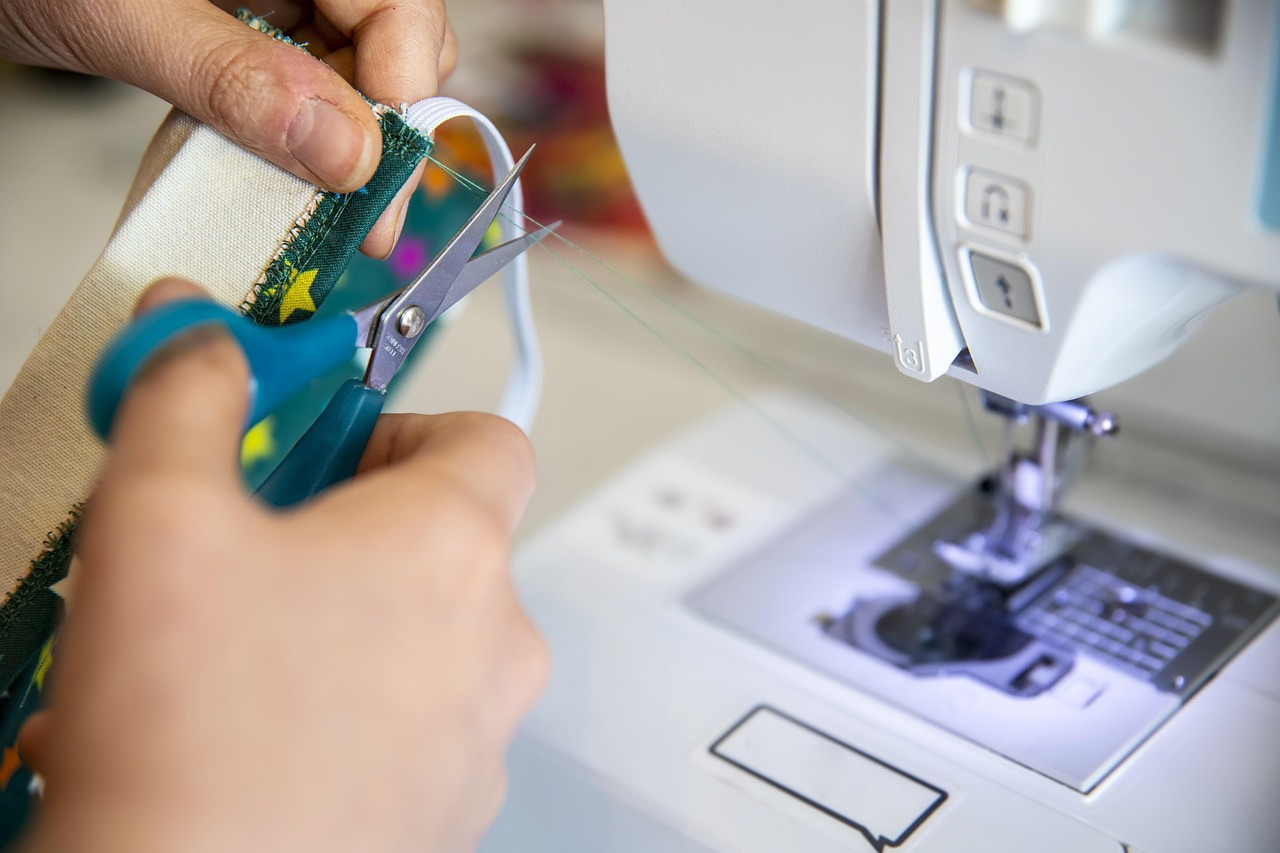
Representative image: CJMM / Pixabay
Leap 300 said on 4 November 2026 that programmes in Bihar, Punjab, UP and Haryana are using its AI-led model to support over 5 lakh rural women entrepreneurs.
What Happened
Leap 300, which runs an AI-led entrepreneurship programme for low-income rural women, said on Wednesday, 4 November 2026 that government programmes in Bihar, Punjab, Uttar Pradesh and Haryana are working with it to support more than 5 lakh rural women entrepreneurs. Women in the programme use the Leap 300 app to prepare business plans with an AI assistant, learn business skills through voice-based training and keep digital accounts, over a structured 300-day journey. In Uttar Pradesh, the collaboration runs through the state Planning Department's Zero Poverty Programme and targets 1 lakh households over three years. All the figures in this story are the company's own; no independent evaluation has been published.
Key Facts
- States: government programmes in Bihar, Punjab, Uttar Pradesh and Haryana, reaching more than 5 lakh women entrepreneurs, according to Leap 300.
- Uttar Pradesh: through the Planning Department's Zero Poverty Programme, 1 lakh households over three years, 50,000 of them in the first year.
- Punjab: a longer-term aim of supporting 1.5 lakh women entrepreneurs; under the credit-linked PEHEL programme, monthly loans processed rose from 4 to 25 per block, the company says.
- Haryana: a planned collaboration with the Haryana State Rural Livelihoods Mission for 1,200 women entrepreneurs over three years.
- Bihar: in the same blocks, about 60% of businesses under the wider JEEViKA livelihoods programme were livestock-based, against less than 1% in Leap 300's pilot, the company says.
- Results reported by the company as of September 2026: 87% of trained participants had used its AI assistant, AI Vyapar Mitra; 95% regularly recorded business accounts digitally; women with at least three months of records earned about 1.5 times their starting income; all loans had been repaid so far.
- Speed: the time to launch a business fell from about three months to 12 days, according to the company.
Why It Matters
For a woman in a village starting a small business, getting a loan is only the first step; turning it into steady income is harder. Leap 300's model tries to help with that through step-by-step planning, training in the local language by voice, and simple digital bookkeeping, using AI to give each woman advice that a field worker could not give to thousands at once.
The Bihar comparison points to one of the model's aims: helping women move beyond the most common rural business, livestock, into other trades. If fewer women crowd into the same line of work in the same village, each has a better chance of finding customers. The Uttar Pradesh link is also notable because it ties the programme to a state anti-poverty scheme with a household target and a timetable, rather than a one-off pilot.
The numbers need care. They come from the company, not from the state governments or an independent study, and the size of the groups behind percentages such as 87% and 95% has not been published. Loan repayment of 100% "to date" is an early figure for a programme still growing. The real test will be whether income gains last after the 300 days end, and whether the state targets are met.
Peepals calculation: The three state targets that are spelled out, 1 lakh households in Uttar Pradesh, 1.5 lakh women in Punjab and 1,200 in Haryana, add up to about 2.51 lakh (1,00,000 + 1,50,000 + 1,200 = 2,51,200), or roughly half of the 5 lakh headline figure. In Uttar Pradesh, after 50,000 households in the first year, the remaining 50,000 would be spread over two years, about 25,000 a year. A fall in launch time from about 90 days to 12 days is a cut of roughly 87% (1 − 12 ÷ 90 ≈ 0.87). Our calculation from the reported figures.
| State | Reported target or result |
|---|---|
| Uttar Pradesh | 1 lakh households over 3 years (50,000 in year one) |
| Punjab | 1.5 lakh women, longer term; loans per block from 4 to 25 a month |
| Haryana | 1,200 women over 3 years (planned) |
| Bihar | Under 1% of pilot businesses livestock-based, against about 60% nearby |
Impact
Short-term: Women in the four states' livelihood programmes may get app-based planning, training and bookkeeping support, and banks working with these programmes may see better-documented loan applications.
Long-term: If the reported income and repayment results hold at scale, other states could adopt similar AI-assisted support in their livelihood missions; if they do not, the model will need independent evidence before it spreads.
Who is affected: Low-income rural women starting or running small businesses in Bihar, Punjab, Uttar Pradesh and Haryana; self-help groups; state rural livelihood missions; and banks lending to small rural enterprises.
Key Takeaway
Leap 300 says government programmes in Bihar, Punjab, Uttar Pradesh and Haryana are using its AI-led 300-day model to support over 5 lakh rural women entrepreneurs, with Uttar Pradesh targeting 1 lakh households in three years.
Questions and Answers
What is Leap 300?
Leap 300 runs an AI-led entrepreneurship programme for low-income rural women. Its app helps women prepare business plans with an AI assistant, learn through voice-based training and keep digital accounts over a 300-day programme.
Which states are working with Leap 300?
According to the company, government programmes in Bihar, Punjab, Uttar Pradesh and Haryana. In Uttar Pradesh the work runs through the Planning Department's Zero Poverty Programme; in Haryana a collaboration with the State Rural Livelihoods Mission is planned.
How many women will the programme reach?
Leap 300 says more than 5 lakh women entrepreneurs. The stated state targets are 1 lakh households in Uttar Pradesh over three years, 1.5 lakh women in Punjab over the longer term and 1,200 in Haryana over three years.
Are the programme's results independently verified?
No. Figures such as 95% keeping digital accounts and incomes about 1.5 times higher come from Leap 300, and no independent evaluation has been published.
Disclaimer: Prepared by the Peepals newsroom from publicly available sources with AI assistance. Information is accurate to the best of our knowledge at the time of publication and may change. Images may be representative. Not professional advice. Report an error via our contact page.
By Meera Iyer, Governance & Policy EditorCovers Governance & Policy and more for Peepals Bharat. All stories by Meera Iyer
JioHotstar Bigg Boss 20 crosses 100 crore watch hours in under 60 days
Martin Garrix India tour 2027: 10 cities in March, tickets from November 18
Get the day's stories in your inbox
Peepals Weekly: the week decoded, free. One email a week, unsubscribe in one click.
Meera Iyer is a pen name of the Peepals Global Editorial Team, which researches, fact-checks and publishes every story. The portrait is an illustration.