
National SC-ST Hub office opens in Raipur to help SC, ST entrepreneurs
 By Aditi KulkarniStaff Writer, Peepals Bharat

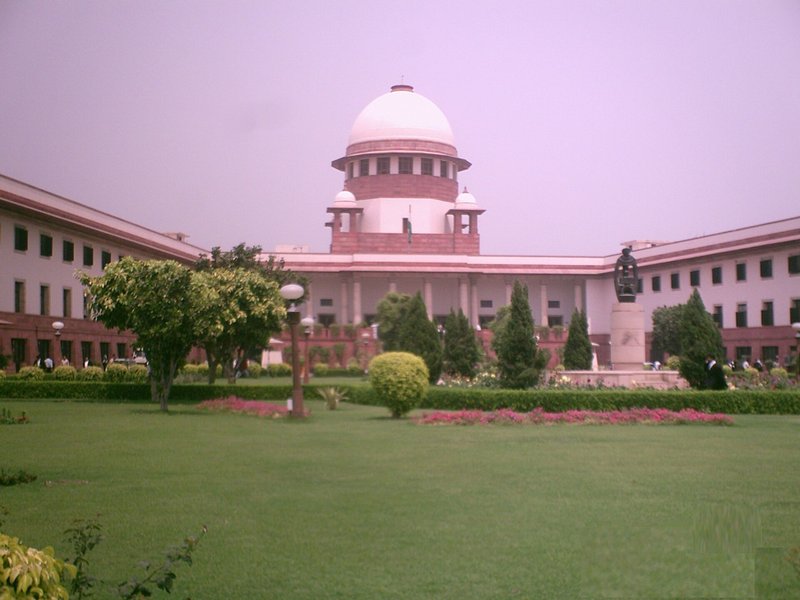
File photo: VishuN (CC BY-SA 4.0), via Wikimedia Commons
MSME Minister Jitan Ram Manjhi opened a National SC-ST Hub office in Raipur's Kachna on 28 November 2026 to guide SC and ST entrepreneurs into government buying.
National SC-ST Hub: what happened
Union Minister for Micro, Small and Medium Enterprises Jitan Ram Manjhi inaugurated a new office of the National SC-ST Hub (NSSH) at Kachna in Raipur, Chhattisgarh, on Saturday, 28 November 2026, and presided over a one-day National SC-ST Hub Conclave at the city's Pandit Deendayal Upadhyay Auditorium. According to the ministry's press release, the Raipur office will act as a facilitation centre giving handholding support, guidance and help to existing and aspiring entrepreneurs from Scheduled Castes and Scheduled Tribes, so that they can use the scheme and win more government orders.
National SC-ST Hub: key facts
- The new office is at Kachna, Raipur, and is meant to serve SC and ST entrepreneurs in Chhattisgarh.
- The conclave brought together SC and ST entrepreneurs, central public sector enterprises (CPSEs), banks, financial institutions, the Government e-Marketplace (GeM) and the state government.
- The Public Procurement Policy requires 4% of government purchases from micro and small enterprises (MSEs) to come from SC- and ST-owned firms, and 3% from women-owned MSEs, the ministry said.
- The 4% is a sub-target within the 25% of annual procurement that central ministries and CPSEs must buy from MSEs, according to the Hub's own guidance.
- Hub offices help with Udyam registration, enrolment on GeM, tender participation and access to credit.
- Speaking about the sector, Manjhi said India has more than 10.19 crore MSMEs, which employ over 40 crore people.
National SC-ST Hub: why it matters
The National SC-ST Hub was launched in 2016 as a central scheme of the MSME ministry, run through the National Small Industries Corporation (NSIC). Its purpose is to help entrepreneurs from SC and ST communities build businesses that can sell to the government, one of the country's largest buyers of goods and services. The procurement rule gives these firms a reserved share of central purchases, but a reserved share only helps if firms can register, find tenders, meet quality standards and arrange working capital in time.
That is the gap a local office is meant to close. Many first-generation entrepreneurs, especially outside big cities, struggle with the paperwork for Udyam registration, the process of listing products on GeM, and the conditions in tender documents. A facilitation centre in Raipur puts that help within reach of businesses across Chhattisgarh rather than requiring them to deal with distant offices.
The conclave format matters too. By bringing CPSEs, banks and GeM into the same room as entrepreneurs, the ministry is trying to connect would-be suppliers directly with buyers and lenders. For a small manufacturer or service firm, a single contract with a public sector company can mean steady orders for years.
There is also a credit side. Hub guidance describes support such as a capital subsidy for SC- and ST-owned MSEs that buy plant and machinery through institutional finance. Entrepreneurs who visit the new office can ask what applies to their business and how to apply.
Peepals calculation: If 25% of annual central procurement must come from micro and small enterprises and 4 percentage points of that is reserved for SC- and ST-owned firms, then for every Rs 100 crore that a ministry or CPSE spends, at least Rs 25 crore should go to MSEs and at least Rs 4 crore to SC- and ST-owned MSEs. Women-owned MSEs have a further Rs 3 crore share. Our calculation from the reported figures.
| Procurement rule | Share of annual central procurement |
|---|---|
| All micro and small enterprises | 25% |
| SC- and ST-owned MSEs (within the 25%) | 4% |
| Women-owned MSEs (within the 25%) | 3% |
National SC-ST Hub: impact
Short-term: SC and ST entrepreneurs in and around Raipur now have a nearby office for help with registration, GeM listing, tenders and finance. Businesses that attended the conclave have had a chance to meet CPSE buyers and bank officials directly.
Long-term: If the office helps more SC- and ST-owned firms win government orders, it could raise the share of procurement actually reaching them and build a stronger base of first-generation businesses in Chhattisgarh.
Who is affected: SC and ST entrepreneurs and would-be entrepreneurs in Chhattisgarh, central public sector enterprises and ministries that must meet procurement targets, banks lending to small firms, and the NSIC, which runs the scheme.
National SC-ST Hub: key takeaway
SC and ST business owners in Chhattisgarh who want government orders can now get local help in Raipur with Udyam registration, GeM listing and tenders to compete for the 4% procurement share.
National SC-ST Hub: questions and answers
What is the National SC-ST Hub?
It is a central scheme of the MSME ministry, launched in 2016 and run through the NSIC, that helps entrepreneurs from Scheduled Castes and Scheduled Tribes build businesses and win government contracts.
Where is the new office and what will it do?
It is at Kachna in Raipur, Chhattisgarh. It will give SC and ST entrepreneurs guidance and handholding on using the scheme and taking part in public procurement.
How much government buying is reserved for SC- and ST-owned firms?
Under the Public Procurement Policy, 4% of central procurement from micro and small enterprises must come from SC- and ST-owned firms, within an overall 25% target for MSEs.
What help can an entrepreneur get from a Hub office?
Hub offices assist with Udyam registration, enrolment on the Government e-Marketplace, taking part in tenders and access to credit.
Disclaimer: Prepared by the Peepals newsroom from publicly available sources with AI assistance. Information is accurate to the best of our knowledge at the time of publication and may change. Images may be representative. Not professional advice. Report an error via our contact page.
By Aditi Kulkarni, Staff WriterCovers Education and more for Peepals Bharat. All stories by Aditi Kulkarni
West Bengal teachers: aided-school staff to fill model school gaps, temporarily
Sivok-Rangpo rail line: all 14 tunnels dug as Tunnel 10 breaks through
Your week ahead, every Sunday. Free.
Exam and result dates, IPOs opening, scheme deadlines, government holidays and the RBI decision for the next 7 days, plus the week's top stories. One email a week, unsubscribe in one click.
Aditi Kulkarni is a pen name of the Peepals Global Editorial Team, which researches, fact-checks and publishes every story. The portrait is an illustration.
Responsible for this story: the Peepals Global Editorial Team. How we report