
Sivok-Rangpo rail line: all 14 tunnels dug as Tunnel 10 breaks through
 By Siddharth VermaStaff Writer, Peepals Bharat
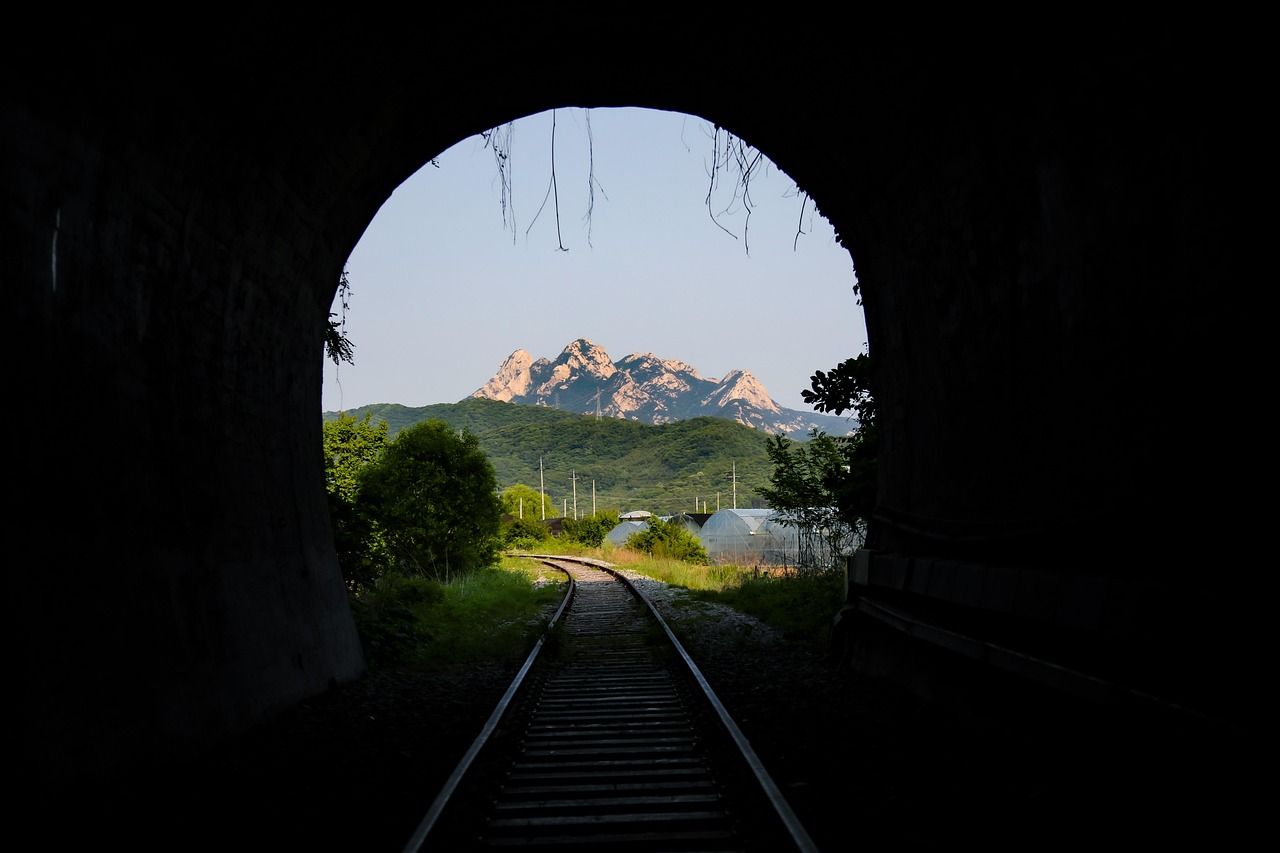
Representative image: KIMDAEJEUNG / Pixabay
Railways finished digging the 5.3-km Tunnel No. 10 on 27 November 2026, completing excavation of all 14 tunnels on the Sivok-Rangpo line to Sikkim.
Sivok-Rangpo rail line: what happened
Indian Railways completed excavation of Tunnel No. 10 on the Sivok-Rangpo new line on Friday, 27 November 2026, finishing the digging of all 14 tunnels on the project that will give Sikkim its first railway link. The 5.3-km tunnel is the longest on the route. In a statement released through the Press Information Bureau on 28 November, the Ministry of Railways said the two excavation fronts had now joined and that work on tunnel lining, track laying and safety systems would follow.
Sivok-Rangpo rail line: key facts
- Tunnel No. 10 is 5.3 km long, the longest of the 14 tunnels on the line.
- It was dug from both ends and through two access tunnels, which let crews work on several faces at once.
- Tunnels make up about 86% of the total route length of the roughly 45-km broad-gauge line.
- The line runs from Sivok in West Bengal to Rangpo in Sikkim, through Darjeeling and Kalimpong districts of West Bengal and Pakyong district of Sikkim.
- The project includes 23 bridges and will serve stations at Sivok, Riyang, Melli and Rangpo, with an underground halt at Teesta Bazaar.
- At Sivok it will join the existing New Jalpaiguri-Alipurduar route, connecting Sikkim to the national rail network.
Sivok-Rangpo rail line: why it matters
Sikkim is the only state in the country without a railway line today, and travellers reach it by road, usually from the railhead at New Jalpaiguri or the airport at Bagdogra in north Bengal. The road along the Teesta valley, the main route into the state, is regularly blocked by landslides in the monsoon, cutting off tourists, traders and residents for days at a time. A rail line through the mountains, rather than along the exposed slopes, is meant to give the state a more dependable link.
That is why tunnels make up most of the route. With about 86% of the line underground, trains will avoid much of the terrain that makes the road so vulnerable. Finishing the excavation of every tunnel removes the riskiest and slowest part of the construction work, since tunnelling is usually the slowest part of a mountain railway.
For travellers, the project points to a future in which a trip to Gangtok and the rest of Sikkim could start with a train journey from the plains to Rangpo, on the Sikkim border. Stations at Riyang, Melli and the underground halt at Teesta Bazaar will also serve towns along the Teesta and the Kalimpong hills, which are popular stops for visitors heading to Darjeeling, Kalimpong and Sikkim.
The work is not finished. The ministry's statement lists tunnel lining, track laying and the installation of signalling and other safety systems as the next steps. It does not give a date for the start of passenger services, and earlier target dates for the line have already passed.
Peepals calculation: If tunnels make up about 86% of a 45-km line, roughly 38.7 km of the route runs underground (45 × 0.86 = 38.7). Tunnel No. 10 alone, at 5.3 km, is about 12% of the whole route (5.3 ÷ 45 ≈ 0.118) and about 14% of all the tunnelled length (5.3 ÷ 38.7 ≈ 0.137). Our calculation from the reported figures.
| Feature | Figure |
|---|---|
| Route length | About 45 km |
| Tunnels | 14 (about 86% of the route) |
| Longest tunnel | Tunnel No. 10, 5.3 km |
| Bridges | 23 |
| Stations | Sivok, Riyang, Melli, Rangpo, plus Teesta Bazaar underground halt |
Sivok-Rangpo rail line: impact
Short-term: Construction now moves from digging to finishing work inside the tunnels and laying track. Nothing changes yet for travellers, who still reach Sikkim by road from New Jalpaiguri or Bagdogra.
Long-term: Once running, the line should give Sikkim an all-weather link that is far less exposed to landslides than the Teesta valley road, making tourism, supplies and travel for residents more reliable. It also adds a rail route in a strategically important border region.
Who is affected: Residents and businesses in Sikkim and the Kalimpong and Darjeeling hills, tourists bound for Gangtok and north Bengal's hill stations, transport operators on the Teesta valley road, and Indian Railways' Northeast Frontier zone.
Sivok-Rangpo rail line: key takeaway
Sikkim's first rail link has cleared its hardest engineering stage, but travellers should keep planning road journeys until the Railways announces a date for track completion and passenger services.
Sivok-Rangpo rail line: questions and answers
What is the Sivok-Rangpo rail line?
It is a roughly 45-km broad-gauge railway being built from Sivok in West Bengal to Rangpo in Sikkim, which will be Sikkim's first rail connection to the national network.
What happened on 27 November 2026?
Excavation of Tunnel No. 10, the longest tunnel on the line at 5.3 km, was completed, which means all 14 tunnels on the project have now been dug.
Which stations will be on the line?
Sivok, Riyang, Melli and Rangpo, with an underground halt at Teesta Bazaar.
When will trains start running to Sikkim?
The Ministry of Railways has not given a date. The next steps are tunnel lining, track laying and installing safety systems.
Disclaimer: Prepared by the Peepals newsroom from publicly available sources with AI assistance. Information is accurate to the best of our knowledge at the time of publication and may change. Images may be representative. Not professional advice. Report an error via our contact page.
By Siddharth Verma, Staff WriterCovers Business and more for Peepals Bharat. All stories by Siddharth Verma
National SC-ST Hub office opens in Raipur to help SC, ST entrepreneurs
Thiruparankundram Deepam lit under Supreme Court receivers; officials summoned
Your week ahead, every Sunday. Free.
Exam and result dates, IPOs opening, scheme deadlines, government holidays and the RBI decision for the next 7 days, plus the week's top stories. One email a week, unsubscribe in one click.
Siddharth Verma is a pen name of the Peepals Global Editorial Team, which researches, fact-checks and publishes every story. The portrait is an illustration.
Responsible for this story: the Peepals Global Editorial Team. How we report