
Thiruparankundram Deepam lit under Supreme Court receivers; officials summoned
 By Meera IyerGovernance & Policy Editor, Peepals Bharat
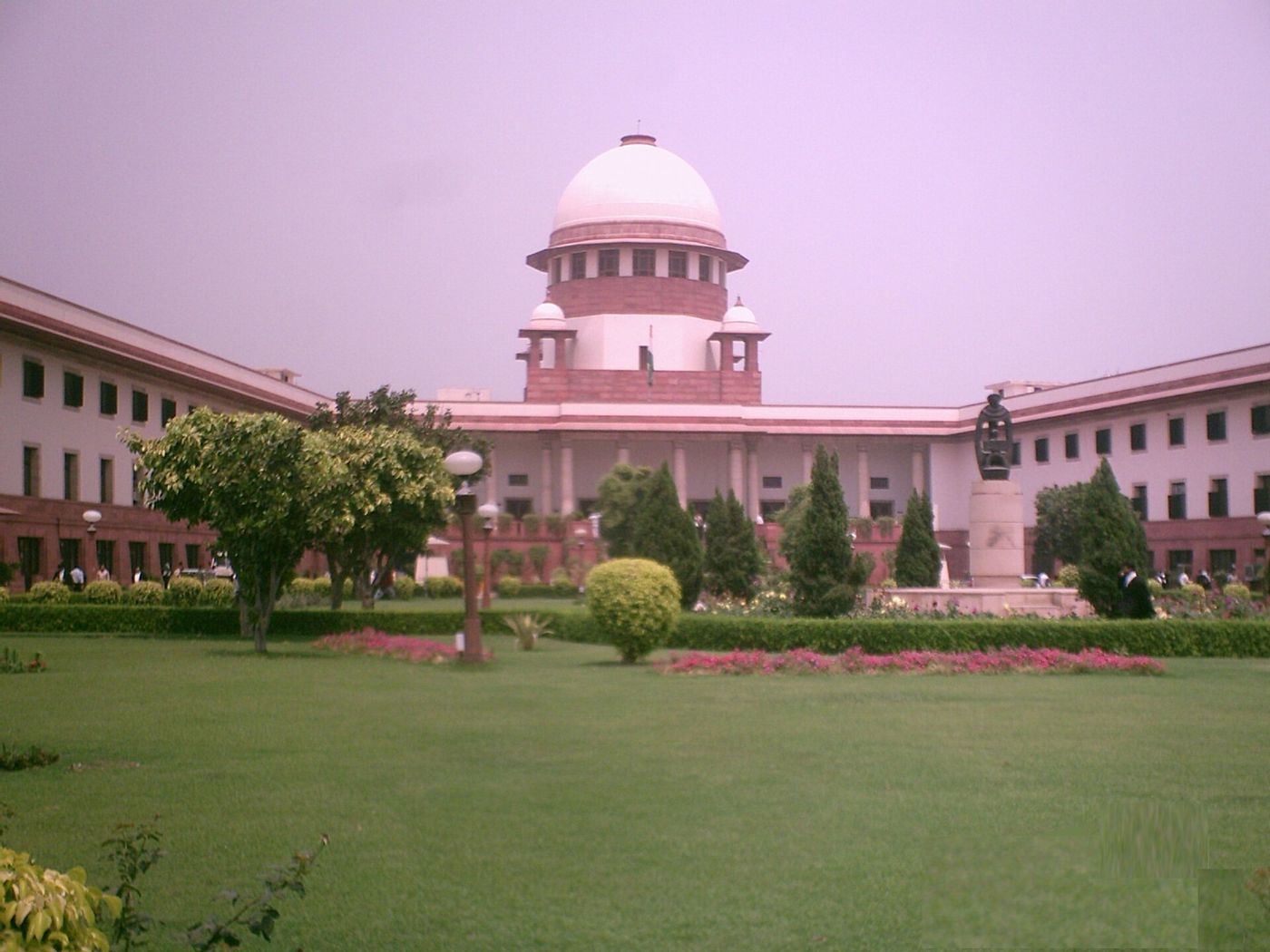
File photo: Legaleagle86 at English Wikipedia. (CC BY-SA 3.0), via Wikimedia Commons
The Karthigai Deepam was lit at Thiruparankundram's Deepathoon on 28 November 2026 after the Supreme Court named receivers and summoned officials for 15 December.
Deepam Controversy: what happened
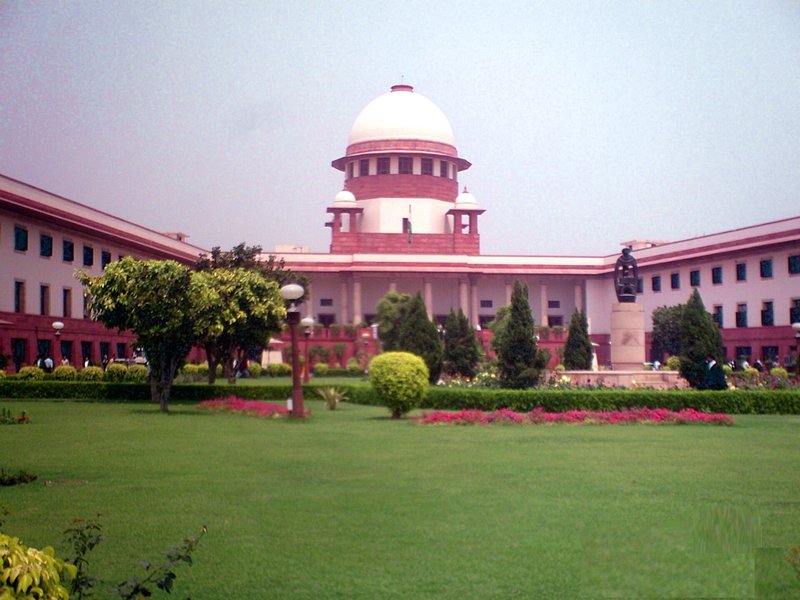
The Karthigai Deepam was lit at the Deepathoon stone pillar on Thiruparankundram hill in Madurai at about 5 pm on Saturday, 28 November 2026, under the supervision of two receivers appointed by the Supreme Court. A day earlier, on Friday, 27 November, the court had suspended the temple's board of trustees, named retired Madras High Court judges S. Vaidyanathan and V. Parthiban as receivers of the temple trust and directed that the lamp be lit on 28 November, after finding that its earlier order had not been carried out. The court also issued contempt notices to senior Tamil Nadu officials, who must appear in person on Tuesday, 15 December.
Deepam Controversy: key facts
- The Supreme Court's order of 20 November had allowed a one-time lighting of the lamp at the Deepathoon on 24 November; the lamp was not lit that day.
- On Wednesday, 25 November, the Tamil Nadu government told the court that the 20 November order could not be complied with.
- On 27 November the court took strong exception to the State and Madurai district officials for not complying, suspended the trustees and appointed the two receivers.
- The court placed the Central Reserve Police Force (CRPF) in charge of security and limited access to a single group of 50 devotees for the lighting.
- Those served with notices include the Chief Secretary, the Director General of Police, the Madurai District Collector and senior officials of the Hindu Religious and Charitable Endowments (HR&CE) department.
- Contempt petitions before the court allege that officials made a false claim of compliance before the Madras High Court; those pleas are still to be heard.
Deepam Controversy: why it matters
Our earlier report covered the Tamil Nadu government's attempt to have the Supreme Court review its order on the lamp. That route did not stop the order. Instead, the court moved to enforce it directly, by taking the temple trust out of the trustees' hands for now, appointing its own receivers and putting a central armed police force in charge of security for the ceremony.
Taking control of a temple's management through court-appointed receivers is an unusual step, and it shows how seriously the court viewed the failure to light the lamp on 24 November. For the State administration, the more lasting consequence is the contempt proceedings. The officials named are among the most senior in Tamil Nadu, and requiring them to appear in person signals that the court wants an explanation for why its order was not followed.
The case also matters beyond Madurai. It tests how far a State government can go in declining to carry out a Supreme Court order on grounds such as public order, and how the court responds when that happens. The outcome of the contempt hearing will shape how district administrations handle similar orders on religious sites in future.
For devotees, the immediate question has been answered: the lamp has been lit at the Deepathoon this year. But the questions about who runs the temple trust, how long the receivers stay in charge and what happens to the officials facing contempt notices remain open.
Peepals timeline: 20 November, the Supreme Court allows a one-time lighting at the Deepathoon on 24 November. 24 November, the lamp is not lit at the pillar. 25 November, the State tells the court the order could not be complied with. 27 November, the court suspends the trustees, appoints two receivers, orders lighting on 28 November and issues contempt notices. 28 November, the lamp is lit at about 5 pm, four days after the date first set. 15 December, the officials must appear in court, 17 days after the lighting.
Deepam Controversy: impact
Short-term: The receivers now run the temple trust in place of the suspended trustees, and the CRPF-led security arrangement covered the ceremony. Senior officials must prepare their response to the contempt notices.
Long-term: The contempt hearing could lead to findings against senior officials and will set an example for how State authorities treat Supreme Court orders on religious and public-order disputes.
Who is affected: Devotees of the Thiruparankundram temple, the suspended trustees, the Tamil Nadu government and its senior officials, the HR&CE department, and residents of Madurai.
What to watch next: The officials served with notices must appear in person before the Supreme Court on 15 December 2026, when the contempt pleas are due to be taken up.
Deepam Controversy: key takeaway
The lamp has been lit, but the next turn in the Thiruparankundram case comes on 15 December, when Tamil Nadu's top officials must explain to the Supreme Court why its earlier order was not followed.
Deepam Controversy: questions and answers
Was the Karthigai Deepam lit at Thiruparankundram's Deepathoon?
Yes. It was lit at about 5 pm on Saturday, 28 November 2026, under the supervision of the two Supreme Court-appointed receivers, retired judges S. Vaidyanathan and V. Parthiban.
Why did the Supreme Court appoint receivers?
Because its order of 20 November, which allowed a one-time lighting on 24 November, was not carried out. On 27 November it suspended the temple's trustees and put the receivers in charge of the trust.
Which officials face contempt notices?
The Tamil Nadu Chief Secretary, the Director General of Police, the Madurai District Collector and senior HR&CE officials, who must appear in person on 15 December.
Who handled security for the lighting?
The Supreme Court placed the Central Reserve Police Force in charge and allowed access to one group of 50 devotees.
Disclaimer: Prepared by the Peepals newsroom from publicly available sources with AI assistance. Information is accurate to the best of our knowledge at the time of publication and may change. Images may be representative. Not professional advice. Report an error via our contact page.
By Meera Iyer, Governance & Policy EditorCovers Governance & Policy and more for Peepals Bharat. All stories by Meera Iyer
Sivok-Rangpo rail line: all 14 tunnels dug as Tunnel 10 breaks through
Karnataka teachers and voter roll duty: education department seeks SSR exemption
Your week ahead, every Sunday. Free.
Exam and result dates, IPOs opening, scheme deadlines, government holidays and the RBI decision for the next 7 days, plus the week's top stories. One email a week, unsubscribe in one click.
Meera Iyer is a pen name of the Peepals Global Editorial Team, which researches, fact-checks and publishes every story. The portrait is an illustration.
Responsible for this story: the Peepals Global Editorial Team. How we report