
Supreme Court orders Centre to form panel on unethical pharma marketing in 2 weeks
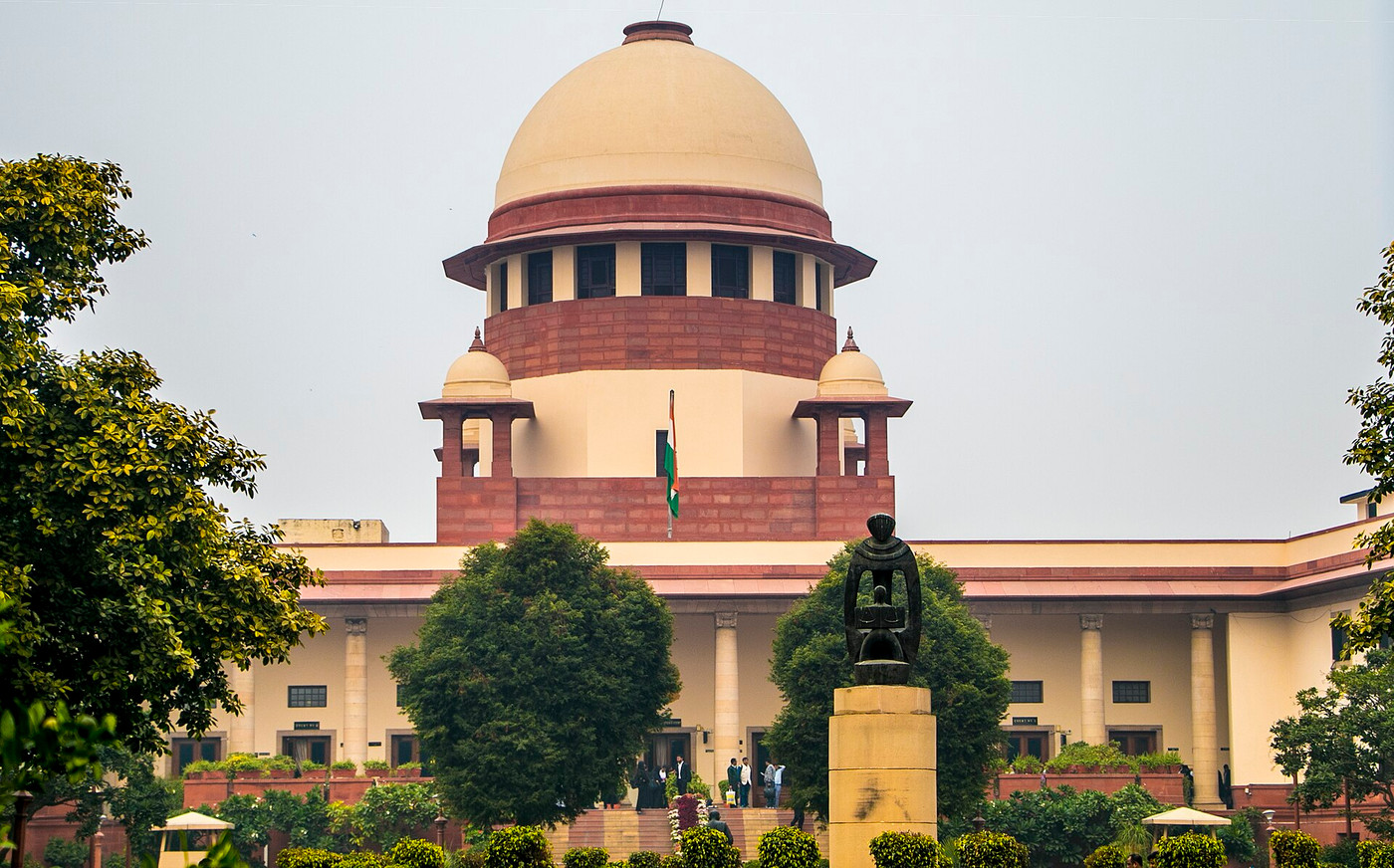
File photo: Subhashish Panigrahi (CC BY-SA 4.0), via Wikimedia Commons
The Supreme Court on October 8 directed the Centre to set up an expert committee within two weeks to examine curbs on unethical marketing by drug companies.
What Happened
The Supreme Court on Thursday, October 8, 2026, directed the Union government to set up an expert committee to examine how unethical marketing by pharmaceutical companies can be checked. A bench of Justices Vikram Nath and Sandeep Mehta said the committee, if not already constituted, must be formed within two weeks and must submit its recommendations to the Centre within two months of its first meeting. The order came on a petition by the Federation of Medical and Sales Representatives' Associations of India (FMRAI), which has asked for pharma marketing to be regulated by law rather than by a voluntary code. The court listed the case again for January 29, when it will consider the government's compliance affidavit.
Key Facts
- Date of order: October 8, 2026; bench of Justices Vikram Nath and Sandeep Mehta.
- Petitioner: the Federation of Medical and Sales Representatives' Associations of India (FMRAI).
- The committee must be formed within two weeks if it does not already exist.
- It must give its recommendations to the Centre within two months of its first meeting.
- It will examine whether the current statutory and regulatory framework is adequate, and how monitoring, oversight and enforcement work.
- The Centre had told the court that the Uniform Code for Pharmaceutical Marketing Practices (UCPMP), 2024, was working satisfactorily, while also acknowledging a gap in giving the framework legal force over drug companies.
- The matter will next be heard on January 29 to review the Centre's compliance.
Why It Matters
How medicines are promoted to doctors directly affects what patients are prescribed and how much they pay. Concerns have long been raised in India about drug companies offering doctors freebies and other benefits to push their brands. The current rules on this, the UCPMP 2024, are a government code rather than a law, and the core complaint of the petitioners is that a code cannot be enforced against companies in the same way a law can.
The court's order does not itself make new rules. What it does is set a firm timetable for the government to look at the problem with experts and report back. By asking the committee to examine not just the rules but also how they are monitored and enforced, the bench has signalled that it wants to know whether the present system actually works in practice, not just on paper.
The government's own position contains a tension the court has now asked it to resolve. It has defended the 2024 code as functioning well, yet it has also accepted that the code lacks a statutory basis that would bind pharmaceutical companies. The committee's report is likely to be the starting point for any decision on whether to turn the code into law or strengthen it in other ways.
For patients, the issue is about trust and cost. Prescriptions influenced by marketing rather than medical need can push people towards costlier brands when cheaper equivalents exist. Clearer, enforceable limits on what companies can offer doctors would make that influence easier to police.
| Step | Deadline set by the court |
|---|---|
| Form the expert committee (if not already done) | Within two weeks of October 8 |
| Submit recommendations to the Centre | Within two months of first meeting |
| Next hearing on compliance | January 29 |
Impact
Short-term: The Union government has to constitute the committee, or confirm that it exists, within two weeks, and start a review of the UCPMP 2024 and its enforcement.
Long-term: The committee's recommendations could lead to a legally binding regime for pharma marketing, with clearer penalties for companies that offer improper benefits to doctors.
Who is affected: Pharmaceutical companies and their sales teams, doctors and medical associations, drug regulators, and patients who pay for prescribed medicines.
Key Takeaway
The Supreme Court has given the Centre two weeks to set up an expert committee on unethical drug marketing and two months after its first meeting to report, moving the long-running push for enforceable rules a step forward.
Questions and Answers
What did the Supreme Court order on pharma marketing?
On October 8, 2026, it directed the Centre to set up an expert committee within two weeks, if one does not already exist, to examine the rules and enforcement on unethical marketing by drug companies, and to report within two months of its first meeting.
Who filed the case?
The Federation of Medical and Sales Representatives' Associations of India (FMRAI), which wants pharma marketing to be regulated by law.
What is the UCPMP 2024?
It is the Uniform Code for Pharmaceutical Marketing Practices, 2024, the government's current code on how drug companies may promote medicines. The Centre says it works well but has accepted it lacks statutory force over companies.
When will the court hear the case again?
On January 29, when it will examine the compliance affidavit filed by the Union government.
Disclaimer: Prepared by the Peepals newsroom from publicly available sources with AI assistance. Information is accurate to the best of our knowledge at the time of publication and may change. Images may be representative. Not professional advice. Report an error via our contact page.
Sourced and fact-checked by the Peepals Global Editorial Team
CEA Nageswaran urges RBI to rethink 90-day bad-loan rule for small businesses
UP clears startup procurement scheme with e-marketplace for government orders
Reported, fact-checked and published by the Peepals Global Editorial Team.