
Tirthakshetra Circuit: Bengal plans Rs 1,000 crore temple restoration over two years
 By Meera IyerGovernance & Policy Editor, Peepals Bharat
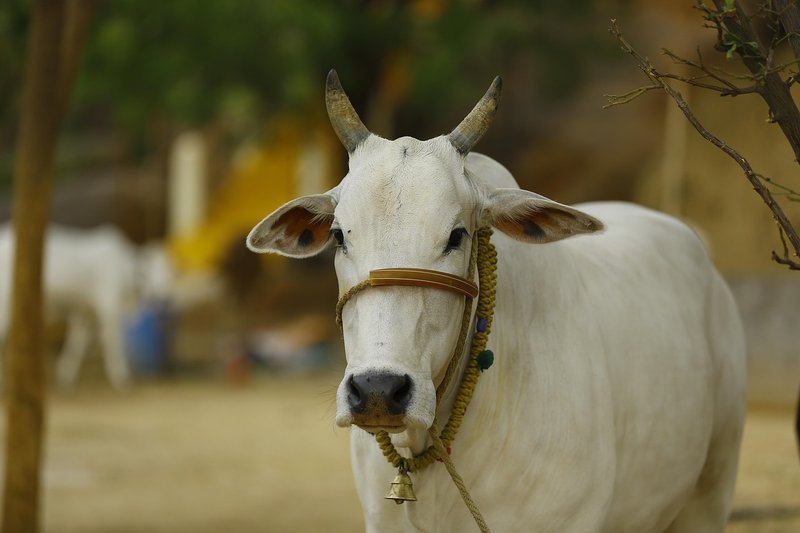
Representative image: ignartonosbg / Pixabay
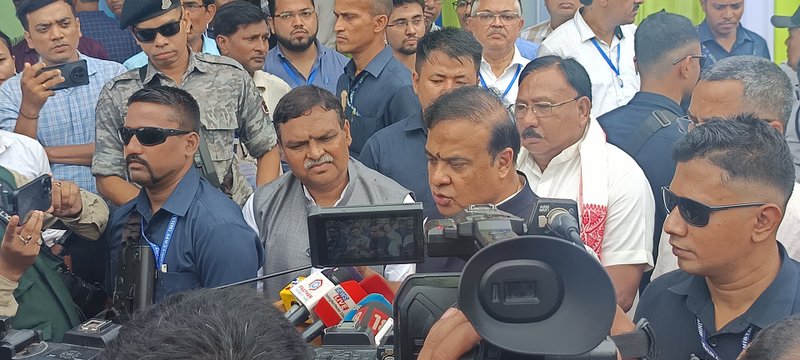
West Bengal CM Suvendu Adhikari said on 6 November 2026 the state will spend Rs 1,000 crore in two years to restore temples and monasteries on a pilgrimage circuit.
What Happened
West Bengal Chief Minister Suvendu Adhikari announced on Friday, 6 November 2026, that the state will spend Rs 1,000 crore over the next two years to renovate and restore ancient temples and monasteries under a proposed "Tirthakshetra Circuit", or pilgrimage circuit. He made the announcement while inaugurating a Kali Puja at Aranghata in the Ranaghat area of Nadia district. Places that have figured in the proposed circuit include Mayapur, Nabadwip, Tarapith, Tarakeswar, Kalighat, Dakshineswar and the Madan Mohan Jiu temple in Cooch Behar.
Key Facts
- Amount: Rs 1,000 crore over two years, for the renovation and restoration of ancient temples and monasteries across the state.
- Name: the project is called the Tirthakshetra Circuit; some reports also write it as Tirtha Kshetra Circuit or Pilgrimage Circuit.
- Where it was announced: at a Kali Puja inauguration in Aranghata, Ranaghat, Nadia district, on 6 November 2026.
- What it covers: ancient temples and monasteries on debottar properties, meaning land and buildings dedicated to a deity, as well as those managed by trusts and public organisations.
- What it leaves out: one report says privately owned properties will not be covered.
- Sites mentioned: Mayapur, Nabadwip, Tarapith, Tarakeswar, Kalighat, Dakshineswar and Cooch Behar's Madan Mohan Jiu temple.
- Comparison drawn: the Chief Minister referred to the Centre's redevelopment work at Kedarnath, Badrinath, Ayodhya, Kashi Vishwanath in Varanasi and the Mahakaleshwar temple in Ujjain.
Why It Matters
The plan treats Bengal's temples as a travel destination as well as a matter of faith. The names on the list, from Mayapur and Nabadwip in Nadia to Kalighat and Dakshineswar in the Kolkata area and the Madan Mohan Jiu temple in Cooch Behar in the north, are spread across the length of the state, so a single circuit would take pilgrims through several districts. The focus on debottar property matters because such property is held in the name of a deity, and its upkeep depends on the trusts or bodies that manage it. The Chief Minister said Bengal's ancient religious institutions would get a fresh lease of life through planned restoration and infrastructure development.
The comparison with Kedarnath, Ayodhya, Kashi Vishwanath and Ujjain shows the model the state has in mind. Those projects went beyond the shrines themselves to the approaches and facilities around them. A circuit approach, which links several sites into one itinerary, is meant to keep travellers in a region for longer and spread spending across towns rather than one temple.
For now, the plan is an announcement. The reports differ on how the money will be handled: one describes it as a Rs 1,000 crore corpus, while others describe it as direct spending over two years. A list of the exact sites, the work to be done at each, and the agency in charge has not been published. Those details will decide how quickly visitors see a difference on the ground.
Peepals calculation: Rs 1,000 crore spread over two years works out to an average of Rs 500 crore a year, or about Rs 41.7 crore a month (1,000 / 24 = 41.7). Our calculation from the reported figures.
Impact
Short-term: Nothing changes for visitors yet. The announcement starts the planning stage, in which the state will need to identify the temples and monasteries, assess their condition and decide on the work.
Long-term: If the money is spent as announced, restored temples, better roads and visitor facilities could make Bengal's pilgrimage towns easier to visit and bring more tourists, which would support local hotels, transport operators, flower and sweet sellers and craft workers. Restoration of ancient structures also needs care to preserve their original character.
Who is affected: Pilgrims and tourists visiting Bengal's temple towns; trusts and public bodies that manage temples and monasteries on debottar land; local businesses in places such as Mayapur, Nabadwip, Tarapith and Tarakeswar; and heritage conservation specialists who may be involved in the work.
Key Takeaway
West Bengal plans to spend Rs 1,000 crore over two years on a Tirthakshetra Circuit to restore ancient temples and monasteries, but the list of sites and the details of the work are yet to be announced.
Questions and Answers
What is the Tirthakshetra Circuit in West Bengal?
It is a proposed pilgrimage circuit announced by Chief Minister Suvendu Adhikari on 6 November 2026, under which the state plans to spend Rs 1,000 crore over two years to renovate and restore ancient temples and monasteries.
Which places are part of the Tirthakshetra Circuit?
Reports of the announcement name Mayapur, Nabadwip, Tarapith, Tarakeswar, Kalighat, Dakshineswar and the Madan Mohan Jiu temple in Cooch Behar. A final list of sites has not been published.
Will private temples get money under the scheme?
The project is meant for temples and monasteries on debottar property and those managed by trusts and public organisations. One report says privately owned properties will not be covered.
When will work begin?
No start date has been announced. The Chief Minister described a two-year spending period, but the agency, the site list and the work plan are still to be made public.
Disclaimer: Prepared by the Peepals newsroom from publicly available sources with AI assistance. Information is accurate to the best of our knowledge at the time of publication and may change. Images may be representative. Not professional advice. Report an error via our contact page.
By Meera Iyer, Governance & Policy EditorCovers Governance & Policy and more for Peepals Bharat. All stories by Meera Iyer
Seher Hone Ko Hai to end November 14; Colors brings Queen to 8:30 pm
Maharashtra co-op law change: five government nominees on big boards
Get the day's stories in your inbox
Peepals Weekly: the week decoded, free. One email a week, unsubscribe in one click.
Meera Iyer is a pen name of the Peepals Global Editorial Team, which researches, fact-checks and publishes every story. The portrait is an illustration.