
West Bengal Investment Promotion Policy 2026: up to 120% aid, 10 years
 By Siddharth VermaBusiness Correspondent, Peepals Bharat
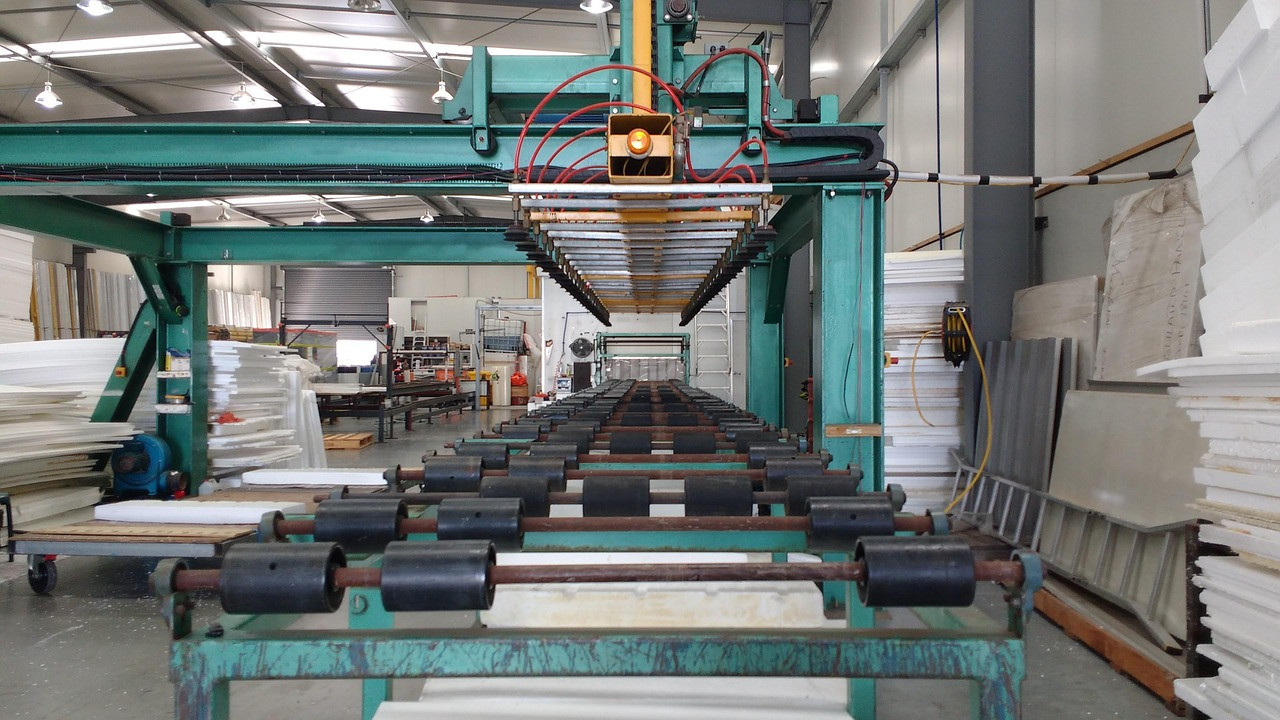
Representative image: CaptainAnonymous / Pixabay
West Bengal unveiled its Investment Promotion Policy 2026 on 5 November, offering thrust-sector units up to 120% aid on plant and machinery over 10 years.
What Happened
West Bengal Chief Minister Suvendu Adhikari unveiled the state's Investment Promotion Policy 2026 in Kolkata on Thursday, 5 November 2026. The policy's headline offer is financial assistance of up to 120% of eligible investment in plant and machinery for units in priority areas and thrust sectors, paid over a period of up to 10 years from the start of production or until a set ceiling is reached. Investments made on or after 9 May 2026, the day the present government took office, are eligible. Adhikari said the state is positioned to help bring in about Rs 1 lakh crore of fresh investment in the coming months.
Key Facts
- Policy: West Bengal Investment Promotion Policy 2026, unveiled Thursday, 5 November 2026, in Kolkata.
- Main incentive: up to 120% assistance on eligible plant and machinery investment for units in priority areas and thrust sectors.
- Payment period: up to 10 years from the start of commercial production, or until a financial ceiling is reached.
- Eligibility: new investment made on or after 9 May 2026.
- Sectors named in reports: semiconductors, electronics manufacturing, electric vehicles, green hydrogen, defence production, textiles, food processing, biotechnology and pharmaceuticals.
- MSME jobs incentive: 100% reimbursement of the employer's Employees' Provident Fund (EPF) contribution for women and transgender employees for 10 years.
- Other features reported: a single-window online clearance system and help with buying and developing land.
- Investment goal: about Rs 1 lakh crore of fresh investment, according to the Chief Minister.
Why It Matters
State industrial policies decide where many factories end up. Companies setting up a plant compare what each state offers on land, power, approvals and cash incentives, and a generous package can tilt the decision. For the government that took office in West Bengal on 9 May 2026, this policy sets out what it is prepared to pay investors.
The 120% figure needs careful reading. It does not mean the state hands over more than a company spends on day one. The assistance is linked to eligible investment in plant and machinery, is meant for priority areas and thrust sectors, and is spread over as long as 10 years after production starts, subject to a ceiling. In practice, such incentives are often paid back through reimbursements of state taxes or direct grants over time, so their value depends on the unit actually producing and paying taxes. The detailed conditions will be in the notified policy document.
The sector list shows where the state wants to compete: new-economy industries such as semiconductors, electric vehicles and green hydrogen, alongside traditional strengths such as textiles and food processing. The EPF reimbursement for women and transgender employees in small and medium firms is a targeted jobs measure. The provident fund is the retirement savings scheme to which employers contribute a share of salary; covering the employer's share for 10 years lowers the cost of hiring these workers and encourages formal jobs.
Reports also note an estimated Rs 50,000 crore of incentives promised under earlier state policies that remain unpaid, a backlog that investors will watch as a test of whether new promises will be honoured.
Peepals calculation: if a thrust-sector unit invests Rs 100 crore in eligible plant and machinery, the 120% ceiling allows total assistance of up to Rs 120 crore (100 × 1.20). Spread over the full 10 years, that is an average of up to Rs 12 crore a year (120 ÷ 10). The reported Rs 50,000 crore backlog from earlier policies equals half of the Rs 1 lakh crore of fresh investment the Chief Minister is aiming for (50,000 ÷ 1,00,000 = 0.5). Our calculation from the reported figures.
| Feature | What the policy offers |
|---|---|
| Plant and machinery assistance | Up to 120% for priority areas and thrust sectors |
| Period | Up to 10 years from production, or until the ceiling |
| Eligible investments | Made on or after 9 May 2026 |
| MSME workforce | 100% employer EPF reimbursement for women and transgender staff, 10 years |
| Approvals | Single-window online clearance |
Impact
Short-term: companies that have invested in West Bengal since 9 May 2026, or are planning to, can now see what support they may claim. State agencies will need to set up the systems to process applications and payments.
Long-term: if the incentives draw new plants in semiconductors, electric vehicles, defence and food processing, the state could gain manufacturing jobs and a broader industrial base. The policy's credibility will also depend on how quickly the government clears the older incentive dues.
Who is affected: manufacturers and investors considering West Bengal, MSMEs that employ women and transgender workers, job seekers in the state, industrial bodies, and neighbouring states competing for the same projects.
Key Takeaway
West Bengal's Investment Promotion Policy 2026 offers thrust-sector units up to 120% assistance on plant and machinery over 10 years, backdated to investments from 9 May 2026, as the state chases about Rs 1 lakh crore of new investment.
Questions and Answers
What is the West Bengal Investment Promotion Policy 2026?
It is the state's new industrial incentive policy, unveiled by Chief Minister Suvendu Adhikari on 5 November 2026, offering financial assistance, single-window clearances and land support to attract investment.
What does the 120% incentive in West Bengal's new policy mean?
Units in priority areas and thrust sectors can receive assistance of up to 120% of their eligible plant and machinery investment, paid over up to 10 years from the start of production or until a ceiling is reached.
Which investments qualify under the West Bengal policy?
New investments made on or after 9 May 2026, the date the current state government took office, are eligible.
What does the policy offer small businesses that hire women?
MSMEs get 100% reimbursement of the employer's EPF contribution for women and transgender employees for 10 years.
Disclaimer: Prepared by the Peepals newsroom from publicly available sources with AI assistance. Information is accurate to the best of our knowledge at the time of publication and may change. Images may be representative. Not professional advice. Report an error via our contact page.
By Siddharth Verma, Business CorrespondentCovers Business and more for Peepals Bharat. All stories by Siddharth Verma
CBSE date sheet 2027: Class 10 ends March 9, Class 12 runs to April 9
West Bengal homestay portal: only certified stays can use 'homestay' name
Get the day's stories in your inbox
Peepals Weekly: the week decoded, free. One email a week, unsubscribe in one click.
Siddharth Verma is a pen name of the Peepals Global Editorial Team, which researches, fact-checks and publishes every story. The portrait is an illustration.