
Cyclone Arnab: Andhra crop damage climbs to 3.5 lakh hectares
 By Neha KapoorEconomy Correspondent, Peepals Business
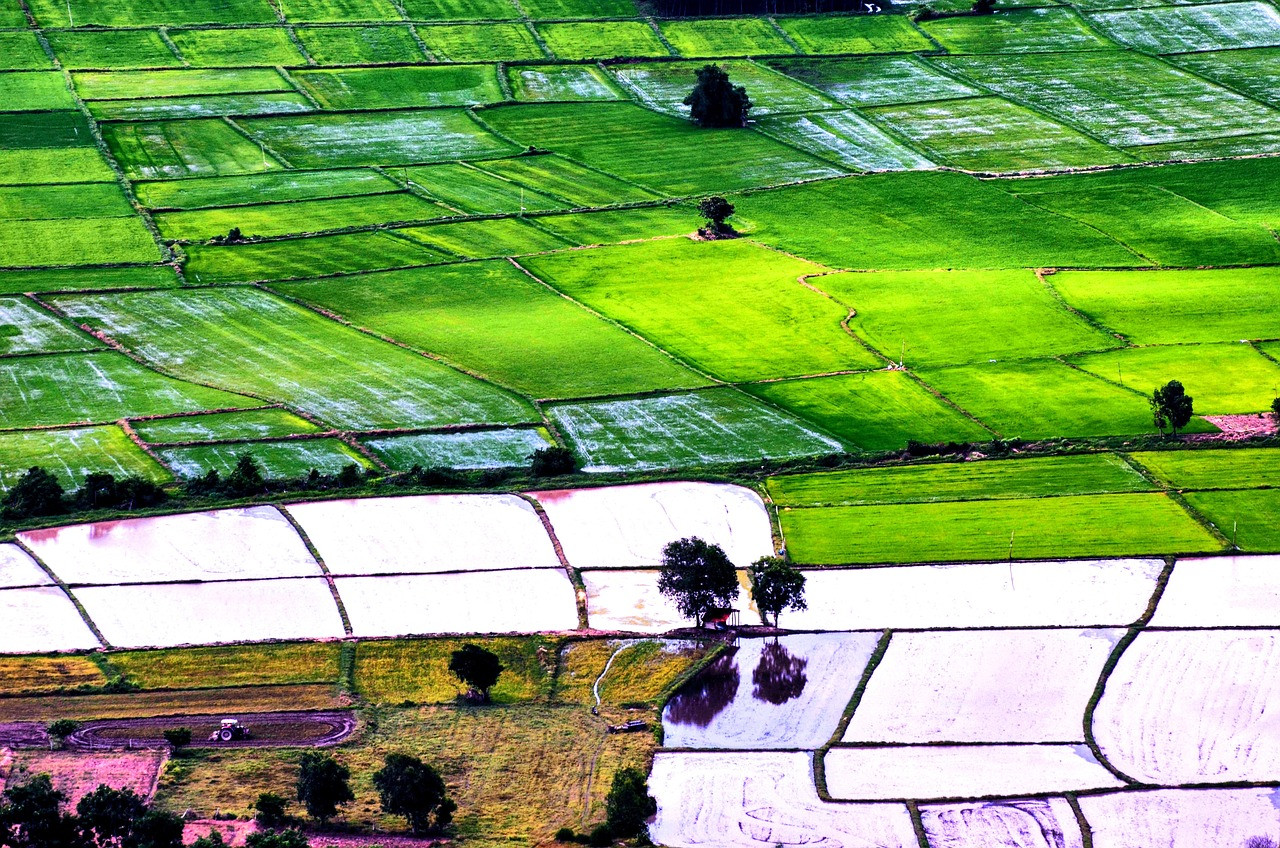
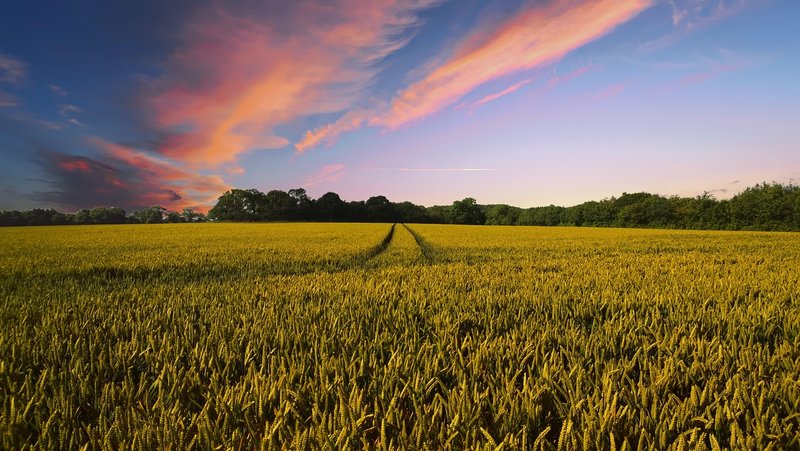
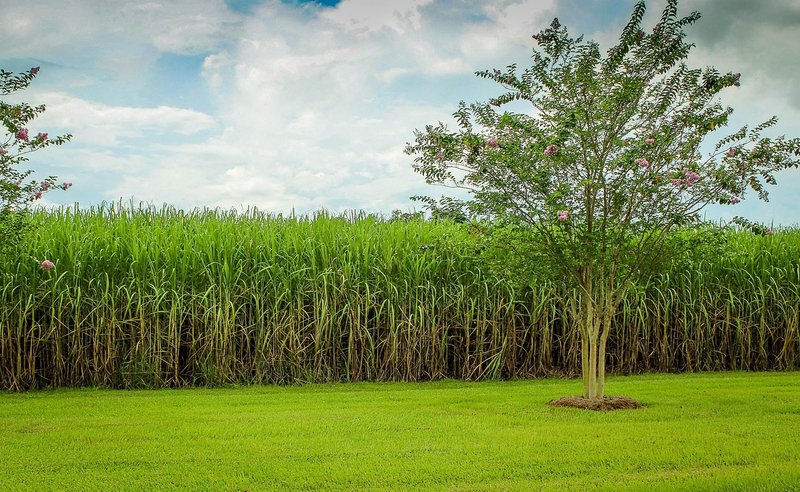
Representative image: huuvong / Pixabay
Andhra Pradesh puts Cyclone Arnab losses at about Rs 4,600 crore; preliminary crop damage rose to 3,51,662 hectares, the state said on October 29, 2026.
What Happened
Andhra Pradesh has put its preliminary losses from Cyclone Arnab at about Rs 4,600 crore, Chief Minister N. Chandrababu Naidu said, as fuller field reports showed crop damage on roughly 3.5 lakh hectares, about five times the 70,900 hectares reported in the first count. State Agriculture Minister K. Atchannaidu's preliminary assessment, reported on October 29, 2026, puts the damaged area at 3,51,662 hectares, with horticulture crops on about 22,457 hectares and aquaculture losses of Rs 176.82 crore. A detailed relief package for farmers was still awaiting a state Cabinet decision on October 29.
Key Facts
- Overall preliminary loss: about Rs 4,600 crore, according to the Chief Minister.
- Crop area damaged: 3,51,662 hectares in the Agriculture Minister's preliminary assessment; the first estimate after landfall was about 70,900 hectares, mainly paddy.
- Horticulture: about 22,457 hectares; aquaculture loss: Rs 176.82 crore.
- One preliminary estimate puts the number of farmers affected at about 5.7 lakh.
- Naidu said farmers are covered by the crop insurance scheme and will be compensated if yields fall because of the cyclone.
- The state has announced ex-gratia of Rs 5 lakh for the families of those who died; reports say the Centre has promised support.
Why It Matters
When a cyclone first crosses the coast, the early damage count covers only what officials can reach. As water drains and teams visit villages, the numbers usually rise. That is what has happened with Arnab, which made landfall near Kakinada and Yanam on October 28. The first count, about 70,900 hectares of mostly paddy, has grown to around 3.5 lakh hectares in the minister's assessment as reports from districts came in.
The timing makes the loss heavier. The kharif paddy crop in coastal Andhra Pradesh was close to harvest. Grain that was ready to be cut has been flattened or soaked, which lowers both the quantity and the quality farmers can sell. Horticulture growers face a different problem: banana, coconut and vegetable crops take months or years to re-establish, so a single storm can wipe out more than one season's income. Fish and prawn farmers, an important part of the coastal economy, have also reported losses.
The overall Rs 4,600 crore figure is the Chief Minister's state-wide preliminary estimate, not a count of farm losses alone. Different preliminary totals have circulated; the state's figures are expected to be firmed up as official assessments are completed and sent to the Centre, which decides on additional help from national disaster funds.
For farmers, three channels matter now: state input subsidy or compensation, which the Cabinet is yet to finalise; crop insurance claims, which depend on registered crops and the yield assessment; and any extra central assistance after inter-ministerial teams visit. Reports of the proposals under discussion show rates varying widely by crop, so final figures should be taken only from the government order.
| Measure | First estimate | Latest preliminary estimate |
|---|---|---|
| Crop area damaged | About 70,900 hectares (mainly paddy) | 3,51,662 hectares |
| Horticulture area | Over 10,450 hectares | About 22,457 hectares |
| Overall loss | Not given | About Rs 4,600 crore |
Impact
Short-term: Farmers must document damage for compensation and insurance claims while trying to salvage what grain they can. Paddy procurement and rice supplies in the affected districts may be disrupted.
Long-term: Repeated late-season cyclones raise the cost of farming on the coast and strengthen the case for better drainage, faster insurance settlement and crop varieties that can withstand lodging and flooding.
Who is affected: About 5.7 lakh farmers by one estimate, mostly paddy growers in coastal districts; horticulture and aquaculture producers; farm workers who depend on harvest wages; and rice millers and buyers in the region.
Key Takeaway
Cyclone Arnab's farm damage in Andhra Pradesh has grown from about 70,900 hectares to around 3.5 lakh hectares in preliminary estimates, with the state putting overall losses at about Rs 4,600 crore and a farmer relief package awaiting Cabinet approval.
Questions and Answers
How much damage did Cyclone Arnab cause in Andhra Pradesh?
Chief Minister N. Chandrababu Naidu put preliminary losses at about Rs 4,600 crore. The Agriculture Minister's preliminary assessment shows crops damaged on 3,51,662 hectares, horticulture on about 22,457 hectares and aquaculture losses of Rs 176.82 crore.
Will farmers get compensation for Cyclone Arnab crop loss?
A detailed relief package was awaiting a state Cabinet decision as of October 29, 2026. Naidu also said insured farmers will be compensated through the crop insurance scheme if their yields fall.
Why did the damage figure rise so sharply?
The first count, about 70,900 hectares, was made soon after landfall. Later field assessments covered more villages and crops, raising the preliminary total to about 3.5 lakh hectares.
Is the Centre helping?
Reports say the Centre has promised support. Additional central assistance usually follows an assessment by central teams, which the state has requested.
Disclaimer: Prepared by the Peepals newsroom from publicly available sources with AI assistance. Information is accurate to the best of our knowledge at the time of publication and may change. Images may be representative. Not professional advice. Report an error via our contact page.
By Neha Kapoor, Economy CorrespondentCovers Economy and more for Peepals Business. All stories by Neha Kapoor
Rice crosses Rs 100 a kg in Telangana; state warns hoarders
Nifty IT falls 1.5% as Anthropic's IPO filing revives AI fears
Get the day's stories in your inbox
Peepals Weekly: the week decoded, free. One email a week, unsubscribe in one click.
Neha Kapoor is a pen name of the Peepals Global Editorial Team, which researches, fact-checks and publishes every story. The portrait is an illustration.