
Cabinet clears Rs 7,395 crore PM Viksit Gram Swaraj Yojana for panchayats
 By Rohit SharmaMarkets Analyst, Peepals Business
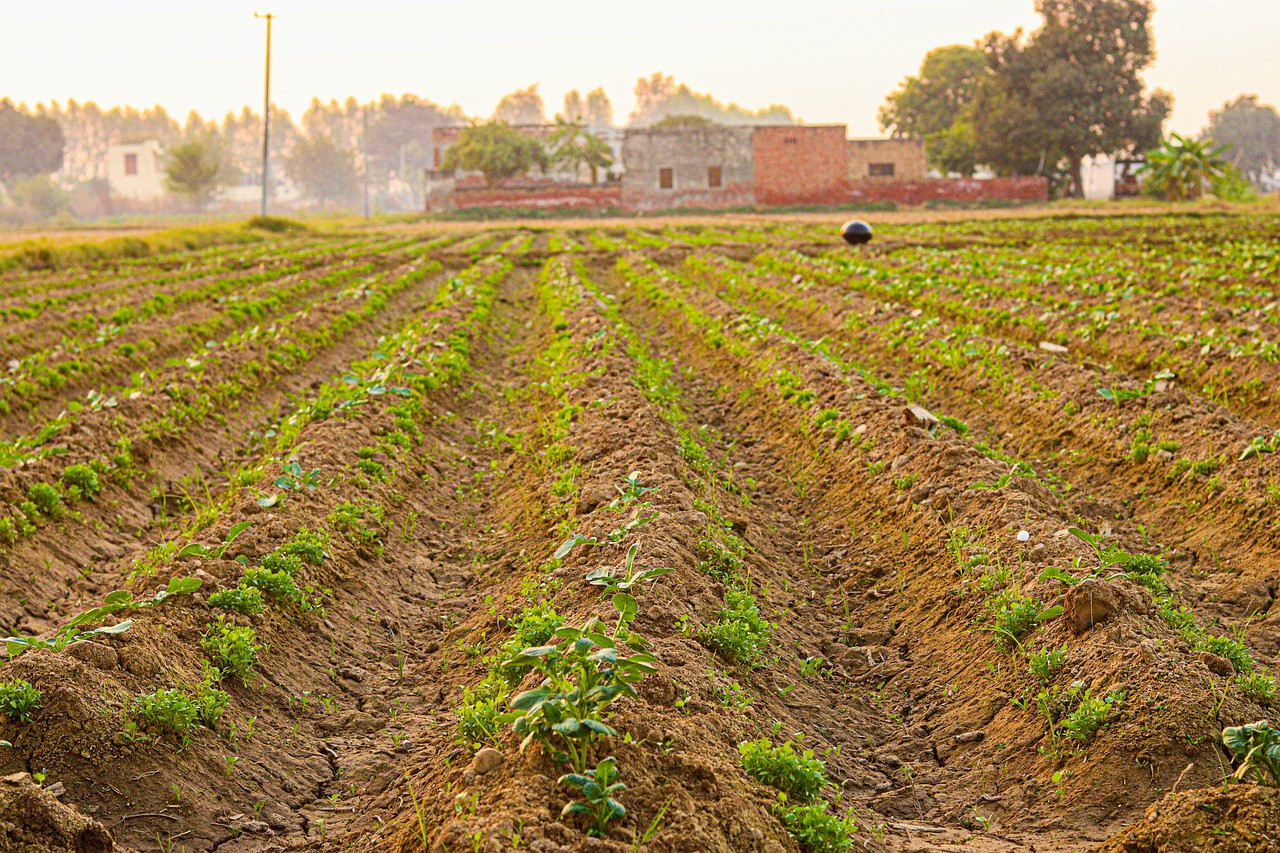
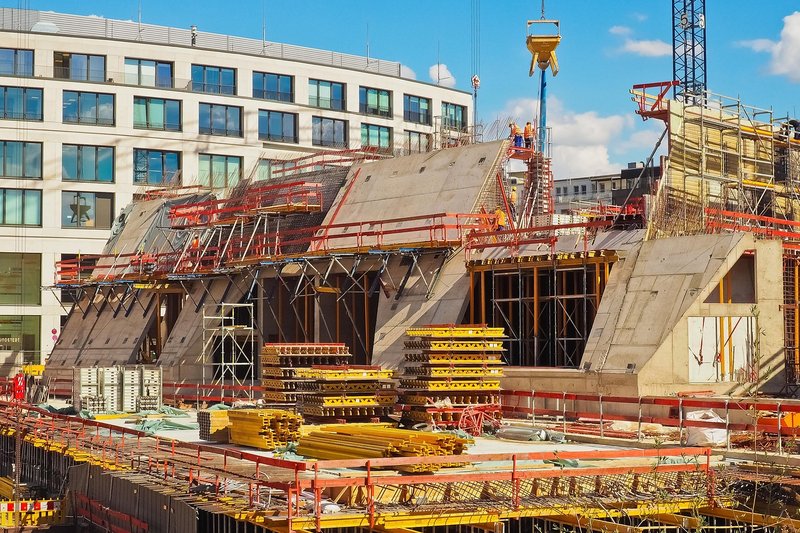
Representative image: SwastikArora / Pixabay
The Cabinet approved the Rs 7,395.55 crore PM Viksit Gram Swaraj Yojana on October 28, 2026 to help over 2.78 lakh rural bodies raise own revenue and plan works.
What Happened
The Union Cabinet on Wednesday, October 28, 2026, approved the Pradhan Mantri Viksit Gram Swaraj Yojana (PM VGSY), a Rs 7,395.55 crore scheme for 2026-27 to 2030-31 to make gram panchayats more self-reliant. Union Minister Ashwini Vaishnaw, briefing reporters, described it as a "paradigm change": a shift from schemes that tell villages what to do towards building local capacity and planning. The scheme covers more than 2.78 lakh rural local bodies and includes a push for panchayats to raise more of their own revenue.
Key Facts
- Scheme: Pradhan Mantri Viksit Gram Swaraj Yojana, a Centrally Sponsored Scheme.
- Period: five years, 2026-27 to 2030-31.
- Outlay: Rs 7,395.55 crore, with a central share of Rs 4,869.48 crore and a state share of Rs 2,526.07 crore.
- Reach: more than 2.78 lakh rural local bodies and traditional institutions, including bodies in areas outside Part IX of the Constitution, according to reports.
- Money of their own: a focus on panchayats' own-source revenue, along with better accounting, public disclosure and online audit support.
- Training: about 32 lakh elected representatives, panchayat staff and others to be trained and given digital support every year.
- Planning: support for about 2.55 lakh Gram Panchayat Development Plans every year through the eGramSwaraj platform.
- How it runs: states and Union Territories submit annual action plans to a Central Empowered Committee; no permanent posts will be created, though contractual technical staff may be hired.
Why It Matters
Gram panchayats are the elected councils that run India's villages. They look after local roads, drains, water supply, street lights and many other services, and they are often the first stop for a villager dealing with the government. Much of their money comes as grants from the Centre and the states. Own-source revenue (OSR) is the money a panchayat raises itself, through local taxes such as property tax, fees and user charges for services such as water or markets. When a panchayat raises more of its own money, it has more freedom to spend on what its people need and depends less on grants that arrive late or come with conditions.
For the rural economy, this matters in practical ways. A panchayat with steady income can maintain a village market, repair a drain before the monsoon or pay for a water pump, the kind of small works that affect farmers, traders and small businesses every day. The scheme's stress on accounting, public disclosure and audit is meant to build trust: villagers are more willing to pay local fees when they can see how the money is spent.
The training target is large. Around 32 lakh people a year, elected members and panchayat staff among them, are to be trained and given digital support. Many elected representatives come to office without experience of budgets, planning or online systems. The Gram Panchayat Development Plan is each village's yearly plan of works, and the scheme supports about 2.55 lakh of them a year on the eGramSwaraj online platform.
| Item | Figure |
|---|---|
| Total outlay | Rs 7,395.55 crore (2026-27 to 2030-31) |
| Central share | Rs 4,869.48 crore |
| State share | Rs 2,526.07 crore |
| Rural bodies covered | over 2.78 lakh |
| People trained each year | about 32 lakh |
| Village plans supported each year | about 2.55 lakh |
(Rs 4,869.48 crore plus Rs 2,526.07 crore equals Rs 7,395.55 crore.)
Impact
Short-term: States and Union Territories will prepare annual action plans for approval by the Central Empowered Committee, and training programmes for elected members and staff will be planned.
Long-term: If panchayats raise more of their own revenue and plan better, villages could get more reliable local services, and local government could depend less on grants from above.
Who is affected: Gram panchayats and their elected members and staff; villagers who use and pay for local services; farmers and small rural businesses that rely on village infrastructure; and state governments, which share the cost.
Key Takeaway
The Cabinet approved the Rs 7,395.55 crore Pradhan Mantri Viksit Gram Swaraj Yojana on October 28, 2026, to help more than 2.78 lakh rural bodies raise their own revenue, plan their works and train about 32 lakh people a year.
Questions and Answers
What is the Pradhan Mantri Viksit Gram Swaraj Yojana?
It is a Centrally Sponsored Scheme approved by the Union Cabinet on October 28, 2026, with an outlay of Rs 7,395.55 crore for 2026-27 to 2030-31, to make gram panchayats more self-reliant through capacity building, planning and better finances.
How much will the Centre and states spend on PM VGSY?
The central share is Rs 4,869.48 crore and the state share is Rs 2,526.07 crore, making Rs 7,395.55 crore over five years.
What is own-source revenue for a panchayat?
It is money a panchayat raises itself, such as local taxes, fees and user charges for services, rather than grants from the Centre or the state. The scheme aims to help panchayats raise more of it.
How many people will be trained under the scheme?
About 32 lakh elected representatives, panchayat functionaries and other stakeholders are to be trained and given digital support every year, according to details of the scheme.
Disclaimer: Prepared by the Peepals newsroom from publicly available sources with AI assistance. Information is accurate to the best of our knowledge at the time of publication and may change. Images may be representative. Not professional advice. Report an error via our contact page.
By Rohit Sharma, Markets AnalystCovers Markets Watch and more for Peepals Business. All stories by Rohit Sharma
Get the day's stories in your inbox
Peepals Weekly: the week decoded, free. One email a week, unsubscribe in one click.
Rohit Sharma is a pen name of the Peepals Global Editorial Team, which researches, fact-checks and publishes every story. The portrait is an illustration.