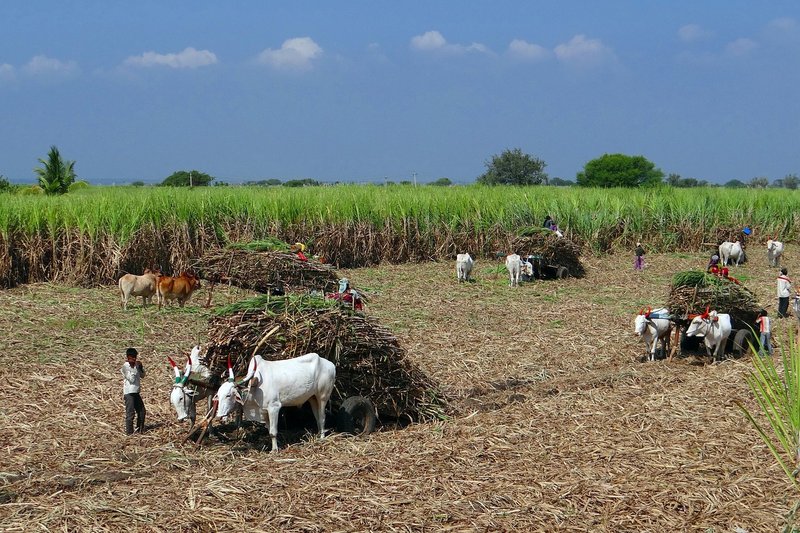
Unseasonal rain soaks unlifted paddy in Tohana, Gohana grain markets
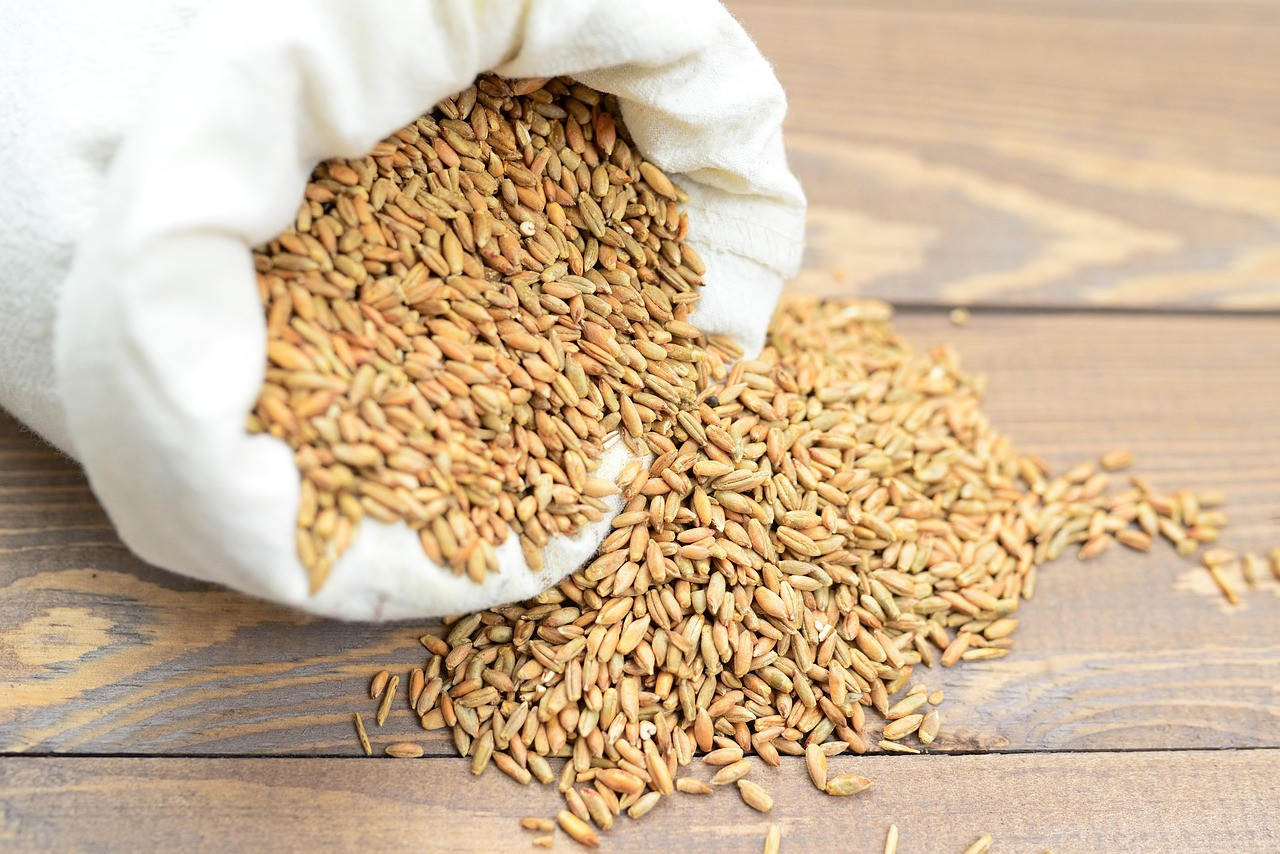
Representative image: congerdesign / Pixabay
Rain on 15 October 2026 soaked paddy lying unlifted in Haryana grain markets from Tohana to Gohana, days after about 10,000 quintals got wet in Sonipat mandis.
What Happened
Unseasonal rain on the morning of Thursday, 15 October 2026, soaked heaps and sacks of paddy (dhan) lying in the open at grain markets across Haryana, including Tohana, Fatehabad, Kurukshetra and Gohana in Sonipat district, at the peak of the harvest and procurement season. At Tohana's Additional Grain Market, sacks of paddy already bought by government procurement agencies got wet because they had not been lifted, and water stood across the market as tarpaulins blew away in several places. In Gohana, rainwater collected around piles of harvested crop, and farmers angry at being unable to sell their paddy staged a protest. The spell followed rain earlier in the week that soaked about 10,000 quintals of paddy in Sonipat's mandis, according to local reports.
Key Facts
- Rain on 15 October 2026 soaked paddy lying in the open at grain markets in Tohana, Fatehabad, Kurukshetra and Gohana.
- At Tohana, sacks of paddy bought by government agencies got wet because they had not yet been lifted from the market.
- In Gohana's grain market, water collected near the heaps of harvested crop, and farmers protested over delays in selling their paddy.
- Earlier in the week, Sonipat district received an average of 27 mm of rain, which flattened standing paddy in fields and soaked about 10,000 quintals in mandis, local reports said.
- One report put the paddy lying in Sonipat's mandi premises at about 30,000 quintals, with traders holding back purchases as moisture rose.
- Under mandi rules, protecting stored crop from rain is the responsibility of the commission agents (arhtiyas).
- Farmers are already pressing for the paddy moisture limit to be raised from 17% to 20% after the rain.
Why It Matters
For a paddy farmer, the weeks between harvest and sale are the riskiest of the season. Grain that sits in the open at a mandi can be damaged within hours by rain. Wet paddy also carries more moisture, and government procurement norms set a limit of 17% moisture for paddy bought at the minimum support price. Haryana Agriculture Minister Shyam Singh Rana has urged farmers to bring properly dried paddy because of that limit, while farmer groups have been demanding that the limit be relaxed to 20%.
The rain exposes a gap in the system that farmers have complained about for years: slow lifting. When agencies buy paddy but do not move it out of the market quickly, the sacks stay exposed to the weather. When traders slow down purchases, heaps pile up on the market floor. Both problems were visible this week.
Standing crop is also at risk. Strong winds and drizzle can flatten ripe paddy in the fields, making it harder to harvest by machine and reducing grain quality. With the crop ripe and harvesting under way, the timing could not be worse.
For the wider rural economy, delays and losses at this stage affect farmers' cash flow just before the festive season, when many families depend on crop payments for spending and for buying inputs for the next rabi crop.
| Item | Detail |
|---|---|
| Date of latest rain | 15 October 2026 |
| Markets affected | Tohana, Fatehabad, Kurukshetra, Gohana (Sonipat) |
| Paddy soaked in Sonipat mandis earlier this week | About 10,000 quintals |
| Moisture limit for procurement | 17% (farmers seek 20%) |
| Who must protect stored crop | Commission agents (arhtiyas) |
Impact
Short-term: Wet paddy will need drying before it can be sold, and more of it may fail moisture checks, slowing sales and adding to farmers' costs. Further rain or hail would worsen the damage.
Long-term: Repeated losses in mandis add pressure on the state to speed up lifting, provide covered storage at grain markets and review moisture norms after unseasonal rain.
Who is affected: Paddy farmers in Haryana, commission agents responsible for crop in the mandis, government procurement agencies and rice millers.
Key Takeaway
Thursday's unseasonal rain soaked unlifted paddy in Haryana's grain markets, adding to farmers' losses and strengthening their demand for faster lifting and relaxed moisture norms.
Questions and Answers
Where did rain damage paddy in Haryana's mandis on 15 October 2026?
Rain soaked paddy at grain markets in Tohana, Fatehabad, Kurukshetra and Gohana in Sonipat district, including sacks already bought by government agencies at Tohana that had not been lifted.
How much paddy was damaged in Sonipat this week?
Local reports said about 10,000 quintals of paddy got wet in Sonipat's mandis after rain earlier in the week, with around 30,000 quintals lying in the mandi premises.
Why does moisture matter for selling paddy?
Government procurement norms set a 17% moisture limit for paddy bought at the minimum support price. Wet paddy can exceed that limit, which is why farmers want it raised to 20% after rain.
Who is responsible for protecting paddy from rain in the mandi?
Under mandi rules, the commission agents, or arhtiyas, are responsible for protecting crop in the grain market from rain.
Disclaimer: Prepared by the Peepals newsroom from publicly available sources with AI assistance. Information is accurate to the best of our knowledge at the time of publication and may change. Images may be representative. Not professional advice. Report an error via our contact page.
Sourced and fact-checked by the Peepals Global Editorial Team
Mahindra XUV 3XO CNG launched at Rs 9.99 lakh, its first factory-fitted CNG SUV
BSE Sensex jumps 1,534 points to 74,316 as crude falls; Nifty at 3-week high
Reported, fact-checked and published by the Peepals Global Editorial Team.