Haryana suspends Indian Potash Limited's fertiliser sales over Sirsa DAP shortage
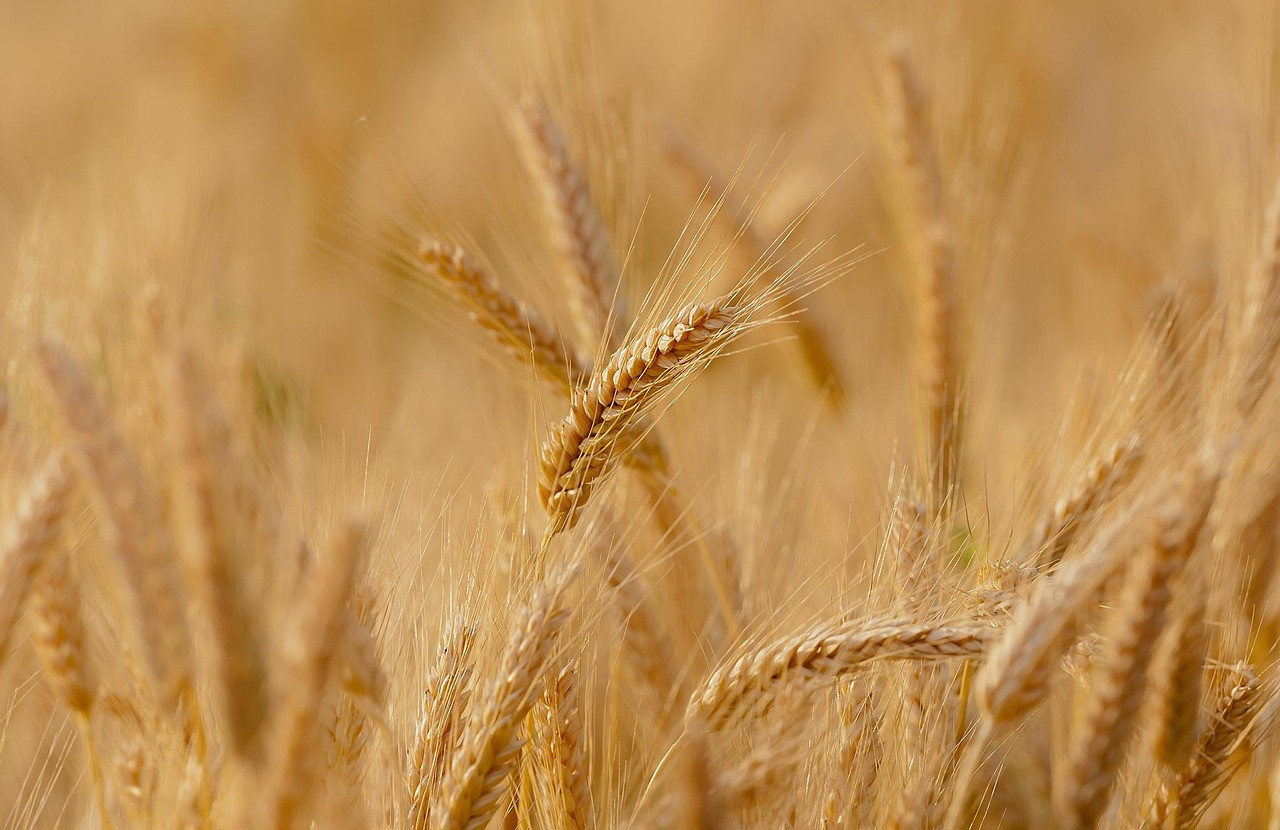
Representative image: Candiix / Pixabay
Haryana suspended Indian Potash Limited's non-subsidised fertiliser sales, saying its DAP rakes skipped Sirsa, where farmers queue for rabi sowing.
What Happened
Haryana's Agriculture Department has suspended Indian Potash Limited's authorisation to sell non-subsidised fertilisers in the state, after the company sent its DAP fertiliser rakes to Jhajjar and Jind instead of Sirsa and Satrod in Hisar, where officials had told it to deliver first. The order, issued by the department's director and notified authority Amit Khatri and reported on October 13 and 14, 2026, takes effect immediately and stays until further orders. It comes as farmers in Sirsa and Fatehabad queue for hours to buy di-ammonium phosphate (DAP) for rabi sowing.
Key Facts
- The department acted under Clause 31 of the Fertiliser (Control) Order, 1985, suspending the company's Memorandum of Acknowledgement for non-subsidised fertiliser sales.
- That permission was first granted on May 31, 2017, and was valid until June 30, 2030.
- Officials say Indian Potash Limited was told to prioritise DAP rakes for Sirsa and Satrod but placed them at Jhajjar and Jind, despite repeated warnings in the first week of October.
- The department says the diversion caused a significant delay in DAP supply to Sirsa.
- Sirsa needs about 45,000 tonnes of DAP for the rabi season; the first consignment of about 2,300 tonnes arrived only recently.
- Farmers blocked Dabwali Road for about 30 minutes, and token distribution at Sirsa's Kisan Bhawan was briefly halted before 400 extra tokens were issued.
Why It Matters
DAP is applied at sowing time, which is why demand peaks as rabi sowing begins. In Haryana's south-western districts, the window for sowing wheat and mustard is short. A farmer who cannot get DAP in time either sows late, which cuts yield, or buys at inflated prices from traders, which cuts income. That is why queues at cooperative outlets and Kisan Bhawans turn into protests so quickly in October.
The suspension is unusual because it hits a company's sales of fertilisers that are not subsidised, rather than DAP itself. It is a pressure tool: by stopping the more profitable non-subsidised business, the state is pushing the company to follow its delivery plan for the subsidised product farmers urgently need. The action was taken under the Fertiliser (Control) Order, the central rule that governs who can make, sell and distribute fertiliser in India.
The case also shows how a shortage can be partly a distribution problem. A rake is a full train load of fertiliser. Where it is unloaded decides which districts get supply first. If a rake goes to a district where demand is lower or sowing is later, the districts that need it now are left waiting, even when the state's overall stock looks adequate on paper.
The department says it is monitoring the availability of DAP and other fertilisers in Sirsa. Officials have not said when the suspension might be lifted.
| Item | Detail |
|---|---|
| Company | Indian Potash Limited |
| Action | Authorisation for non-subsidised fertiliser sales suspended |
| Legal basis | Clause 31, Fertiliser (Control) Order, 1985 |
| Reason | DAP rakes sent to Jhajjar and Jind instead of Sirsa and Satrod |
| Sirsa rabi DAP need | About 45,000 tonnes |
Impact
Short-term: Farmers in Sirsa and nearby districts should see more DAP if the company re-routes rakes as directed, but queues are likely to continue until enough supply reaches cooperative outlets. Sowing delays remain a risk.
Long-term: The case may push the state to watch rake allocation more closely in future seasons and to act faster against suppliers who do not follow district priorities.
Who is affected: Wheat and mustard farmers in Sirsa, Fatehabad and Hisar, cooperative societies and fertiliser dealers, Indian Potash Limited, and the state Agriculture Department.
Key Takeaway
Haryana has used its powers under the Fertiliser (Control) Order to suspend Indian Potash Limited's non-subsidised fertiliser sales, blaming the company's rake diversion for a DAP shortage that has left Sirsa farmers queuing at sowing time.
Questions and Answers
Why did Haryana act against Indian Potash Limited?
The Agriculture Department says the company sent DAP rakes to Jhajjar and Jind instead of Sirsa and Satrod in Hisar, which it had been told to prioritise, delaying supply to Sirsa despite repeated warnings in early October.
What exactly has been suspended?
The company's authorisation, known as the Memorandum of Acknowledgement, to sell non-subsidised fertilisers in Haryana, with immediate effect until further orders, under Clause 31 of the Fertiliser (Control) Order, 1985.
How much DAP does Sirsa need this rabi season?
About 45,000 tonnes, according to reports. The first consignment of about 2,300 tonnes arrived only recently.
Why is DAP so important at this time of year?
DAP is applied at sowing for rabi crops such as wheat and mustard. Delays push sowing back or force farmers to pay more to private traders.
Disclaimer: Prepared by the Peepals newsroom from publicly available sources with AI assistance. Information is accurate to the best of our knowledge at the time of publication and may change. Images may be representative. Not professional advice. Report an error via our contact page.
Sourced and fact-checked by the Peepals Global Editorial Team
Abby Care raises $82 million to pay family members as trained home caregivers
ServiceNow's AI Passport gives every AI agent an ID and an accountable owner
Reported, fact-checked and published by the Peepals Global Editorial Team.