
Warsh gives no October rate-hike signal; Fed hike odds drop to 15%
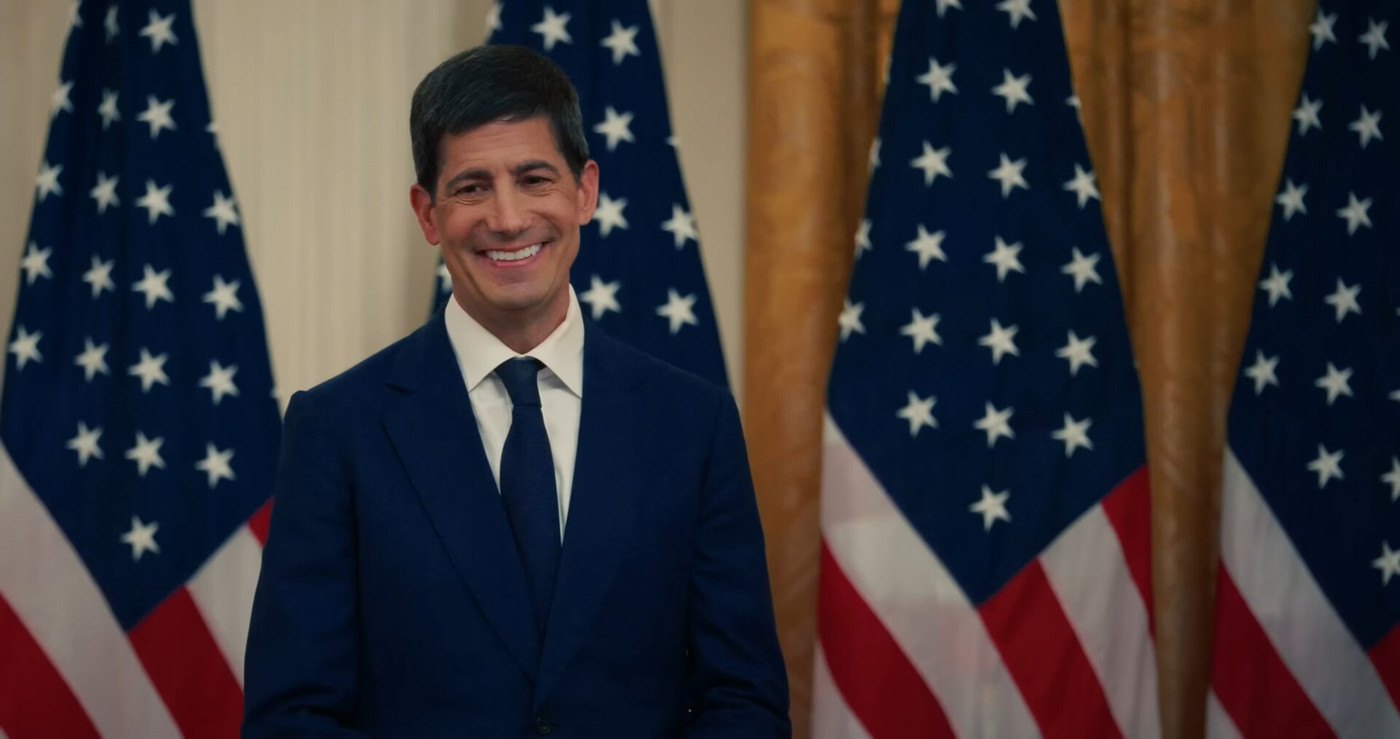
File photo: The White House (Public domain), via Wikimedia Commons
Fed Chair Kevin Warsh declined on October 16, 2026 to signal an October rate hike; market odds fell to about 15% but a December rise is still priced.
What Happened
US Federal Reserve Chair Kevin Warsh declined to say whether the central bank will raise interest rates again at its 27-28 October meeting, in remarks at the International Monetary Fund meetings in Bangkok on Friday, 16 October 2026. Warsh said price stability is central to the Fed's job but that he does not prejudge decisions before a meeting. After his comments, market bets on an October rate rise fell to around 15%, while traders continued to price a strong chance of a rise in December.
Key Facts
- Warsh spoke on 16 October 2026 at the IMF meetings in Bangkok.
- He would not commit to any decision ahead of the Fed's 27-28 October policy meeting.
- He described a "synchronous tightening in monetary policy in most places around the world", meaning many central banks raising rates at the same time.
- Futures markets had priced the chance of an October hike at about 54% after a hot US inflation report earlier in the week, up from 21%.
- After his remarks, those odds fell to roughly 14-15%, according to futures and prediction-market data reported by several outlets.
- Markets still saw a high chance, near 80-90% in different measures, of a quarter-point rise in December.
- The Fed raised rates in September for the first time in about three years; the minutes showed most officials expected another rise to be appropriate before the end of 2026.
Why It Matters
The Federal Reserve sets the benchmark cost of borrowing in the world's largest economy, and its decisions move money across every market. When the Fed raises rates, US savings and bonds pay more, and investors often move money out of riskier assets and emerging markets into dollars. That can weaken other currencies, including the rupee, and push up borrowing costs for companies and governments abroad.
Warsh's remarks matter because markets had swung sharply in the days before. A US inflation report earlier in the week showed prices rising faster than expected, and traders quickly raised their bets that the Fed would act again as soon as October. By refusing to signal a move, Warsh calmed that expectation without ruling anything out. The Fed's message, in effect, is that it will decide on the data, not on market pressure.
His reference to tightening in "most places around the world" is also significant. It suggests the Fed sees itself as part of a broad move by central banks to fight inflation, not acting alone. When several major economies raise rates together, global growth tends to slow, demand for exports weakens, and commodity prices can fall, all of which feed back into developing economies.
Warsh also spoke positively about the economic potential of artificial intelligence, while warning that the path would be "very bumpy". That view matters for markets where technology shares have become a large part of the value of stock indices.
| Market expectation | Before inflation report | After inflation report | After Warsh speech |
|---|---|---|---|
| Chance of October hike | About 21% | About 54% | About 14-15% |
| Chance of December hike | Not reported | High | Near 80-90% |
Impact
Short-term: Financial markets now expect the Fed to keep rates unchanged in October, and the US dollar softened against some currencies, according to market reports. The focus shifts to new US data before the 27-28 October meeting.
Long-term: If the Fed raises rates in December as markets expect, global borrowing costs will stay higher for longer. For India, that can mean pressure on the rupee, foreign investment flows and the Reserve Bank of India's own decisions.
Who is affected: Investors and traders worldwide; companies and governments that borrow in dollars; importers and exporters exposed to currency swings; and households, whose loan rates and savings returns are shaped by global interest rates.
Key Takeaway
Fed Chair Kevin Warsh gave no signal on an October rate hike, cutting market odds of one to about 15%, but traders still expect a rise in December.
Questions and Answers
What did Kevin Warsh say about interest rates?
Speaking at the IMF meetings in Bangkok on 16 October 2026, the Federal Reserve Chair said price stability is key but declined to signal whether the Fed would raise rates at its 27-28 October meeting, saying he does not prejudge decisions.
Will the Fed raise rates in October 2026?
The decision will be made at the 27-28 October meeting. After Warsh's remarks, futures and prediction markets put the chance of an October rise at about 14-15%, down from about 54% earlier in the week.
Is a Fed rate hike expected in December?
Markets think so. Different measures put the chance of a quarter-point rise in December at roughly 80-90%, and minutes of the September meeting showed most officials expected another rise before the end of 2026.
Why does a Fed decision matter to Indian readers?
Higher US interest rates can draw money out of emerging markets such as India, which can weaken the rupee and affect share prices, foreign investment and the Reserve Bank of India's choices on its own rates.
Disclaimer: Prepared by the Peepals newsroom from publicly available sources with AI assistance. Information is accurate to the best of our knowledge at the time of publication and may change. Images may be representative. Not professional advice. Report an error via our contact page.
Sourced and fact-checked by the Peepals Global Editorial Team
Promise Robotics to make robot-built panels for 1,250+ D.R. Horton homes
Stock market crash: Sensex falls 876 points as private banks, crude weigh
Reported, fact-checked and published by the Peepals Global Editorial Team.