
Promise Robotics to make robot-built panels for 1,250+ D.R. Horton homes
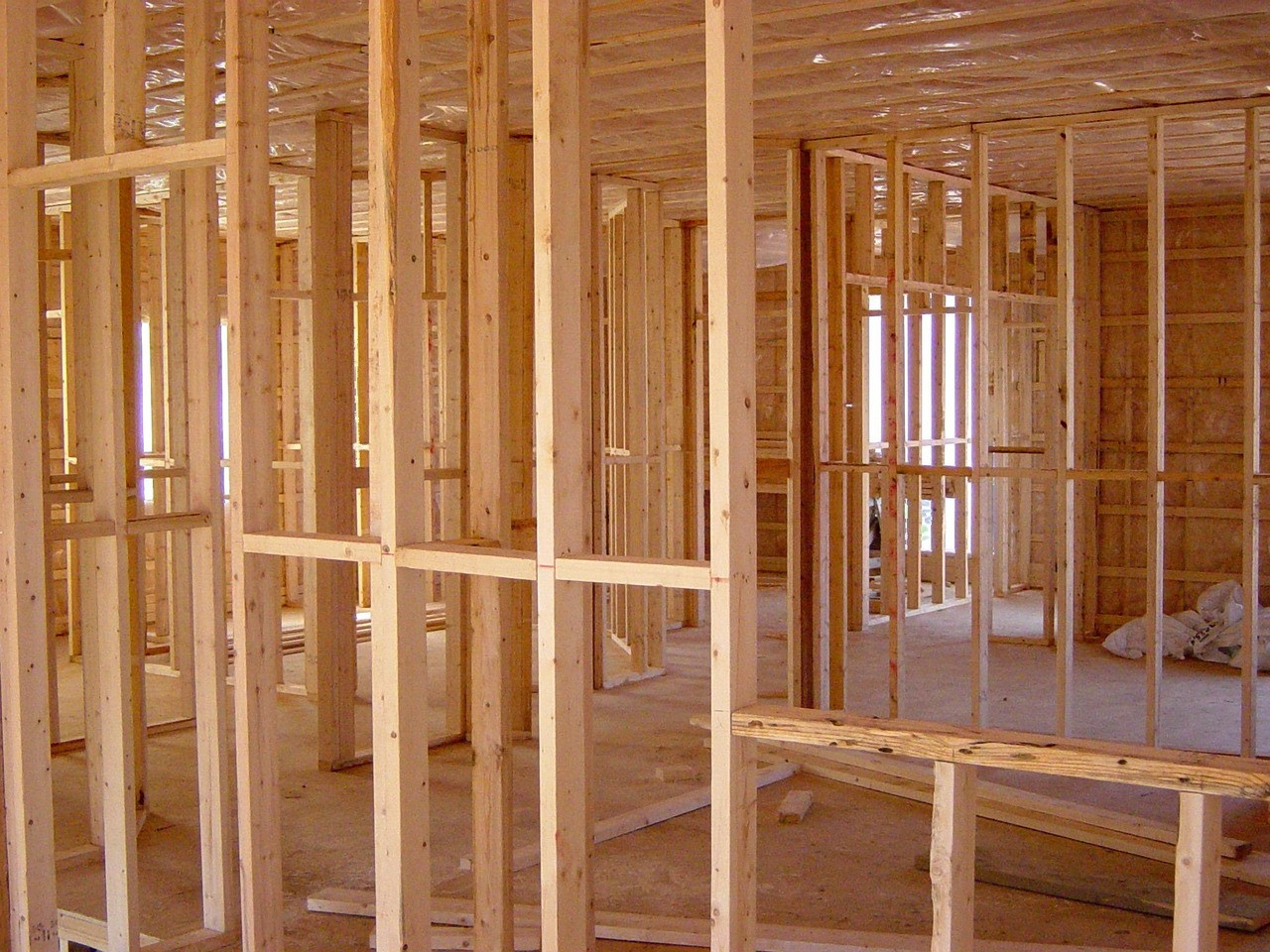
Representative image: PublicDomainPictures / Pixabay
Toronto's Promise Robotics signed a multi-year deal, reported October 14-17, 2026, to make robot-built panels for over 1,250 D.R. Horton homes from 2027.
What Happened
Promise Robotics, a Toronto-based start-up that uses robots and AI to make the parts of houses in a factory, has signed a multi-year agreement with US homebuilder D.R. Horton covering more than 1,250 homes, the companies said in an announcement reported between October 14 and October 17, 2026. Under the deal, Promise will run a robotic factory in the Phoenix, Arizona area and handle delivery of the finished parts to building sites, while D.R. Horton supplies the house designs. Reports say manufacturing is expected to begin in early 2027. D.R. Horton is described as the first major US homebuilder to adopt Promise's "Factory-as-a-Service" model, and the companies did not disclose the value of the contract.
Key Facts
- Parties: Promise Robotics (Toronto, Canada) and D.R. Horton (United States).
- Scope: a multi-year commitment covering more than 1,250 homes.
- Model: Factory-as-a-Service, in which Promise operates the factory and logistics and the builder provides designs.
- Product: robotically fabricated timber panels for largely single-storey homes, made off-site and trucked to building sites.
- Location: a new factory in the Phoenix metropolitan area, in Arizona.
- Timing: production planned to start in early 2027.
- Undisclosed: contract value, exact production dates and cost savings.
Why It Matters
House building is one of the least automated big industries in the world. Most homes are still framed by hand on site, exposed to weather, labour shortages and delays. Factory building, often called off-site or prefabricated construction, has been tried for decades, but many ventures failed because a factory needs steady, high volumes to pay for itself. Promise's pitch is that robots guided by AI software can switch between different house designs quickly, so one plant can serve a builder's whole range of homes rather than a single standard model.
The Factory-as-a-Service structure is the important business idea here. Instead of the homebuilder buying and running its own plant, Promise owns the robots and the factory and sells output, in this case wall panels, as a service. That lowers the upfront risk for the builder and gives the technology company a guaranteed flow of work. A commitment from a builder of D.R. Horton's size is a strong signal to other builders and to investors that robotic construction is moving from pilots to commercial scale.
The deal also fits a wider shift that industry calls physical AI: software that does not just analyse data but directs machines in the real world. Factories for cars and electronics have used robots for decades; construction is one of the next frontiers. For India, where housing demand is large, the model is worth watching, though Indian homes are built mainly with concrete and masonry rather than timber panels.
| Item | Detail |
|---|---|
| Builder | D.R. Horton |
| Technology partner | Promise Robotics |
| Homes covered | 1,250 plus |
| Factory | Phoenix area, Arizona |
| Start of production | Early 2027 (planned) |
Impact
Short-term: Promise will build out and equip its Phoenix-area factory over the coming months. The deal is a commitment to support future production, not 1,250 finished houses, so the real test comes once panels start rolling off the line in 2027.
Long-term: If robot-made panels prove cheaper, faster or more consistent than site framing, other large builders may sign similar service deals, and the factory model could spread to more regions. Success would also shift construction jobs from building sites to factories, needing more technicians and fewer framing crews.
Who is affected: Home buyers in the Phoenix area, who may see houses built with factory-made panels; construction workers and framing contractors; other homebuilders weighing automation; and robotics and construction-technology investors looking for proof that the model works at scale.
Key Takeaway
D.R. Horton's deal with Promise Robotics for more than 1,250 homes is one of the clearest signs yet that AI-guided robotic factories are moving into mainstream house building.
Questions and Answers
What did Promise Robotics and D.R. Horton agree?
They signed a multi-year deal under which Promise Robotics will make robotically fabricated timber panels for more than 1,250 D.R. Horton homes at a new factory in the Phoenix area, with production planned from early 2027.
What is Factory-as-a-Service in home building?
It is a model in which a technology company owns and runs the factory and delivery logistics, and the homebuilder supplies the designs and buys the finished components. The builder avoids the cost and risk of running its own plant.
How much is the Promise Robotics deal worth?
The companies did not disclose the contract value, the exact production dates or any measured cost savings.
Where is Promise Robotics based?
Promise Robotics is based in Toronto, Canada. The factory for this deal will be in the Phoenix metropolitan area in Arizona, United States.
Disclaimer: Prepared by the Peepals newsroom from publicly available sources with AI assistance. Information is accurate to the best of our knowledge at the time of publication and may change. Images may be representative. Not professional advice. Report an error via our contact page.
Sourced and fact-checked by the Peepals Global Editorial Team
Tamil Nadu to lend farmers up to Rs 5 lakh for farm businesses via cooperative banks
Warsh gives no October rate-hike signal; Fed hike odds drop to 15%
Reported, fact-checked and published by the Peepals Global Editorial Team.