
Germany Ifo index rises to 90.6, but Q3 GDP cut to 0.1%
 By Neha KapoorEconomy Correspondent, Peepals Business
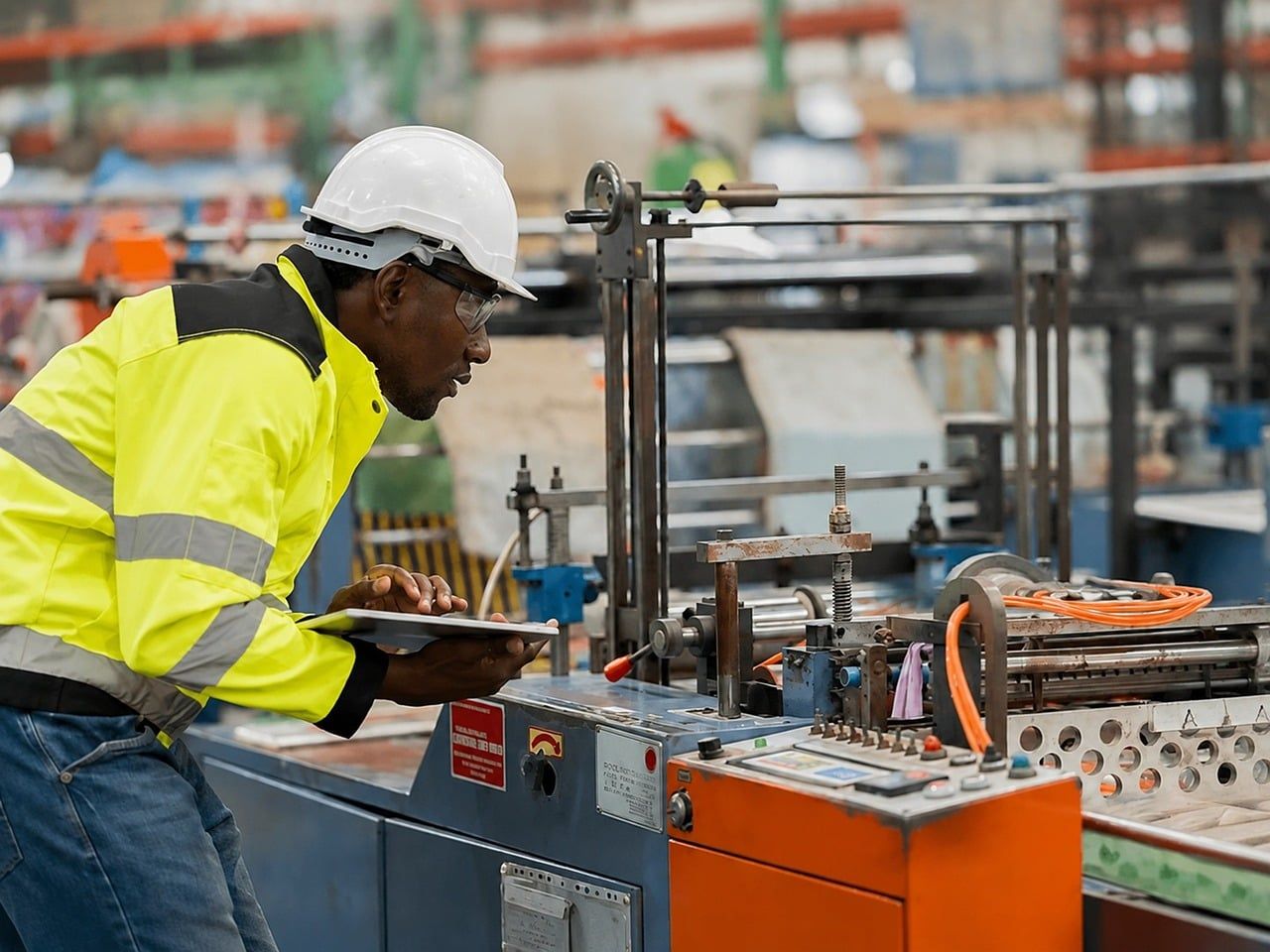
Representative image: invisibleai / Pixabay
German business sentiment rose for a seventh month to 90.6 in November 2026, but third-quarter GDP growth was revised down to 0.1% as investment fell.
Ifo business climate: what happened
Germany's economy sent mixed signals this week. On Tuesday, 24 November 2026, the Ifo institute said its business climate index rose to 90.6 in November from a revised 90.1 in October, the seventh monthly rise in a row. A day later, on Wednesday, 25 November, the Federal Statistical Office (Destatis) cut its estimate of third-quarter growth to 0.1% from a first estimate of 0.2%, as investment and exports fell.
Ifo business climate: key facts
- Ifo business climate: 90.6 in November 2026, up from a revised 90.1 in October and slightly above the 90.5 analysts had expected.
- Ifo assessment of current conditions: 89.4, up from 88.8.
- Ifo expectations: 91.9, up from a revised 91.5.
- By sector: the business climate improved in services and trade, and worsened in manufacturing and construction.
- Third-quarter GDP (July to September): growth revised to 0.1% quarter on quarter, from a flash estimate of 0.2%.
- Components: investment fell 1.2% and exports fell 1.0% in the quarter, while household consumption rose 0.1% and government consumption rose 0.3%.
- Earlier quarters: growth was 0.4% in the first quarter and 0.3% in the second.
Ifo business climate: why it matters
The Ifo index is based on a monthly survey of German companies about their current business and their expectations, and it is closely watched as an early signal for Germany's economy. Seven rises in a row show that companies feel things are slowly getting better. But Ifo president Clemens Fuest summed up the problem in one line: "The recovery of the German economy is proceeding, but it lacks breadth." The improvement is coming from services and trade; manufacturing, the sector Germany is best known for, and construction are still losing ground.
The GDP revision tells the same story from hard data. Growth has slowed in each quarter of 2026, from 0.4% to 0.3% and now 0.1%. The statistics office said weaker retail sales and exports in September than first assumed led to the downgrade. The fall in investment is the most worrying part, because it means companies are spending less on machines, buildings and equipment, which affects future output. Coverage of the data noted that government spending has so far been the mainstay of the recovery.
For Indian businesses with German customers, the split matters. A slow, uneven recovery in German manufacturing points to cautious orders from industrial buyers, while improving sentiment in services and trade suggests those clients may be more willing to commit. Indian suppliers can use the sector detail in the Ifo survey to judge which of their German customers are likely to place orders in the coming months.
Peepals calculation: Compounding the three quarterly growth rates of 2026 (1.004 × 1.003 × 1.001 ≈ 1.008), Germany's economy grew by about 0.8% in total from the end of 2025 to the end of September 2026. The Ifo business climate rose 0.5 points in November (90.6 - 90.1), while the expectations index rose 0.4 points (91.9 - 91.5). Our calculation from the reported figures.
| Indicator | Latest | Previous |
|---|---|---|
| Ifo business climate | 90.6 (November) | 90.1 (October, revised) |
| Ifo current assessment | 89.4 | 88.8 |
| Ifo expectations | 91.9 | 91.5 (revised) |
| GDP growth, Q3 2026 | 0.1% (revised) | 0.2% (flash) |
| Investment, Q3 2026 | -1.2% | not stated |
Ifo business climate: impact
Short-term: The weaker GDP figure and falling investment keep pressure on the European Central Bank and the German government to support growth. Financial markets will read the rising Ifo index as a sign the worst is over, but not as proof of a strong recovery.
Long-term: If manufacturing and construction do not join the recovery, Germany's growth will remain dependent on services and public spending. That would keep the economy vulnerable to any cut in government outlays and to weak export demand.
Who is affected: German manufacturers and builders, European investors, and Indian companies that sell goods or services to German businesses.
Ifo business climate: key takeaway
Indian exporters selling to Germany should expect firmer demand from services clients than from manufacturers until German factory sentiment and investment turn up.
Ifo business climate: questions and answers
What is the Ifo business climate index for November 2026?
It rose to 90.6 from a revised 90.1 in October, the seventh monthly increase in a row, according to the Ifo institute's survey released on 24 November 2026.
How much did Germany's economy grow in the third quarter of 2026?
The Federal Statistical Office revised growth down to 0.1% on the previous quarter, from a first estimate of 0.2%. Investment fell 1.2% and exports fell 1.0%.
Which German sectors are improving?
Business sentiment rose in services and trade, while it fell in manufacturing and construction.
Why does German data matter for India?
Indian companies that sell to German businesses depend on their customers' health. Weaker German factories can mean fewer industrial orders, while stronger services and trade can support demand from those sectors.
Disclaimer: Prepared by the Peepals newsroom from publicly available sources with AI assistance. Information is accurate to the best of our knowledge at the time of publication and may change. Images may be representative. Not professional advice. Report an error via our contact page.
By Neha Kapoor, Economy CorrespondentCovers Economy and more for Peepals Business. All stories by Neha Kapoor
Peak Energy sodium-ion start-up expands Series B to $157 million
Mahanadi Coalfields IPO subscribed 1.52 times; allotment November 25, listing November 27
Your week ahead, every Sunday. Free.
Exam and result dates, IPOs opening, scheme deadlines, government holidays and the RBI decision for the next 7 days, plus the week's top stories. One email a week, unsubscribe in one click.
Neha Kapoor is a pen name of the Peepals Global Editorial Team, which researches, fact-checks and publishes every story. The portrait is an illustration.
Responsible for this story: the Peepals Global Editorial Team. How we report