
Peak Energy sodium-ion start-up expands Series B to $157 million
 By Arjun MehtaSenior Business Editor, Peepals Business
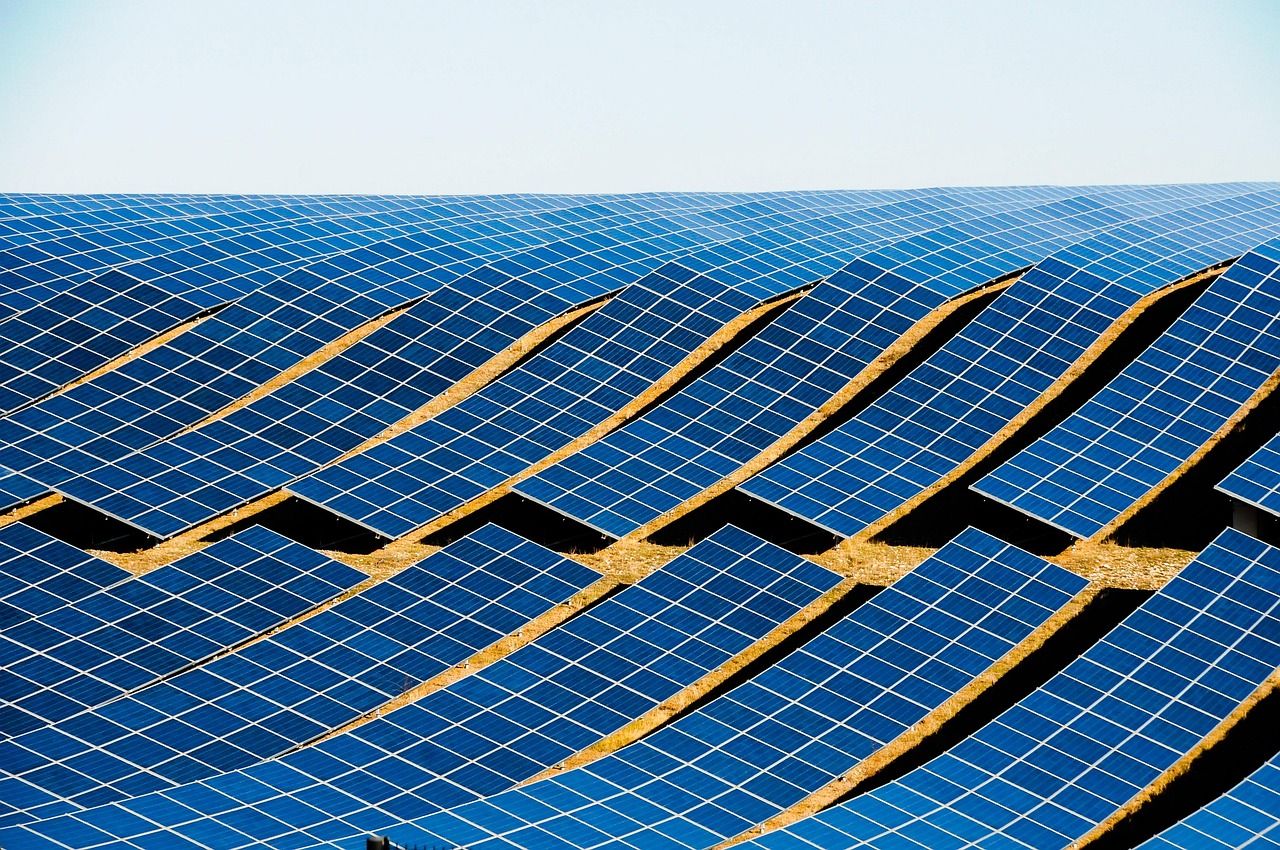
Representative image: gregroose / Pixabay
Sodium-ion storage maker Peak Energy grew its GM Ventures-led Series B to $157 million on 24 November 2026, adding equity and a $25 million HSBC loan.
Peak Energy: what happened
Peak Energy, a United States start-up that builds grid-scale energy storage systems using sodium-ion batteries, said on Tuesday, 24 November 2026 that it has expanded its Series B round to $157 million. The total is made up of $132 million in equity and a $25 million debt facility from HSBC. The round was first announced in October at $108 million, led by General Motors Ventures, and the company says it was enlarged because of additional investor interest and a growing customer backlog.
Peak Energy: key facts
- New total: $157 million, of which $132 million is equity and $25 million is a debt facility from HSBC.
- Extension size: $49 million on top of the $108 million first announced in October, with GM Ventures leading the equity part.
- Other investors named in the round: Maverick Silicon, Infinite Capital, Eclipse, Xora Innovation and LG Technology Ventures.
- Use of the debt: the HSBC facility is meant to support project deliveries from 2027 and to help the company scale its supply chain as production rises.
- Factory: Peak is ramping up manufacturing at a 4 gigawatt-hour (GWh) plant in Sacramento, California.
- Order book: the company says customer agreements have passed $2.5 billion, with buyers including Jupiter Power, RWE and Energy Vault.
Peak Energy: why it matters
Most large battery storage projects today use lithium-ion cells. A sodium-ion battery works on a similar principle but moves sodium ions instead of lithium ions between its electrodes. Peak Energy is betting that, for batteries that sit on the power grid rather than inside a car, sodium-ion cells can compete on cost and safety even if they store less energy for their weight. The company says its system is passively cooled, which means it does not use pumps and fans to control temperature, needs no planned maintenance, and can cut energy costs by up to 20% compared with conventional storage. These are the company's claims; independent field data at scale is not yet public.
The structure of the round is worth noting for founders. Instead of selling more shares, Peak took part of the new money as debt. Zack Jacobson, the company's vice-president of finance, said the debt lets Peak keep its equity for growing the business. Debt from a large bank is usually available only when a company has contracts and expected cash flows that a lender can rely on, so the HSBC facility is in part a signal about how its order book is viewed. The flip side is that loans must be repaid on schedule whatever happens to the business.
Demand is the third thread. Landon Mossburg, the co-founder and chief executive, said customers are telling the company they need a lot more energy storage and better options. Grid operators and power developers want storage to balance solar and wind output and to serve fast-growing loads such as data centres. For Indian readers, the round is one more sign that grid storage chemistry is not settled: lithium-ion leads today, but well-funded alternatives are moving from laboratory to factory.
Peepals calculation: Equity makes up about 84% of the expanded round and debt about 16% ($132 million / $157 million = 0.841). The $49 million extension enlarged the October round by about 45% ($49 million / $108 million = 0.454). The company's stated order book of $2.5 billion is about 16 times the total raised ($2,500 million / $157 million = 15.9). Our calculation from the reported figures.
| Item | Figure |
|---|---|
| Series B as announced in October | $108 million |
| Series B after extension, 24 November | $157 million |
| Equity / debt | $132 million / $25 million (HSBC) |
| Sacramento factory capacity | 4 GWh |
| Customer agreements, as stated by the company | More than $2.5 billion |
Peak Energy: impact
Short-term: The money and the loan give Peak room to buy materials and equipment for the Sacramento plant and to prepare the deliveries its customers have contracted for from 2027.
Long-term: If sodium-ion storage performs as the company says, it would widen the choice of battery chemistry for power grids and reduce dependence on lithium supply. If deliveries slip or the claimed savings do not appear in operation, the company carries both equity investors' expectations and a bank loan.
Who is affected: Power developers and utilities that buy grid storage; battery makers working on lithium-ion and other chemistries; investors in climate and energy technology; and founders weighing debt against equity for capital-heavy businesses.
What to watch next: Project deliveries that the HSBC facility is meant to support, which the company says begin in 2027.
Peak Energy: key takeaway
Founders and investors in energy storage should watch whether Peak Energy's first 2027 deliveries confirm its claims, because that will show whether sodium-ion can win a real share of grid batteries.
Peak Energy: questions and answers
How much has Peak Energy raised in its Series B?
$157 million in total, announced on 24 November 2026. That is $132 million in equity and a $25 million debt facility from HSBC. The round was first announced at $108 million in October.
Who led Peak Energy's funding round?
General Motors Ventures led the Series B. Maverick Silicon, Infinite Capital, Eclipse, Xora Innovation and LG Technology Ventures also took part, and HSBC provided the debt facility.
What is a sodium-ion battery?
It is a rechargeable battery that stores and releases energy by moving sodium ions, rather than lithium ions, between its two electrodes. Peak Energy uses such cells in large storage systems connected to the power grid.
Where does Peak Energy make its batteries?
The company is ramping up production at a 4 GWh manufacturing plant in Sacramento, California.
Disclaimer: Prepared by the Peepals newsroom from publicly available sources with AI assistance. Information is accurate to the best of our knowledge at the time of publication and may change. Images may be representative. Not professional advice. Report an error via our contact page.
By Arjun Mehta, Senior Business EditorCovers Start-ups & Opportunities and more for Peepals Business. All stories by Arjun Mehta
Gopal Ratna Award 2026: Kottayam farmer, Kallakurichi dairy co-op top list
Germany Ifo index rises to 90.6, but Q3 GDP cut to 0.1%
Your week ahead, every Sunday. Free.
Exam and result dates, IPOs opening, scheme deadlines, government holidays and the RBI decision for the next 7 days, plus the week's top stories. One email a week, unsubscribe in one click.
Arjun Mehta is a pen name of the Peepals Global Editorial Team, which researches, fact-checks and publishes every story. The portrait is an illustration.
Responsible for this story: the Peepals Global Editorial Team. How we report