
Norse Atlantic shares crash up to 86% as airline warns finances critical
 By Rohit SharmaMarkets Analyst, Peepals Business
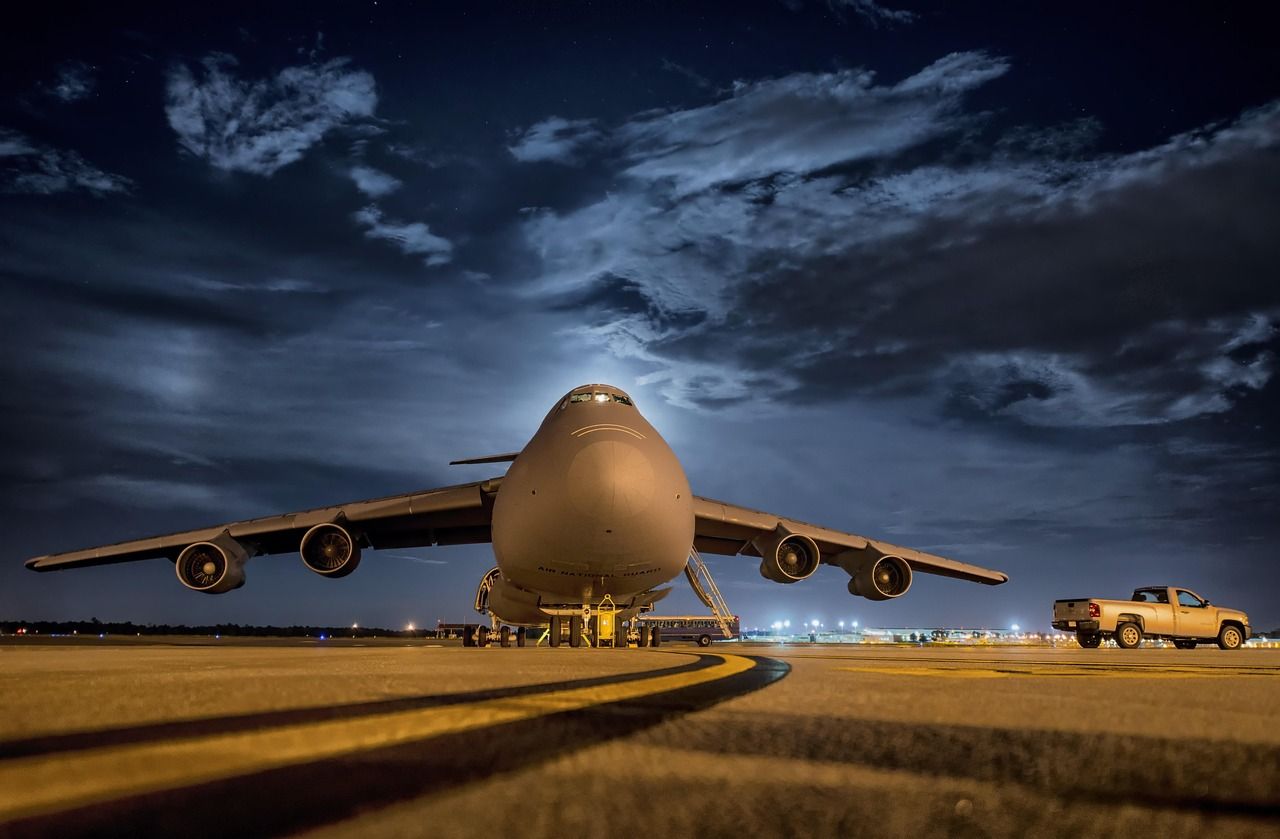
Representative image: 12019 / Pixabay
Norse Atlantic Airways shares fell as much as 86% in Oslo on 25 November 2026 after the airline said it needs new financing to keep flying.
Norse Atlantic Airways: what happened
Shares of Norse Atlantic Airways, the Norwegian long-haul budget carrier, crashed on the Oslo stock exchange on Wednesday, 25 November 2026, after the airline told the exchange that its financial situation was critical. In a filing, Norse said it depends on securing new financing to meet short-term cash needs and keep flying. The stock lost more than three-quarters of its value during the day; measured at different times, the fall was put at between 76% and 86%, and the shares ended at an all-time low. The airline blamed soaring fuel costs linked to the war involving the United States, Israel and Iran.
Norse Atlantic Airways: key facts
- Company: Norse Atlantic Airways, listed on Euronext Oslo Børs.
- Date: Wednesday, 25 November 2026.
- Share move: down between 76% and 86% depending on the time measured; closed at a record low.
- Company statement: it depends on new financing to cover short-term liquidity and continue operations.
- Options under discussion: a possible strategic takeover and other arrangements, including ACMI contracts, in which an airline leases out aircraft with crew for short periods.
- The airline warned there is no guarantee the talks will produce a viable outcome; it had launched a formal sale or merger process in July.
- Regulators: Norway's Civil Aviation Authority separately fined Norse 8,000 Norwegian crowns per business day for not paying compensation owed to passengers.
- Exchange action: Euronext Oslo Børs moved the shares into its Recovery Box, a list for securities whose pricing is especially uncertain.
Norse Atlantic Airways: why it matters
Norse itself points to fuel as the cause. A budget airline competes on low fares, which leaves little room to absorb a sharp rise in costs, and a long-haul carrier burns large amounts of fuel on every flight. When an airline publicly says it needs money just to keep operating, it can also lose bookings, because travellers and travel agents worry that flights may be cancelled.
The share collapse is a market signal that investors see a high risk that existing shareholders will be wiped out or heavily diluted. A rescue by a takeover or fresh equity usually comes at a steep discount to the old share price, and the Recovery Box label tells investors the exchange considers pricing especially uncertain.
For passengers, the warning matters as much as for investors. The aviation regulator's daily fine over unpaid compensation shows the airline was already struggling to meet obligations to travellers before Wednesday's statement. Anyone holding a future Norse ticket faces uncertainty until the financing question is settled.
The airline's own explanation ties its problems to the conflict involving the United States, Israel and Iran and its effect on fuel costs, a pressure that other carriers with thin cash buffers also face.
Peepals calculation: a fall of 76% leaves a share worth 24% of its previous price (100 - 76 = 24), and a fall of 86% leaves 14% (100 - 86 = 14). In other words, an investor's holding worth 1,000 crowns at Tuesday's close would have been worth between about 140 and 240 crowns during Wednesday's trading. Our calculation from the reported figures.
| Item | Detail |
|---|---|
| Share fall on 25 November | 76% to 86%, depending on time |
| Closing level | All-time low |
| Exchange status | Recovery Box |
| Regulator fine | 8,000 crowns per business day |
| Sale process | Launched in July 2026 |
Norse Atlantic Airways: impact
Short-term: Norse must find funding quickly; until it does, its share price remains highly uncertain, as the Recovery Box label signals, and passengers face uncertainty over future flights.
Long-term: The outcome, whether a takeover, new money or a collapse, will show how far high fuel prices can push weaker long-haul budget airlines.
Who is affected: Norse shareholders, passengers holding tickets or owed compensation, the airline's staff, and lenders and aircraft lessors.
Norse Atlantic Airways: key takeaway
The next thing to watch is whether Norse announces a financing or takeover deal; until it does, both its flights and its shares remain in doubt.
Norse Atlantic Airways: questions and answers
Why did Norse Atlantic shares fall?
The airline told the Oslo exchange on 25 November 2026 that its finances were critical and that it needs new financing to keep operating, blaming high fuel costs.
How much did Norse Atlantic shares drop?
Between 76% and 86% during the day, depending on when the fall was measured, closing at an all-time low.
Is Norse Atlantic being sold?
The airline started a formal sale or merger process in July and is discussing a possible strategic takeover, but it says there is no guarantee of a viable outcome.
What is the Recovery Box?
It is a list kept by Euronext Oslo Børs for shares whose pricing is especially uncertain, often because the company faces serious financial difficulty.
Disclaimer: Prepared by the Peepals newsroom from publicly available sources with AI assistance. Information is accurate to the best of our knowledge at the time of publication and may change. Images may be representative. Not professional advice. Report an error via our contact page.
By Rohit Sharma, Markets AnalystCovers Markets Watch and more for Peepals Business. All stories by Rohit Sharma
KPMG-CII report: 59% of Indian leaders use AI agents, 93% plan to
US GDP Q3 2026 revised up to 4.3% from 3.4% on software investment
Your week ahead, every Sunday. Free.
Exam and result dates, IPOs opening, scheme deadlines, government holidays and the RBI decision for the next 7 days, plus the week's top stories. One email a week, unsubscribe in one click.
Rohit Sharma is a pen name of the Peepals Global Editorial Team, which researches, fact-checks and publishes every story. The portrait is an illustration.
Responsible for this story: the Peepals Global Editorial Team. How we report