

Euro falls below $1.10, first since April 2025, as dollar index tops 103
 By Neha KapoorEconomy Correspondent, Peepals Business
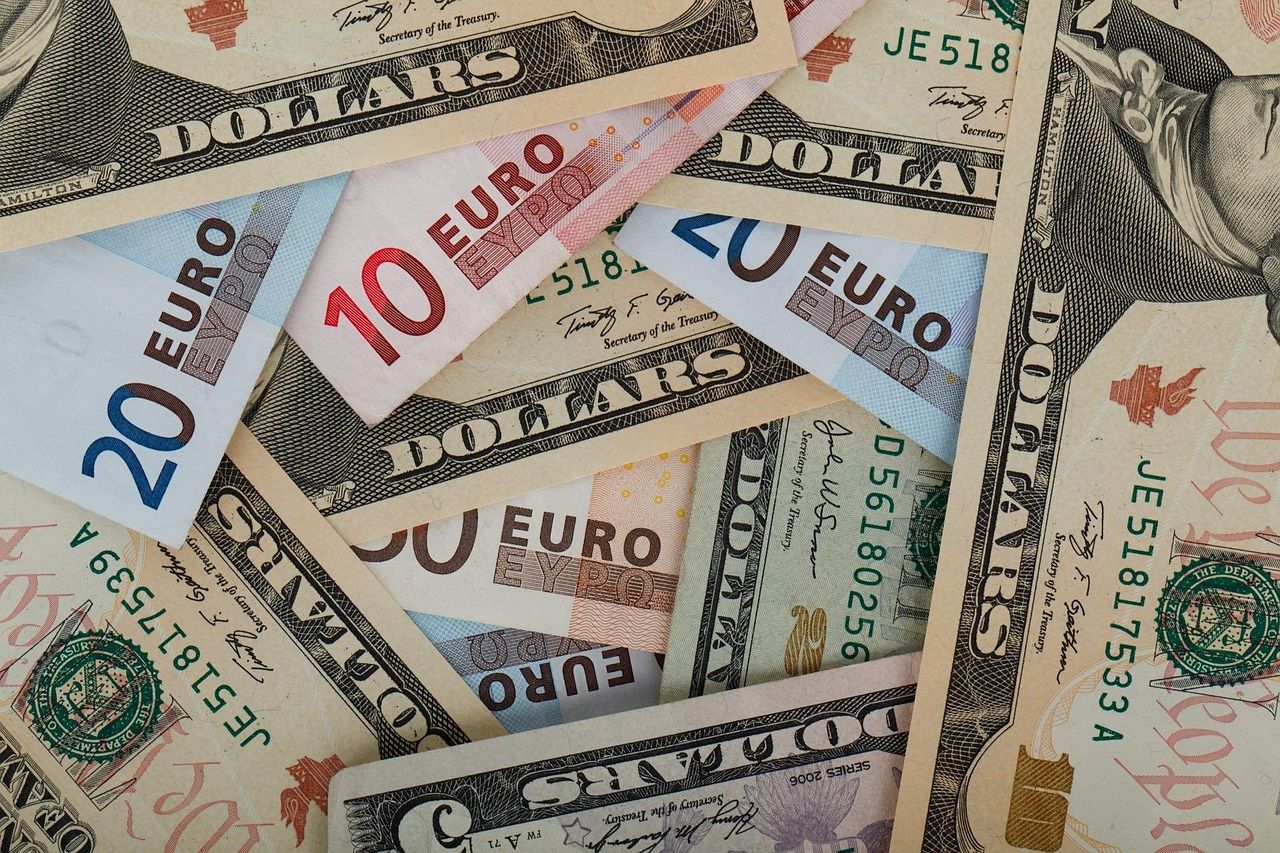
Representative image: PublicDomainPictures / Pixabay
The euro hit $1.0998 on 16 November 2026, its first dip below $1.10 since April 2025, as Fed rate-rise bets lifted the dollar index above 103.
Dollar Index: what happened
The euro fell below $1.10 on Monday, 16 November 2026, for the first time since April 2025, touching a low of $1.0998 as the US dollar strengthened on bets that the US Federal Reserve will keep raising interest rates. It was the euro's weakest level in 19 months. The dollar index, which measures the dollar against a basket of major currencies, had ended the previous week at 103.41, its highest since April 2025. Analysts said the move was driven mainly by the Fed rather than by the European Central Bank (ECB), with political and budget troubles in France adding pressure on the euro.
Dollar Index: key facts
- Euro low: $1.0998 on 16 November 2026, the first time below $1.10 since April 2025 and a 19-month low.
- Dollar index: closed the previous week at 103.41, above 103 for the first time since April 2025.
- Fed expectations: markets priced about a 93.5% chance of a Fed rate rise in December.
- Rate gap: swap markets price about 90 basis points of US tightening over the next year, against about 70 basis points from the ECB.
- ECB: seen delivering only a final increase; its tougher tone and cheaper oil have not put a floor under the euro, Societe Generale said.
- France: political gridlock and missed deficit targets are weighing on the currency.
Dollar Index: why it matters
Currencies move on the difference in interest rates between two economies. When investors expect US rates to rise further and faster than euro-area rates, holding dollars pays more, so money flows towards the dollar. That is what markets are pricing now: a near-certain December rise from the Fed and a bigger total increase in the US than in Europe over the coming year. Danske Bank's analysts summed it up as a move "primarily driven by solid US economic data, and the Fed's increasingly hawkish response to it".
The ECB is in an awkward spot. It has been talking tough on inflation, and in normal times that would support the euro. But markets believe it is close to the end of its rate rises, while the Fed still has further to go. France's difficulties add a second, European-made reason for caution, because investors worry about how a large euro-area economy will manage its debts without a stable government.
For India, the dollar's strength matters more than the euro's weakness. A stronger dollar tends to put pressure on emerging-market currencies, including the rupee, and makes dollar-priced imports such as oil costlier in rupee terms. Indian exporters selling to Europe, meanwhile, earn euros that buy fewer dollars than before. Companies with euro or dollar debts and importers who pay in dollars will be watching the next Fed decision closely.
Peepals calculation: at the low of $1.0998, one US dollar buys about 0.909 euro (1 ÷ 1.0998 ≈ 0.909), and the gap between expected US and euro-area tightening over the next year is about 20 basis points, or 0.2 percentage point (90 − 70). Our calculation from the reported figures.
| Measure | Latest reported level |
|---|---|
| Euro low (16 November) | $1.0998 |
| Dollar index (previous week's close) | 103.41 |
| Chance of December Fed rise (market pricing) | about 93.5% |
| Expected US tightening, next 12 months | about 90 basis points |
| Expected ECB tightening, next 12 months | about 70 basis points |
Dollar Index: impact
Short-term: The euro is likely to stay under pressure as long as markets expect a December Fed rise, and traders will watch the Fed's minutes and US data closely.
Long-term: If the Fed keeps raising rates while the ECB stops, the dollar could stay strong into 2027, keeping pressure on other currencies and on countries that import dollar-priced fuel.
Who is affected: Indian exporters to Europe and importers who pay in dollars, companies with foreign-currency loans, travellers and students paying in euros or dollars, and investors in currency and bond markets.
What to watch next: the Fed's December policy decision, which markets currently see as very likely to bring another rate rise.
Dollar Index: key takeaway
If you pay or earn in euros or dollars, watch the Fed's December decision, because it is the main force moving both currencies now.
Dollar Index: questions and answers
Why did the euro fall below $1.10?
Mainly because markets expect the US Federal Reserve to keep raising rates faster than the ECB, which makes the dollar more attractive; France's political and budget troubles added pressure.
What is the dollar index now?
The dollar index closed the previous week at 103.41, its highest level since April 2025.
When did the euro last trade below $1.10?
Before 16 November 2026, the euro had not traded below $1.10 since April 2025.
How does a strong dollar affect India?
A stronger dollar tends to weigh on emerging-market currencies such as the rupee and makes dollar-priced imports like oil costlier in rupee terms.
Disclaimer: Prepared by the Peepals newsroom from publicly available sources with AI assistance. Information is accurate to the best of our knowledge at the time of publication and may change. Images may be representative. Not professional advice. Report an error via our contact page.
By Neha Kapoor, Economy CorrespondentCovers Economy and more for Peepals Business. All stories by Neha Kapoor
Apple outage: internal update took down iCloud, App Store; not a cyberattack
Japan chip exports jump 49.7% in October; SK Hynix, Samsung lift Kospi
Your week ahead, every Sunday. Free.
Exam and result dates, IPOs opening, scheme deadlines, government holidays and the RBI decision for the next 7 days, plus the week's top stories. One email a week, unsubscribe in one click.
Neha Kapoor is a pen name of the Peepals Global Editorial Team, which researches, fact-checks and publishes every story. The portrait is an illustration.
Responsible for this story: the Peepals Global Editorial Team, led by editor Prashant Sonar. How we report