GreenCell Mobility gets Rs 330 crore from Impact Fund Denmark for 4,500 e-buses
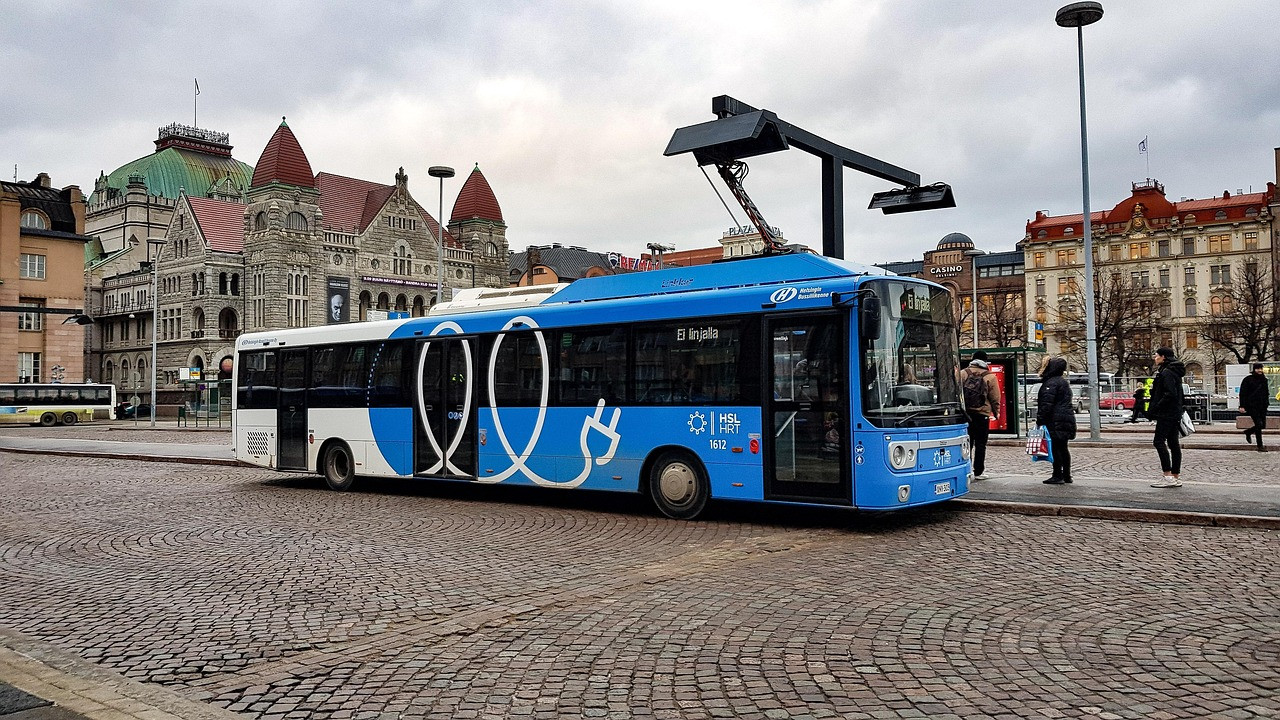
Representative image: ENiemela / Pixabay
Electric bus operator GreenCell Mobility received Rs 330 crore in equity from Impact Fund Denmark on 13 October 2026 to add about 4,500 e-buses.
What Happened
GreenCell Mobility, an Indian company that runs electric buses for state transport bodies, has received an equity investment of Rs 330 crore from Impact Fund Denmark, the company announced on Tuesday, 13 October 2026. The money is meant to support the rollout of about 4,500 new electric buses, which would take the operator's planned fleet past 5,000 buses across 105 Indian cities. GreenCell is a portfolio company of Eversource Capital, a climate-focused investment platform. The deal is worth roughly $34.6 million at current exchange rates.
Key Facts
- Investor: Impact Fund Denmark (IFU), a Danish state-backed development investor.
- Amount: Rs 330 crore in equity, about $34.6 million.
- Purpose: to support the induction of about 4,500 electric buses.
- Planned fleet: more than 5,000 electric buses across 105 cities in India.
- Business model: GreenCell buys, runs and maintains electric buses for state transport undertakings, which pay it a fixed fee for each kilometre run.
- Existing backer: Eversource Capital, whose chief executive Dhanpal Jhaveri said the investment shows electric public transport is being recognised as an investable infrastructure opportunity in India.
Why It Matters
India's push to electrify city buses depends less on buying vehicles than on financing them. An electric bus costs much more upfront than a diesel one, and most state transport corporations do not have the balance sheet to buy thousands of them. The model GreenCell uses, often called gross cost contracting, shifts that burden to private operators. The operator owns and runs the bus, keeps it maintained and is paid per kilometre. The state gets electric buses on the road without a large one-time capital outlay.
That model needs patient, long-term money, which is why the type of investor matters. Development finance institutions such as Impact Fund Denmark invest for climate and development goals as well as returns, and they are generally willing to wait longer for a payoff than typical start-up investors. Their entry into Indian e-bus operators is a sign that foreign capital sees public electric transport as a steady, contract-backed infrastructure business rather than a speculative technology bet.
There are risks for investors to weigh. Bus operators borrow heavily to buy fleets, and their income depends on state transport bodies paying on time over contracts that run for a decade or more. Late payments by public agencies are a known problem in Indian infrastructure. Battery life, charging depots and the cost of replacing batteries mid-contract also affect how profitable each bus is over its working life.
For readers looking at sector opportunities, the deal points to a wider supply chain. Thousands of new electric buses need charging infrastructure, depot construction, battery servicing, software for fleet management and trained technicians. Companies that serve operators in those areas stand to benefit if the planned rollouts go ahead on schedule.
| | Detail | Information | |
|---|---|
| | Company | GreenCell Mobility | |
| | Investor | Impact Fund Denmark | |
| | Equity raised | Rs 330 crore (about $34.6 million) | |
| | New buses supported | About 4,500 | |
| | Planned fleet | More than 5,000 buses in 105 cities | |
Impact
Short-term: GreenCell gains equity to put alongside debt for its next wave of bus purchases, strengthening its position in upcoming state tenders for electric buses.
Long-term: If operators like GreenCell can scale profitably, more Indian cities could replace ageing diesel fleets with electric buses, cutting urban air pollution and fuel import costs.
Who is affected: Daily bus commuters in the cities GreenCell serves, state transport undertakings, bus makers and battery suppliers, charging infrastructure firms, and investors in clean-transport infrastructure.
Key Takeaway
Impact Fund Denmark's Rs 330 crore equity investment in GreenCell Mobility, announced on 13 October 2026, backs a plan to add about 4,500 electric buses and shows foreign development capital treating Indian e-bus operations as infrastructure.
Questions and Answers
How much did GreenCell Mobility raise and from whom?
GreenCell Mobility received a Rs 330 crore equity investment, about $34.6 million, from Impact Fund Denmark, announced on 13 October 2026.
What will the money be used for?
It will support the rollout of about 4,500 new electric buses, as the company works towards a fleet of more than 5,000 buses across 105 Indian cities.
How does GreenCell earn money?
It buys, operates and maintains electric buses for state transport bodies and is paid a fixed fee for every kilometre the buses run.
What are the main risks in this business?
Operators carry heavy debt to buy fleets and depend on state agencies paying on time over long contracts; battery replacement and charging costs also affect returns.
Disclaimer: Prepared by the Peepals newsroom from publicly available sources with AI assistance. Information is accurate to the best of our knowledge at the time of publication and may change. Images may be representative. Not professional advice. Report an error via our contact page.
Sourced and fact-checked by the Peepals Global Editorial Team
Himachal doubles milk incentive to Rs 6 a litre, tells departments to buy from Milkfed
Maharashtra widens drought list to 305 talukas, promises farmers Rs 5,000 before Diwali
Reported, fact-checked and published by the Peepals Global Editorial Team.