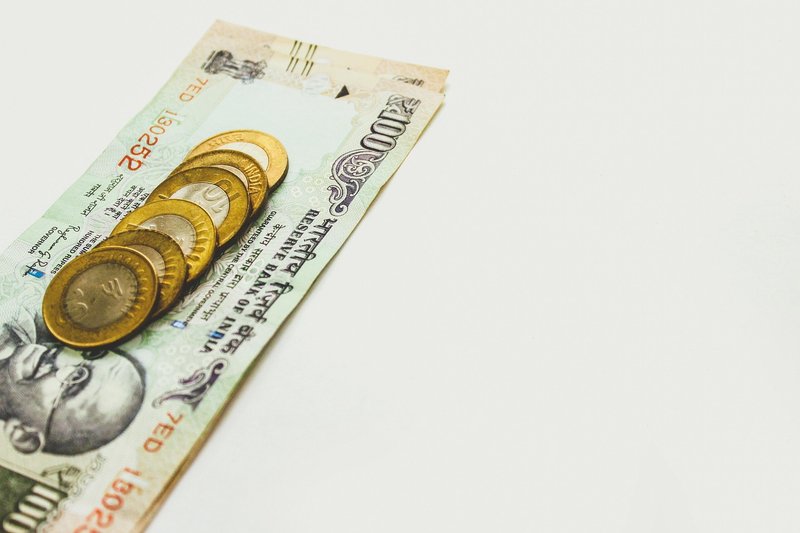

Sugar prices: Centre lets mills sell October output beyond quota before Diwali
Representative image: Bru-nO / Pixabay
With ex-mill sugar up about Rs 1,000 a quintal in ten days, the Centre on October 16, 2026 let mills sell October output in October or November, above quota.
What Happened
Sugar prices have risen sharply in the run-up to Diwali, and the Centre has responded by loosening the rules on how much sugar mills may sell. On October 16, 2026, the Union food ministry said mills may sell the sugar they produce in October either in October or in November, and that this would be over and above the quantities already allowed under the regular monthly release quotas. The step follows an order on October 13 that allotted 1.4 million tonnes of sugar for domestic sale between October 13 and October 31, after ex-mill prices climbed by close to Rs 1,000 a quintal in about ten days.
Key Facts
- On October 16, 2026, the food ministry allowed mills to sell October-produced sugar in October or November, outside their regular quotas.
- Example given in reports: a mill that makes 1,000 tonnes in October can sell all of it that month or carry it into November.
- A separate order of October 13 released 1.4 million tonnes for domestic sale from October 13 to 31.
- Ex-mill sugar prices rose by nearly Rs 1,000 a quintal in roughly ten days, according to trade reports.
- In Muzaffarnagar, Uttar Pradesh, M-grade sugar traded at Rs 5,300 to 5,350 a quintal on October 17, up from Rs 5,280 to 5,320 two days earlier.
- Dealers may hold no more than 1,000 quintals, for no more than 15 days, from October 15 to November 30; Kolkata's metropolitan area and Assam are exempt from the tighter cap.
- Uttar Pradesh is selling sugar from cooperative mills at Rs 52 a kg in Lucknow to ease festive prices.
Why It Matters
India's sugar year runs from October to September, and October is the awkward month in between. Last season's stocks are running down, while this season's cane crushing has barely started. Maharashtra issued crushing licences to 210 mills with crushing allowed from October 15, but trade reports say a shortage of harvest-ready cane has slowed early starts in Maharashtra and Karnataka, and that large-scale crushing may not begin until November. That gap falls exactly when demand peaks: Dussehra, Diwali and the wedding season all push up buying by sweet makers, bakeries and households.
The government controls how much sugar mills may release each month through a quota system, which is meant to keep supply smooth through the year. When prices jump, the quota is the first lever it pulls. This time the ministry went a step further by letting mills sell fresh October production on top of the quota, so that any sugar the new season produces early can reach the market at once instead of waiting for November's allotment.
The measures also show how the Centre is working on both ends of the supply chain. On the mill side it is releasing more sugar. On the trade side it has cut dealer stock limits in steps, from 4,000 quintals in August to 2,000 quintals in mid-September and 1,000 quintals from October 15, to stop sugar being held back in warehouses ahead of the festival rush.
| Date | Measure |
|---|---|
| October 13 | 1.4 million tonnes released for sale from October 13 to 31 |
| October 15 | Dealer stock limit cut to 1,000 quintals, 15-day holding period, till November 30 |
| October 16 | Mills allowed to sell October output in October or November, above quota |
Impact
Short-term: More sugar should be available for the Diwali week, which may slow or halt the rise in wholesale prices. Trade reports are cautious, however: one industry executive said only limited consignments had reached the market because buyers and mills were not agreeing on price, and with little fresh cane being crushed, the extra freedom to sell October output may add only modest volumes at first.
Long-term: The bigger test comes in November, when crushing should be in full swing across Uttar Pradesh, Maharashtra and Karnataka. If the new crop arrives on time, prices should ease naturally. If cane is short or late again, the government may have to consider more steps; it has not said what it will do for November beyond the measures already announced.
Who is affected: Households buying sugar and sweets for the festival; halwais and small sweet makers, such as Agra's petha makers, who have complained of costly sugar; sugar mills and their cane farmers, whose cash flow depends on sales; and wholesale dealers, who now face tight limits on how much they can stock.
Key Takeaway
To tame a festive spike in sugar prices, the Centre has added a quota release, tighter dealer limits and, from October 16, freedom for mills to sell October output beyond their quotas.
Questions and Answers
Why are sugar prices high before Diwali 2026?
Festival demand is peaking just as last season's stocks run low and the new crushing season starts slowly. Ex-mill prices rose by nearly Rs 1,000 a quintal in about ten days in October, according to trade reports.
What did the Centre decide on sugar sales on October 16, 2026?
The food ministry allowed sugar mills to sell sugar produced in October either in October or in November, over and above the quantities allowed under their regular monthly release quotas.
How much sugar has the government released for October?
An order dated October 13 allotted 1.4 million tonnes of sugar for domestic sale from October 13 to October 31, 2026.
Are there limits on how much sugar dealers can stock?
Yes. From October 15 to November 30, 2026, dealers may hold at most 1,000 quintals and keep it for no more than 15 days. Kolkata and its extended metropolitan area and Assam are exempt from this tighter cap.
Disclaimer: Prepared by the Peepals newsroom from publicly available sources with AI assistance. Information is accurate to the best of our knowledge at the time of publication and may change. Images may be representative. Not professional advice. Report an error via our contact page.
Sourced and fact-checked by the Peepals Global Editorial Team
Reported, fact-checked and published by the Peepals Global Editorial Team.