
Kioxia outlook: flash memory profit to stall after record quarter
 By Rohit SharmaMarkets Analyst, Peepals Business
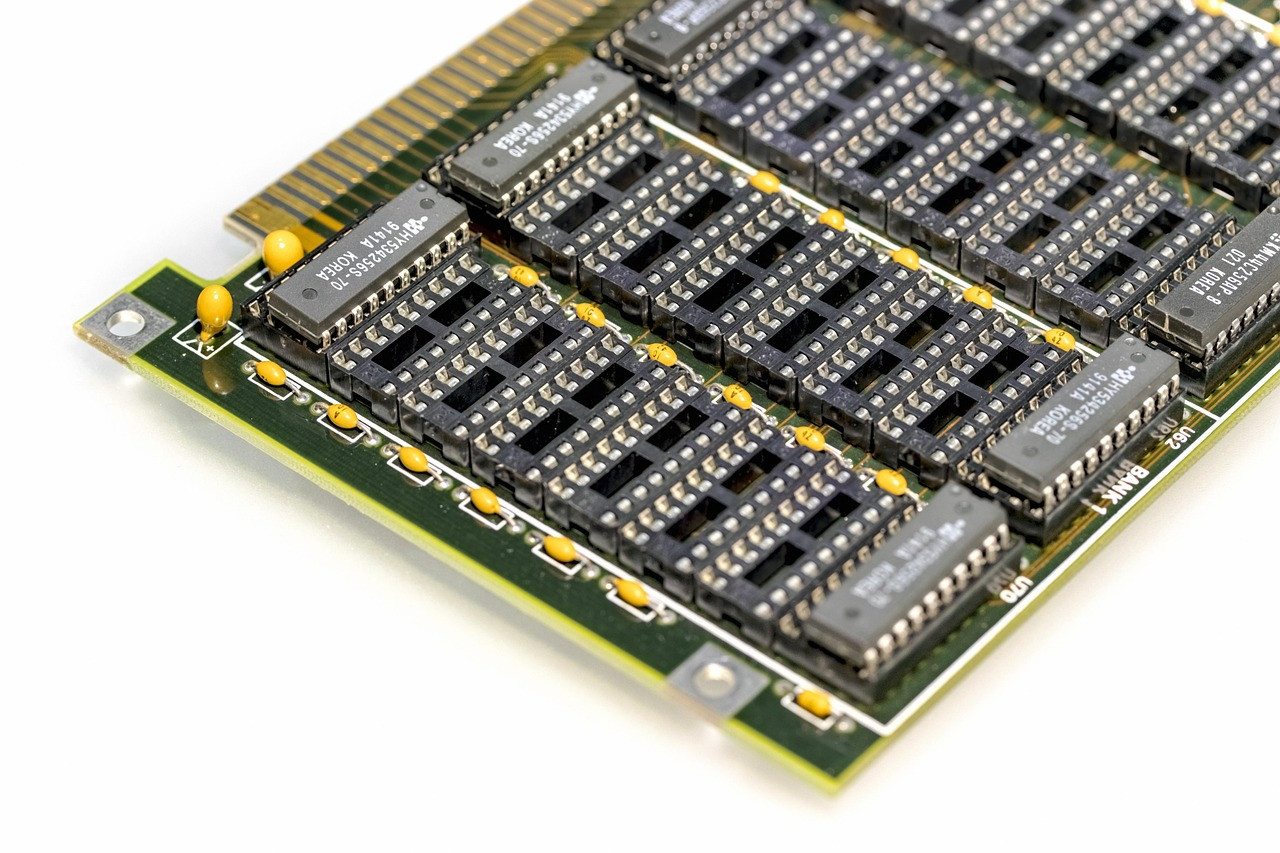
Representative image: Panals / Pixabay
Kioxia guided flat operating profit of about 2 trillion yen for October-December after a record quarter; its shares fell nearly 16% on 2 November 2026.
What Happened
Kioxia, the Japanese maker of NAND flash memory chips, told investors that its operating profit for the October to December quarter will be about 2 trillion yen, almost exactly what it earned in the record July to September quarter. The company gave the outlook with its results on Friday, 30 October 2026. When the Tokyo market reopened on Monday, 2 November 2026, its shares fell 15.78% to close at 11,345 yen, after dropping as much as 17% during the day to their lowest level since April.
Key Facts
- July to September revenue: about 2,480 billion yen, up from about 1,767 billion yen in April to June.
- July to September operating profit: about 1,995 billion yen, up from about 1,270 billion yen a quarter earlier.
- October to December guidance: revenue of 2,500 billion yen (up 0.8% on the quarter) and operating profit of 1,995 billion yen (flat).
- Analysts had expected operating profit of about 2.35 trillion yen for the quarter, according to Bloomberg.
- The average selling price of Kioxia's flash memory rose by roughly 25% in July to September, against about 70% in the quarter before.
- The forecast assumes an exchange rate of 157 yen to the dollar; the company expects the stronger yen to cut operating profit by about 55 billion yen.
- Shares of the US memory maker Micron also fell the same day.
Why It Matters
Kioxia makes NAND flash, the memory used in solid-state drives, phones and the storage servers that hold the data artificial intelligence systems learn from and serve. Over the past year, demand from data centres pushed flash prices up fast, and the company's profit with them. A quarter in which revenue grows by less than 1% is therefore read by investors as a sign that the price surge may be slowing, even though profit stays at a record level.
The company says the flat quarter is about timing, not weaker demand. According to its management, some customers asked for shipments to be pulled forward into the September quarter, while other orders were moved into the January to March quarter. Chief Financial Officer Yoshihiko Kawamura said the company expects to return to rapid growth in the March quarter, and Kioxia has said its planned output for 2027 is already sold out. On its earnings call, the company said it expected demand to stay tight through 2027, supported by storage needs from AI and data centres.
Investors were not convinced. The fall in Kioxia's shares spread to other memory makers, showing how closely the market now links chip prices to the pace of AI spending by large technology companies. For businesses that buy servers and storage, the same signal cuts the other way: if flash prices rise more slowly, the cost of building storage for AI and cloud services rises more slowly too.
For Indian companies, the link is through hardware costs. India's data centre operators, cloud providers and IT services firms import the drives and servers they install, so global flash prices feed into what they pay to expand capacity. A slower price rise, if it lasts, would ease that pressure; Kioxia's own statement that 2027 output is already sold out suggests supply will remain tight.
Peepals calculation: Kioxia's revenue rose about 40% from April-June to July-September (2,480 ÷ 1,767 ≈ 1.40). Price up about 25% and shipments up a little over 10% roughly explain that jump (1.25 × 1.10 ≈ 1.38). The guided operating profit of 1,995 billion yen is about 15% below the 2.35 trillion yen analysts expected (1,995 ÷ 2,350 ≈ 0.85), while the operating margin stays near 80% (1,995 ÷ 2,500 ≈ 0.80). Our calculation from the reported figures.
| Quarter | Revenue (billion yen) | Operating profit (billion yen) |
|---|---|---|
| April-June 2026 | about 1,767 | about 1,270 |
| July-September 2026 | about 2,480 | about 1,995 |
| October-December 2026 (guidance) | 2,500 | 1,995 |
Impact
Short-term: Memory chip shares are likely to stay sensitive to any sign that prices are levelling off, as Monday's fall in Kioxia and Micron showed. Buyers of storage hardware may see slower price increases in the coming months if the guidance holds.
Long-term: The bigger question is whether AI-driven demand for storage keeps growing through 2027, as Kioxia says, or whether the industry is nearing the top of its price cycle. The company's claim that its 2027 output is sold out points to continued tight supply, but that is the company's own statement.
Who is affected: Investors in memory chip makers; cloud and data centre operators, including those in India, who buy solid-state drives; and electronics makers whose costs depend on flash prices.
What to watch next: Kioxia's January to March quarter, when the company says growth should return, and whether its next results confirm that delayed orders were shipped.
Key Takeaway
Kioxia expects record but flat profit of about 2 trillion yen for October-December, and investors read the pause as a sign that the AI-driven rise in flash memory prices is slowing.
Questions and Answers
Why did Kioxia shares fall on 2 November 2026?
Kioxia forecast October-December operating profit of about 1,995 billion yen, flat on the previous quarter and well below the roughly 2.35 trillion yen analysts expected. The shares closed 15.78% lower at 11,345 yen in Tokyo.
Is demand for Kioxia's flash memory falling?
The company says no. It blames the timing of shipments, with some orders moved earlier and others later, and says it expects rapid growth again in the January-March quarter and has sold out its planned 2027 output.
What does Kioxia make?
Kioxia makes NAND flash memory, the chips that store data in solid-state drives, smartphones and data centre servers, including the servers used for artificial intelligence.
How much did flash prices rise in the latest quarter?
Kioxia's average selling price rose by roughly 25% in July-September, compared with about 70% in the quarter before, which is why investors fear the price surge is slowing.
Disclaimer: Prepared by the Peepals newsroom from publicly available sources with AI assistance. Information is accurate to the best of our knowledge at the time of publication and may change. Images may be representative. Not professional advice. Report an error via our contact page.
By Rohit Sharma, Markets AnalystCovers Markets Watch and more for Peepals Business. All stories by Rohit Sharma
Kitex Garments jumps 17% on Q2 profit as textile stocks rally
The Croffle Guys funding values croffle chain at Rs 100 crore
Get the day's stories in your inbox
Peepals Weekly: the week decoded, free. One email a week, unsubscribe in one click.
Rohit Sharma is a pen name of the Peepals Global Editorial Team, which researches, fact-checks and publishes every story. The portrait is an illustration.