
Airtel leads as machines outpace people in new mobile connections
 By Rohit SharmaMarkets Analyst, Peepals Business
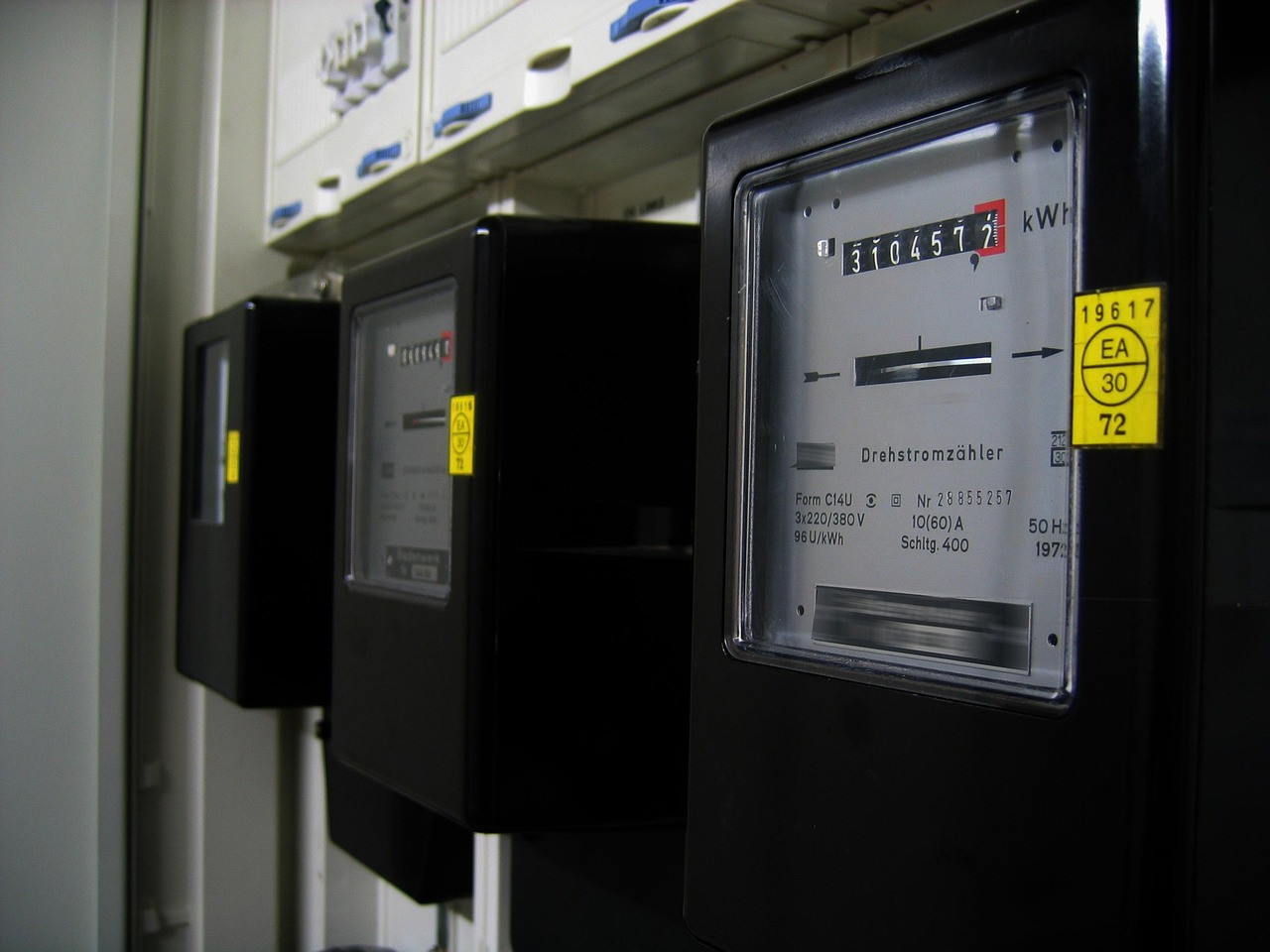
Representative image: geralt / Pixabay
Machine-to-machine SIMs rose by about 4.35 million in September 2026, twice the human additions, TRAI data shows; Airtel holds 61.16% of M2M lines.
What Happened
Machines, not people, accounted for most of the new mobile connections in India in September 2026, and Airtel controls the largest share of them, according to monthly subscriber data released by the Telecom Regulatory Authority of India (TRAI) on October 27, 2026. Machine-to-machine (M2M) cellular connections, the SIM cards that sit inside smart meters, connected cars, payment terminals, vehicle trackers and industrial sensors, rose from 140.50 million at the end of August to 144.85 million at the end of September, an addition of about 4.35 million. Of the 6.57 million total mobile connections added in the month, only about 2.22 million belonged to human users, as an analysis of the TRAI figures pointed out. Bharti Airtel led the M2M segment with 88.58 million connections, a market share of 61.16%.
Key Facts
- M2M cellular connections grew from 140.50 million (August 2026) to 144.85 million (September 2026), about 4.35 million new machine connections.
- India added 6.57 million mobile connections in total in September, of which about 2.22 million were human subscribers.
- Bharti Airtel had 88.58 million M2M connections, a 61.16% share of the segment.
- Reliance Jio added about 2.71 million mobile connections and Airtel about 2.69 million in September, a gap of roughly 20,500.
- TRAI's wireless mobile totals include both consumer SIMs and M2M connections, so headline additions mix people and machines.
Why It Matters
For years, India's telecom story was about putting a phone in every hand. The September data shows a quieter shift: the fastest-growing part of the mobile network now connects devices to other devices. An M2M SIM does not make calls or scroll social media. It sends small amounts of data, such as an electricity meter reporting usage, a truck reporting its location, or a card machine confirming a payment. Each one is a sign of a business or utility digitising part of its work.
This is the "Industry 4.0" side of telecom. Power distribution companies installing smart meters, logistics firms tracking fleets, carmakers building in connected services, and banks spreading point-of-sale terminals all add M2M lines. As those programmes scale, they can add millions of connections a month, which is why machine additions outpaced human ones in September.
The data also changes how subscriber headlines should be read. Because TRAI counts M2M lines in its wireless mobile totals, an operator's monthly gain can look strong even if it added relatively few new human customers. Airtel's large M2M base, more than 61% of the segment, means a sizeable part of its additions comes from enterprise contracts. Analysts and investors therefore look separately at human subscribers and at average revenue per user, since an M2M line usually earns far less each month than a smartphone plan, but is cheap to serve and tends to stay connected for years.
For businesses, the growth points to a maturing market for connected devices. It also raises practical questions about network capacity, security of devices that run unattended, and the rules for numbering and registering millions of SIMs that no person carries.
| Measure (September 2026) | Figure |
|---|---|
| M2M connections, end of August | 140.50 million |
| M2M connections, end of September | 144.85 million |
| Total mobile additions in September | 6.57 million |
| Human subscriber additions (approx.) | 2.22 million |
| Airtel M2M connections and share | 88.58 million (61.16%) |
Impact
Short-term: Telecom operators with strong enterprise sales, led by Airtel, will keep showing healthy monthly additions driven by M2M contracts. Readers of the monthly TRAI tables need to separate machine lines from human ones to understand real customer growth.
Long-term: As smart meters, connected vehicles and industrial sensors spread, machine connections could become the main source of new mobile lines in India. That would push operators to build products, pricing and security services for enterprises rather than only for consumers.
Who is affected: Telecom operators and their enterprise customers, including power utilities, logistics firms, automakers and payment companies; device makers; investors who track subscriber data; and the regulator, which oversees numbering and security for the growing number of SIMs used by machines.
Key Takeaway
In September 2026, machines added about 4.35 million mobile connections in India, roughly twice the 2.22 million added by people, with Airtel holding over 61% of all M2M lines.
Questions and Answers
What does the latest TRAI data show about Airtel and machine connections?
TRAI's September 2026 data shows Airtel had 88.58 million machine-to-machine connections, a 61.16% share of the segment, which grew to 144.85 million connections in total.
What is an M2M connection?
It is a SIM card used by a device rather than a person, for example in a smart electricity meter, a vehicle tracker, a connected car or a card payment machine. It mainly sends small amounts of data automatically.
Did machines really add more connections than people in September 2026?
Yes. M2M connections rose by about 4.35 million, while human subscribers accounted for about 2.22 million of the 6.57 million total mobile additions.
Why does this matter when reading subscriber numbers?
TRAI includes M2M lines in its wireless mobile totals, so an operator's headline additions can include many machine connections that earn less per line than a smartphone customer.
Disclaimer: Prepared by the Peepals newsroom from publicly available sources with AI assistance. Information is accurate to the best of our knowledge at the time of publication and may change. Images may be representative. Not professional advice. Report an error via our contact page.
By Rohit Sharma, Markets AnalystCovers Markets Watch and more for Peepals Business. All stories by Rohit Sharma
World Bank: India's extreme poverty fell from 27.1% to 2.6% in 2011-23
AI bubble in China: STAR 50 crashes 40%, wiping out $480 billion
Get the day's stories in your inbox
Peepals Weekly: the week decoded, free. One email a week, unsubscribe in one click.
Rohit Sharma is a pen name of the Peepals Global Editorial Team, which researches, fact-checks and publishes every story. The portrait is an illustration.