
Rolls-Royce gets up to £2.5 billion UK backing for new narrowbody jet engine
 By Arjun MehtaSenior Business Editor, Peepals Business
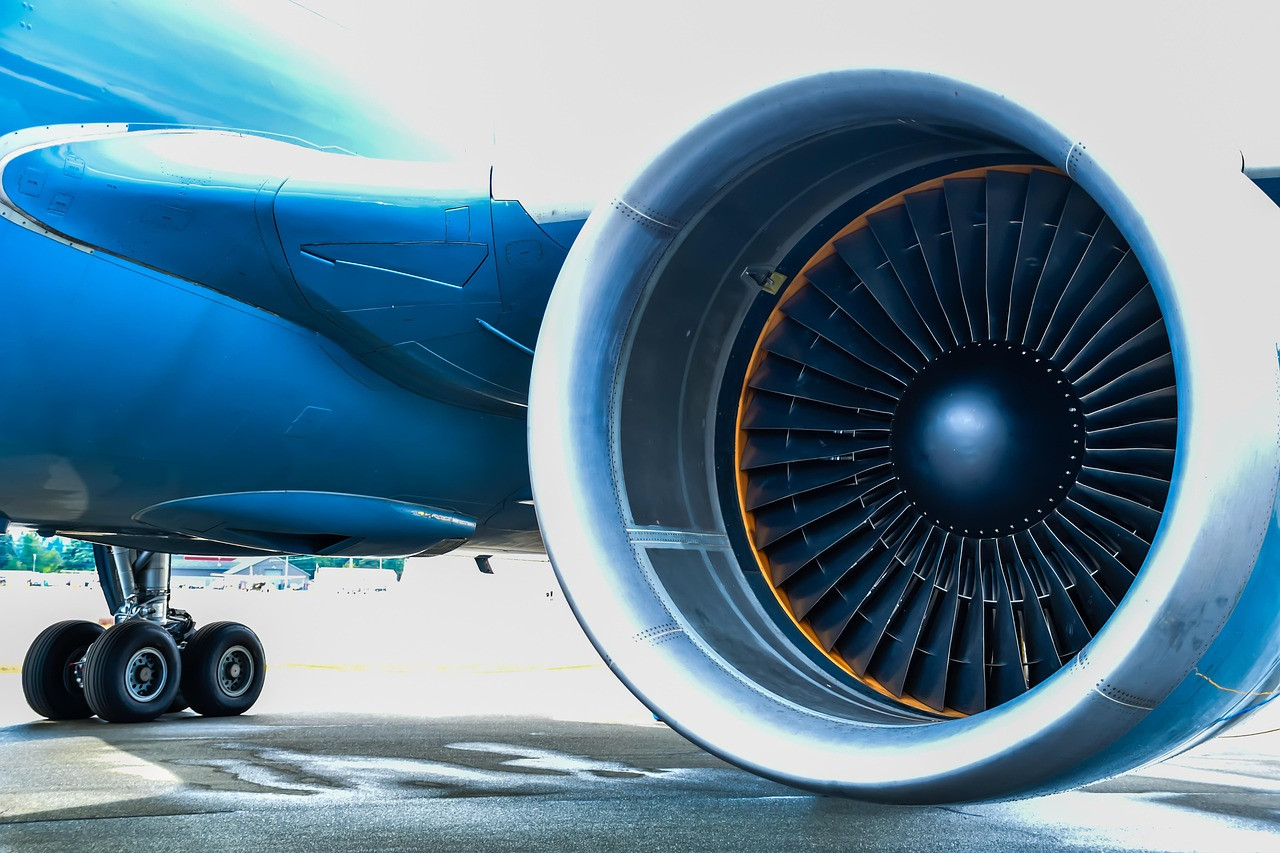
Representative image: dayamay / Pixabay
The UK agreed a framework deal worth up to £2.5 billion on October 28, 2026, to help Rolls-Royce build a new engine for single-aisle jets due in the 2030s.
What Happened
The British government has agreed a framework deal worth up to £2.5 billion, about $3.3 billion, to help Rolls-Royce develop a new engine for narrowbody, or single-aisle, passenger jets, a market the company left more than a decade ago. The support was announced in the UK Budget on Wednesday, October 28, 2026. It takes the form of a jointly funded, ten-year research and technology programme that covers both civil and military engine technology. The government expects the programme to support 3,300 jobs at Rolls-Royce and in its UK supply chain by the end of 2029, though the funding remains subject to legal, value-for-money, affordability and approval processes.
Key Facts
- Deal: a framework agreement worth up to £2.5 billion (about $3.3 billion) between the UK government and Rolls-Royce.
- Announced: in the UK Budget on October 28, 2026.
- Form: a jointly funded, ten-year research and technology programme covering civil and military engine technology.
- Jobs: expected to support 3,300 UK jobs at Rolls-Royce and its supply chain by the end of 2029.
- Conditions: funding is subject to legal, value-for-money, affordability and approval processes.
- Market: Rolls-Royce has been out of the narrowbody engine segment since it sold its stake in International Aero Engines to Pratt & Whitney in 2012.
- Timing: the next generation of narrowbody aircraft is expected to enter service in the mid-to-late 2030s.
- If chosen: should Airbus or Boeing pick the engine, Rolls-Royce would select UK sites for assembly and testing.
Why It Matters
Narrowbody jets, the single-aisle planes such as the Airbus A320 family and the Boeing 737, are the workhorses of world aviation. They fly most short and medium-haul routes, and airlines buy them in far larger numbers than wide-body planes.
Today, that market is dominated by two suppliers: CFM International and Pratt & Whitney. When it sold its stake in the International Aero Engines venture to Pratt & Whitney in 2012, it stepped out of the single-aisle market. This deal is the clearest sign yet that it wants to come back.
The timing is linked to the next generation of aircraft. Airbus and Boeing are expected to launch new single-aisle planes for service in the mid-to-late 2030s, and engine makers need years of research and testing to have a design ready when the planemakers choose. Government support during that research phase lowers the risk for Rolls-Royce and keeps advanced engineering work in Britain.
There are limits to what the deal guarantees. It is a framework, not a cheque: the money still has to pass legal, value-for-money and affordability checks. And the real prize, a place on a new Airbus or Boeing plane, depends on orders that will not be decided for years. Reports on the deal describe it as a long-term bet that depends on orders in the 2030s.
| Item | Detail |
|---|---|
| Support | Up to £2.5 billion (about $3.3 billion) |
| Length | Ten years, jointly funded |
| Scope | Civil and military engine technology |
| Jobs | 3,300 UK jobs by end-2029 (expected) |
| Target market | Engines for next-generation single-aisle jets, mid-to-late 2030s |
Impact
Short-term: The deal gives Rolls-Royce public backing for early research work and signals government support for UK aerospace manufacturing. It does not change the engines on any aircraft flying today.
Long-term: If Rolls-Royce's design is chosen for a new Airbus or Boeing narrowbody, it could reshape a market long split between CFM and Pratt & Whitney, and bring assembly and test work to UK sites. If not, the research will still feed into the civil and military engine technology the programme covers.
Who is affected: Rolls-Royce and its UK suppliers and workers; rival engine makers CFM International and Pratt & Whitney; Airbus and Boeing; airlines that will buy the next generation of single-aisle jets; and UK taxpayers.
Key Takeaway
Britain's up to £2.5 billion framework deal backs Rolls-Royce's bid to return to the narrowbody jet engine market for planes due in the mid-to-late 2030s, but the payoff depends on winning a place on the next Airbus or Boeing.
Questions and Answers
What is the Rolls-Royce £2.5 billion deal?
It is a framework agreement, announced in the UK Budget on October 28, 2026, for a jointly funded ten-year research programme worth up to £2.5 billion to help Rolls-Royce develop a new engine for single-aisle jets.
Why has Rolls-Royce not made narrowbody engines recently?
It left that market in 2012 when it sold its stake in International Aero Engines to Pratt & Whitney. CFM International and Pratt & Whitney now dominate it.
How many jobs will the deal support?
The programme is expected to support 3,300 jobs at Rolls-Royce and its UK supply chain by the end of 2029.
Is the money guaranteed?
No. The funding is subject to legal, value-for-money, affordability and approval processes.
Disclaimer: Prepared by the Peepals newsroom from publicly available sources with AI assistance. Information is accurate to the best of our knowledge at the time of publication and may change. Images may be representative. Not professional advice. Report an error via our contact page.
By Arjun Mehta, Senior Business EditorCovers Start-ups & Opportunities and more for Peepals Business. All stories by Arjun Mehta
UK house price growth slows to 0.5%, weakest since January 2024: Nationwide
Coal India supplies record 70.3 million tonnes in October, output up 19%
Get the day's stories in your inbox
Peepals Weekly: the week decoded, free. One email a week, unsubscribe in one click.
Arjun Mehta is a pen name of the Peepals Global Editorial Team, which researches, fact-checks and publishes every story. The portrait is an illustration.