
Lam Research posts record $8.22 billion revenue; LRCX stock falls 6%
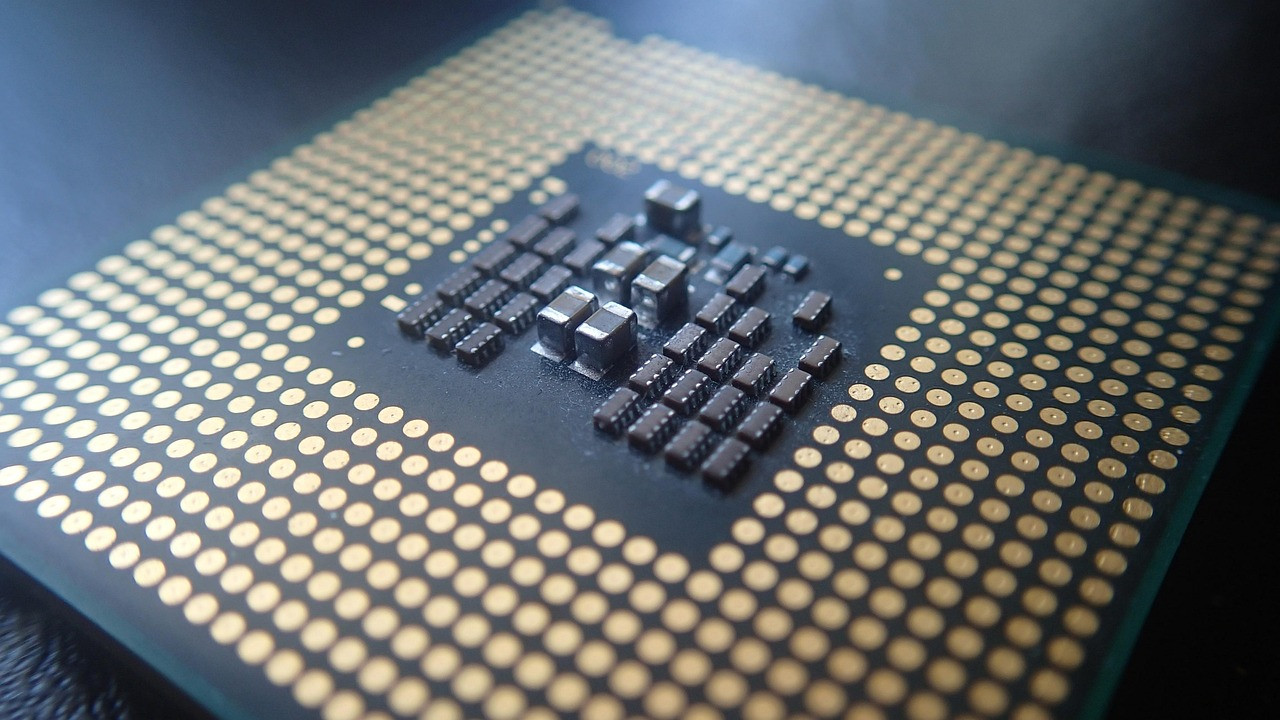
Representative image: TobiasD / Pixabay
Chip-tool maker Lam Research reported record revenue of $8.22 billion on October 21, 2026 and guided to $8.6 billion, but shares fell about 6% after hours.
What Happened
Lam Research, one of the world's largest makers of the machines used to manufacture computer chips, reported record quarterly revenue of $8.22 billion on Wednesday, October 21, 2026, for the quarter ended September 27. Revenue rose 54% from $5.32 billion a year earlier, and the company forecast about $8.6 billion for the December quarter. Despite beating analysts' estimates, LRCX stock fell about 6% in after-hours trading as investors weighed a wide guidance range and the company's warning that supply constraints are limiting how much it can ship.
Key Facts
- Revenue: $8.22 billion for the quarter ended September 27, 2026 (Lam's fiscal first quarter of 2027), up 22% from $6.72 billion in the June quarter and up 54% year on year.
- Earnings: $2.19 a share on a GAAP basis and $2.20 adjusted, against forecasts of about $2.18 a share on revenue of about $8.13 billion.
- Margins: gross margin of 52.4% and operating margin of 40.2%, the first time the operating margin has passed 40%.
- Outlook: December-quarter revenue of $8.6 billion, plus or minus $400 million, and adjusted earnings of $2.33 a share, plus or minus $0.15.
- Market view: Lam expects worldwide spending on wafer fabrication equipment (WFE) in the mid-$150 billion range in 2026 and above $200 billion in 2027, led by DRAM memory, followed by leading-edge logic and NAND memory.
- China: 35% of the quarter's revenue, up from 26% in the June quarter.
- Shares: down about 6% after hours on October 21.
Why It Matters
Chips are made in factories called fabs, which use hundreds of machines to deposit and etch extremely thin layers of material on silicon wafers. Lam makes many of the etching and deposition machines. When chipmakers decide to build more capacity, companies such as Lam see orders first, so their results act as an early signal of where the semiconductor industry is heading.
The message from this quarter is that demand linked to artificial intelligence is still rising quickly. AI servers need large amounts of high-speed memory, and that is why DRAM is expected to lead equipment spending growth in 2027. Lam's forecast for 2026 industry spending has itself risen sharply during the year, and the company says it has visibility of customer plans into 2028. Executives also said they expect 10 new large fabs to come online in 2027.
The constraint is no longer only demand. Lam said clean room space, the dust-free buildings where chip tools are installed, and the supply of certain components will keep limiting chipmakers and equipment makers into 2027, and that it is working with its suppliers to expand their capacity. In other words, the industry may not be able to build as fast as customers want.
The share fall shows how high expectations had become. The stock had risen strongly over the past year, and the December guidance, although above the consensus at its midpoint, spans $8.2 billion to $9.0 billion. Investors often react to the range and the risks around it, not only to the record numbers.
For India, which is trying to build its own chip manufacturing and packaging industry, the numbers show both the scale of global investment and the competition for scarce tools and components. New fabs being planned in India will have to secure equipment in a market where supply is tight.
| Measure | Figure |
|---|---|
| Revenue, September 2026 quarter | $8.22 billion |
| Revenue, September 2025 quarter | $5.32 billion |
| Operating margin | 40.2% |
| December quarter guidance | $8.6 billion, plus or minus $400 million |
| China share of revenue | 35% |
Impact
Short-term: The after-hours fall may weigh on other chip-equipment stocks when markets open. Chipmakers face continued waits for some tools because of component and clean room shortages.
Long-term: If WFE spending passes $200 billion in 2027 as Lam expects, equipment makers and their suppliers will keep expanding, and memory makers will add the most capacity. Countries building new chip industries, including India, will compete for the same tools.
Who is affected: Lam Research shareholders and staff, chipmakers that buy its tools, component suppliers, rival equipment makers, and governments and companies planning new fabs. This report is not investment advice.
Key Takeaway
Lam Research reported record revenue of $8.22 billion for the September 2026 quarter and guided to about $8.6 billion next, but its shares fell about 6% after hours as investors focused on the wide guidance range and supply limits.
Questions and Answers
Why did LRCX stock fall after Lam Research's results?
Lam beat estimates with record revenue of $8.22 billion on October 21, 2026, but shares fell about 6% after hours. Coverage linked the fall to a wide December-quarter guidance range of $8.2 billion to $9.0 billion, supply constraints and high expectations after a strong rise in the stock over the past year.
What is Lam Research's guidance for the December 2026 quarter?
Lam expects revenue of $8.6 billion, plus or minus $400 million, and adjusted earnings of $2.33 a share, plus or minus $0.15.
What does Lam expect for chip equipment spending in 2027?
Lam's preliminary view is that wafer fabrication equipment spending will exceed $200 billion in 2027, up from the mid-$150 billion range it expects in 2026, with DRAM memory leading the growth.
Disclaimer: Prepared by the Peepals newsroom from publicly available sources with AI assistance. Information is accurate to the best of our knowledge at the time of publication and may change. Images may be representative. Not professional advice. Report an error via our contact page.
Sourced and fact-checked by the Peepals Global Editorial Team
Kenya raises farm-gate milk price to Ksh65 a litre, adds quarterly bonus
RBI MPC minutes: two members dissent on tighter stance, cuts ruled out
Reported, fact-checked and published by the Peepals Global Editorial Team.