
Terafab: TSMC wants to run Musk's Texas fab as Intel stays only named partner
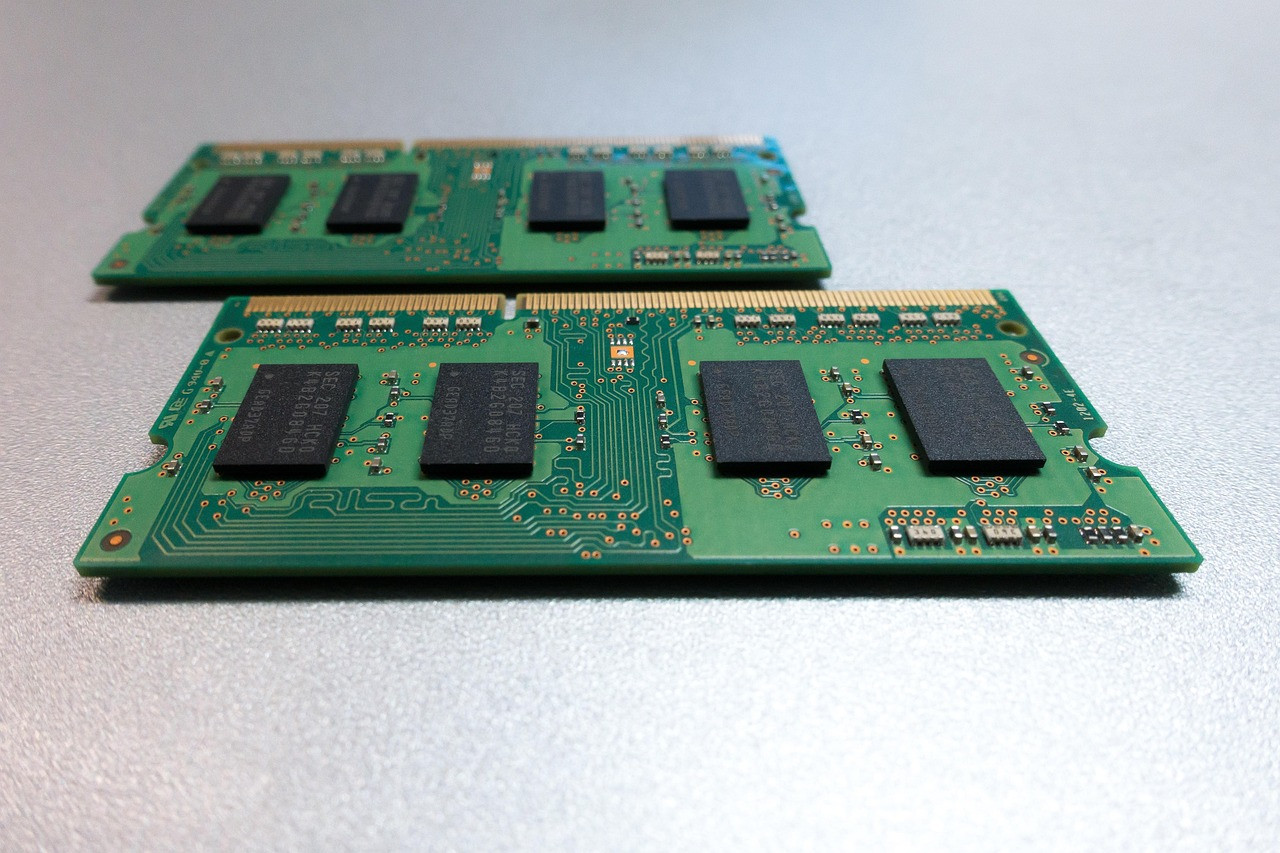
Representative image: stux / Pixabay
Musk's Terafab chip project in Texas has Intel as its only named partner; TSMC confirmed talks on October 15, 2026, but says it must run any fab.
What Happened
Terafab, the giant chip-making project in Texas backed by Elon Musk's companies Tesla, SpaceX and xAI, drew fresh attention this week as reports said Musk had first tried to buy chip plants from Intel, TSMC and Micron before deciding to build his own, and as Musk claimed on October 20, 2026, that Terafab's output would one day rank among the top 20 national economies. The claims come days after TSMC, the world's largest contract chipmaker, confirmed on October 15 that it is in talks about joining the project but insisted that any factory it takes part in "has got to be run by TSMC". Musk has said his side will build and run the plant, with TSMC at most subleasing part of it.
Key Facts
- Project: Terafab, a planned chip-manufacturing complex backed by Tesla, SpaceX and xAI.
- First phase: a plant of about $16.8 billion in Grimes County, Texas, which broke ground in August 2026.
- Intel: the only chipmaker named as a partner so far, having joined in April; Musk has said the project plans to use Intel's 14A process.
- TSMC: chief executive C.C. Wei confirmed talks on the company's October 15 earnings call and said TSMC had sent teams to Texas to study sites, but said TSMC must operate any fab.
- Musk's position: in an October 7 post, he said his side would run the fab and TSMC could at most sublease part of it.
- Unconfirmed report: a Korean outlet reported that Musk first tried to buy plants from Intel, TSMC and Micron; this has not been confirmed by a second source or by the companies.
- Risk: a SpaceX filing says there is no assurance that Terafab will meet its timelines or be completed at all.
Why It Matters
Advanced chips are the engine of artificial intelligence, electric cars and satellites, and almost all of the most advanced ones are made by a handful of companies, led by TSMC in Taiwan. Musk's companies use huge numbers of these chips for self-driving systems, robots, satellites and AI training, and he has said that the expansion plans of existing suppliers fall short of what he needs. Terafab is his answer: a chip plant of his own, so that his companies are not limited by others' capacity.
Building a modern chip factory is one of the hardest tasks in industry. A "fab", short for fabrication plant, needs tens of billions of dollars, ultra-clean rooms, machines that only a few suppliers make, and thousands of specialist engineers. The know-how to run one at high yields, meaning a high share of working chips per silicon wafer, is the reason TSMC is so valuable. That is why its demand to operate any shared fab is central: TSMC protects its manufacturing methods closely and does not want to hand them to a partner, while Musk wants control over the plant his companies are paying for.
The dispute shows the trade-off at the heart of the project. With TSMC running a fab, Terafab would gain proven expertise but lose control. Without TSMC, Musk's team must rely on Intel's newer 14A process and build manufacturing skills of its own, which no newcomer has done quickly. The report that Musk first tried to buy existing plants, if confirmed, would suggest that building from scratch was not his first choice.
For India, which is trying to build its own chip-making industry, the Terafab story is a reminder of how hard it is to enter the business, even with vast money, and of how much bargaining power the few experienced operators hold.
Impact
Short-term: Investors and suppliers will watch whether Tesla, SpaceX and TSMC reach any agreement on who runs the plant. Equipment makers and chemical suppliers may see new orders as the first phase is built.
Long-term: If Terafab succeeds, Musk's companies could secure their own supply of advanced chips and reduce reliance on Asia. If it fails or slips, the companies will remain dependent on existing chipmakers, and the billions invested could be at risk, as the SpaceX filing warns.
Who is affected: Tesla, SpaceX and xAI and their shareholders; Intel and TSMC; chip-equipment suppliers; workers and communities in Grimes County, Texas; and other countries, including India, trying to build chip industries.
Key Takeaway
Elon Musk's Terafab chip project in Texas has Intel as its only named chip partner, while TSMC says it will join only if it runs the fab, and a report that Musk first tried to buy existing plants remains unconfirmed.
Questions and Answers
What is Terafab?
Terafab is a chip-manufacturing project backed by Tesla, SpaceX and xAI. Its first phase is a plant of about $16.8 billion in Grimes County, Texas, which broke ground in August 2026.
Is TSMC joining Elon Musk's Terafab?
TSMC confirmed on October 15, 2026, that it is in talks, but its chief executive, C.C. Wei, said any fab it takes part in must be run by TSMC. Musk has said his side will run the plant and TSMC could at most sublease part of it. No agreement has been announced.
Did Elon Musk try to buy chip plants from Intel, TSMC and Micron?
A Korean outlet reported that he did before deciding to build Terafab, but the report has not been confirmed by the companies or by a second source.
Which chipmaker is already a Terafab partner?
Intel is the only chipmaker named as a partner. It joined in April 2026, and Musk has said the project plans to use Intel's 14A manufacturing process.
Disclaimer: Prepared by the Peepals newsroom from publicly available sources with AI assistance. Information is accurate to the best of our knowledge at the time of publication and may change. Images may be representative. Not professional advice. Report an error via our contact page.
Sourced and fact-checked by the Peepals Global Editorial Team
IREDA share price in focus: Q2 profit flat at Rs 554 crore, frauds disclosed
GE Aerospace raises 2026 outlook on 49% order jump, but shares slip
Reported, fact-checked and published by the Peepals Global Editorial Team.