
RBI rejects every bid at Rs 23,000 crore T-bill auction; yields climb

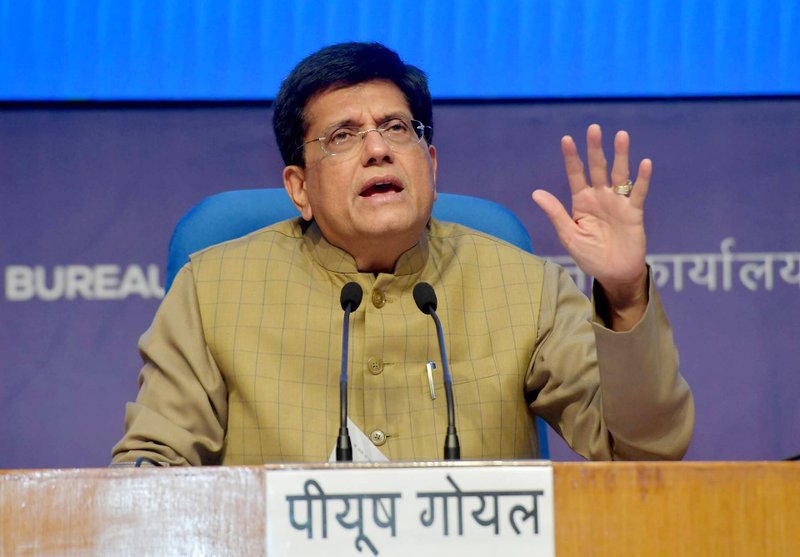
Representative image: rupixen / Pixabay
The RBI rejected every bid at its Rs 23,000 crore Treasury bill auction on October 21, 2026, despite ample demand, as the 10-year yield rose to about 7.44%.
What Happened
The Reserve Bank of India (RBI) rejected all bids at its Treasury bill auction on Wednesday, October 21, 2026, in which the government had planned to borrow Rs 23,000 crore for 91, 182 and 364 days. Investors had bid for more than the amount on offer in every maturity, but no bills were sold and no cut-off yields were announced. The auction came as the benchmark 10-year government bond yield rose to about 7.44%, up around 40 basis points in a month.
Key Facts
- Planned borrowing: Rs 23,000 crore, made up of Rs 8,000 crore in 91-day bills, Rs 8,000 crore in 182-day bills and Rs 7,000 crore in 364-day bills.
- Demand: competitive bids of about Rs 15,367 crore for 91-day bills, about Rs 18,925 crore for 182-day bills and about Rs 11,352 crore for 364-day bills, all above the notified amounts.
- Outcome: all competitive and non-competitive bids were rejected; no cut-off or weighted average yield was published.
- Bond market: the 10-year government bond yield rose to about 7.44%, around 40 basis points higher over the past month and about 90 basis points higher over the past year, according to market data.
- Reason: the RBI's auction results did not give one; a dealer quoted in one report suggested the central bank was unwilling to accept the higher yields bidders sought.
- Liquidity: money in the banking system has tightened sharply, largely because of tax-related outflows, according to market reports.
Why It Matters
Treasury bills are short-term loans to the government, repaid within a year. The RBI runs the auctions on the government's behalf every week. Normally the bills are sold at whatever interest rate the bids imply. When the RBI rejects all bids even though demand is ample, the usual reading in the market is that the rates investors asked for were higher than the government and the central bank were willing to pay. Rejecting the bids is a way of telling the market that the authorities think short-term borrowing costs have risen too far.
The move comes at a tense time for Indian interest rates. The RBI raised its repo rate to 5.50% this month and signalled that cuts are unlikely soon. Oil prices are high, the rupee has been weak, and inflation forecasts have been raised. In that setting, investors have been demanding higher yields, and the 10-year bond yield has climbed sharply. A higher government borrowing cost feeds into rates across the economy, because banks and companies price their loans and bonds off government yields.
For households and businesses, rising yields usually mean that loan rates stay high or rise further, while new deposits and debt fund investments may earn more. For the government, it means a higher cost of financing its spending. By skipping this auction, the government avoids locking in expensive short-term money for now, but it will need to borrow again, and markets will watch the next weekly auction to see whether the RBI accepts bids at somewhat lower rates.
| Maturity | Amount notified | Competitive bids received |
|---|---|---|
| 91-day | Rs 8,000 crore | About Rs 15,367 crore |
| 182-day | Rs 8,000 crore | About Rs 18,925 crore |
| 364-day | Rs 7,000 crore | About Rs 11,352 crore |
Impact
Short-term: Short-term money market rates and bond yields will be watched closely in the coming days. The rejection may calm the rise in short-term yields if traders read it as a signal from the RBI, or it may add to uncertainty if liquidity stays tight.
Long-term: If yields keep rising, government borrowing costs will increase and banks may pass higher rates on to borrowers. If the RBI eases liquidity or yields stabilise, later auctions should clear normally.
Who is affected: The central government, banks, mutual funds and other bond investors, companies that raise money through bonds, and households with floating-rate loans or debt investments. This report is not investment advice.
Key Takeaway
The RBI rejected every bid at its Rs 23,000 crore Treasury bill auction on October 21, 2026 despite strong demand, as the 10-year government bond yield climbed to about 7.44% amid tight liquidity.
Questions and Answers
Why did the RBI reject all Treasury bill bids on October 21, 2026?
The RBI did not give a reason. Bids exceeded the Rs 23,000 crore on offer, so market participants read the move as a sign that the yields bidders wanted were higher than the authorities were willing to accept.
What are Treasury bills?
They are short-term government borrowings that mature in 91, 182 or 364 days. The RBI auctions them each week on behalf of the central government.
What is India's 10-year bond yield now?
The benchmark 10-year government bond yield rose to about 7.44% around October 21, 2026, roughly 40 basis points higher than a month earlier, according to market data.
Disclaimer: Prepared by the Peepals newsroom from publicly available sources with AI assistance. Information is accurate to the best of our knowledge at the time of publication and may change. Images may be representative. Not professional advice. Report an error via our contact page.
Sourced and fact-checked by the Peepals Global Editorial Team
Mach9 raises $34 million for AI that drafts civil engineering drawings
Vectorial raises $3 million to test products on AI-simulated customers
Reported, fact-checked and published by the Peepals Global Editorial Team.