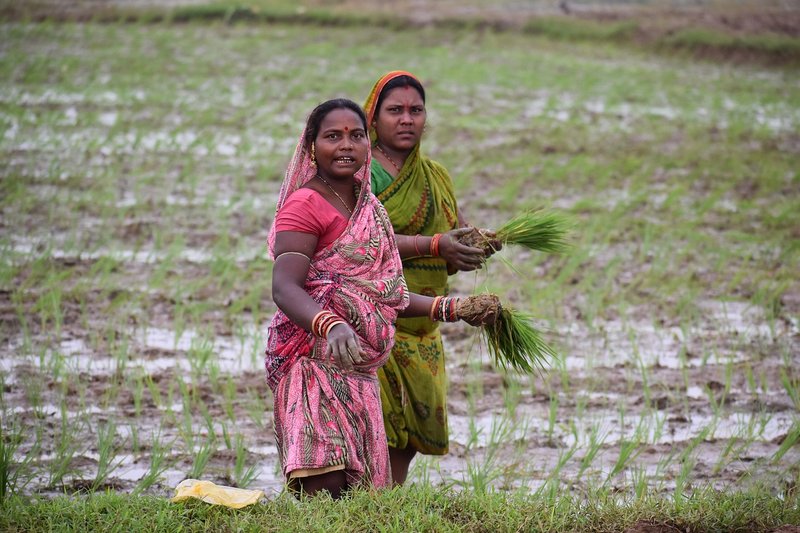

Kenya raises farm-gate milk price to Ksh65 a litre, adds quarterly bonus
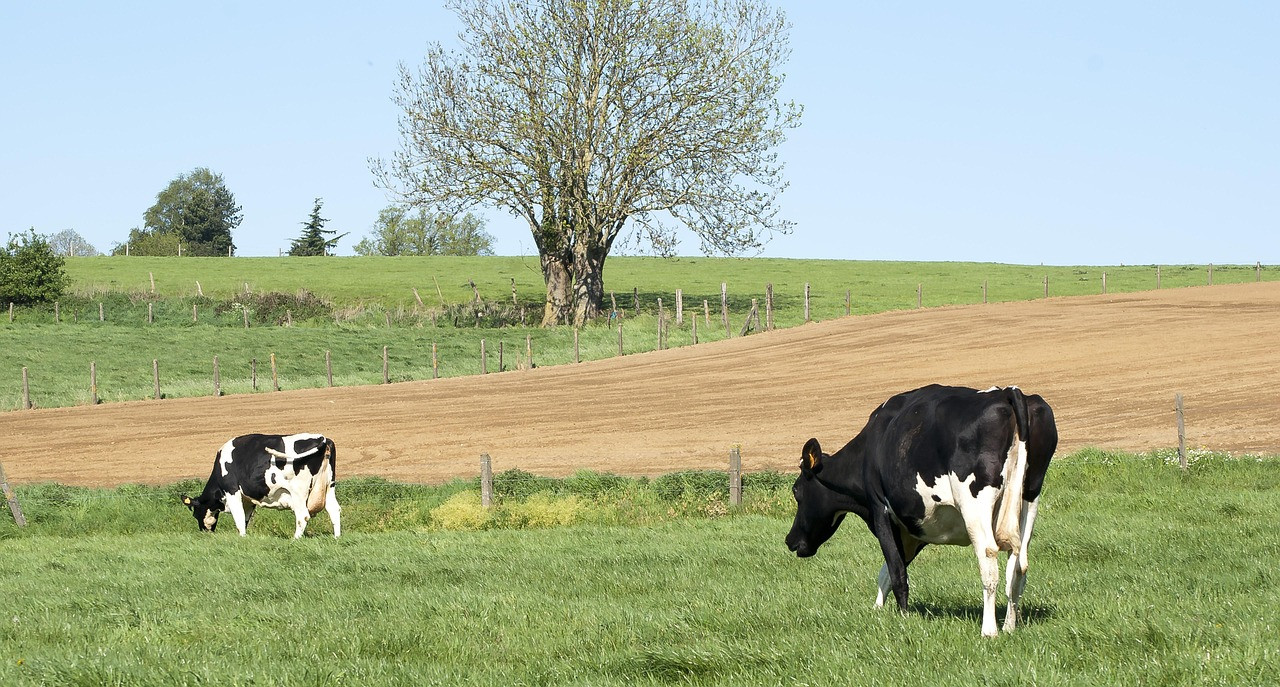
Representative image: dendoktoor / Pixabay
Kenya's President William Ruto said on October 20, 2026 that dairy farmers will be paid Ksh65 a litre from October, up from Ksh60, plus a Ksh2 a litre quarterly bonus.
What Happened
Kenya's President William Ruto announced on Tuesday, October 20, 2026 that dairy farmers will be paid Ksh65 for every litre of milk from this month, up from Ksh60, together with a bonus of Ksh2 per litre paid every quarter. He made the announcement at the national Mashujaa Day (Heroes' Day) celebrations in Eldoret. He also said the government would clear about Ksh400 million owed to farmers who supply the state-owned processor New KCC by the end of October, and that farmers should in future be paid before the fifth day of each month.
Key Facts
- New farm-gate price: Ksh65 a litre from October 2026, up from Ksh60, an increase of about 8.3%.
- A bonus of Ksh2 a litre will be paid to farmers every quarter, according to most reports.
- About Ksh400 million in arrears owed to New KCC suppliers is to be cleared by the end of October, the President said.
- Farmers are to be paid before the fifth day of every month to stop arrears building up.
- Ruto said the price had risen from about Ksh35 in the past, and claimed national milk production had grown by one billion litres.
- Processors are short of raw milk because of high animal-feed costs and dry weather, according to reports, and it is not clear whether the higher price will be passed on to consumers.
Why It Matters
The farm-gate price is what a farmer is paid for milk at the point of collection, before it is processed, packed and sold. For small dairy farmers, who may keep only a few cows, it decides whether dairying covers the cost of feed, veterinary care and labour. Late payment is often as damaging as a low price, because farmers need cash every month to feed their animals.
Kenya's announcement combines both issues: a higher price, a regular bonus, a promise to clear old dues and a monthly payment deadline. The pledges were tied to New KCC, the state-owned processor, whose role in Eldoret's dairy industry the President highlighted.
The move also comes with risks. Processors already face a shortage of raw milk, and paying farmers more raises their costs. Analysts quoted in Kenyan media have questioned whether this will push up retail prices for consumers. The announcement was also made in a political setting, alongside other promises such as tax relief, ahead of the 2027 election, so how the price is funded and kept up will be watched.
For Indian readers, the story is familiar. In India, dairy cooperatives and state milk federations set procurement prices for farmers and, from time to time, raise them, and governments often add per-litre incentives. The same balance applies everywhere: higher prices help farmers but can raise what households pay, unless the gap is covered by subsidies or better efficiency in collection and processing. Kenya's approach of a fixed price, a quarterly bonus and a payment deadline offers one model for keeping small dairy farmers in business.
| Item | Detail |
|---|---|
| New price | Ksh65 a litre from October 2026 |
| Previous price | Ksh60 a litre |
| Bonus | Ksh2 a litre, paid quarterly |
| Arrears | About Ksh400 million, to be cleared by end-October |
| Payment rule | Before the fifth day of each month |
Impact
Short-term: Farmers supplying New KCC should receive higher payments from October and clearance of arrears by the end of the month, if the government meets its pledge. Private processors may raise their own prices to compete for milk.
Long-term: A steady price and regular payments could encourage farmers to stay in dairy and invest in feed and better animals, raising production. But if processors cannot recover the higher costs, retail milk prices may rise or processors may come under financial strain.
Who is affected: Kenyan dairy farmers, New KCC and private milk processors, consumers who buy packaged milk, and the government, which must fund the arrears and back the higher price.
Key Takeaway
Kenya will pay dairy farmers Ksh65 a litre from October 2026 plus a quarterly bonus and has promised to clear old dues, but the cost may reach consumers if processors cannot absorb it.
Questions and Answers
What is Kenya's new milk price for farmers?
President William Ruto announced on October 20, 2026 that dairy farmers will be paid Ksh65 a litre from October 2026, up from Ksh60, plus a Ksh2 a litre bonus paid every quarter.
What did Ruto promise about unpaid dues?
He said about Ksh400 million owed to farmers who supply New KCC would be paid by the end of October 2026, and that farmers should be paid before the fifth day of each month in future.
Will milk become more expensive for consumers in Kenya?
It is not yet clear. Processors already face a raw-milk shortage and high costs, and analysts have questioned whether the higher farm-gate price will be passed on to shoppers.
What is a farm-gate price?
It is the price paid to a farmer for produce at the point of sale or collection, before processing, transport and retail mark-ups are added.
Disclaimer: Prepared by the Peepals newsroom from publicly available sources with AI assistance. Information is accurate to the best of our knowledge at the time of publication and may change. Images may be representative. Not professional advice. Report an error via our contact page.
Sourced and fact-checked by the Peepals Global Editorial Team
Reported, fact-checked and published by the Peepals Global Editorial Team.