
UK inflation October 2026 rises to 3.6% as fuel prices jump 33.2%
 By Neha KapoorEconomy Correspondent, Peepals Business
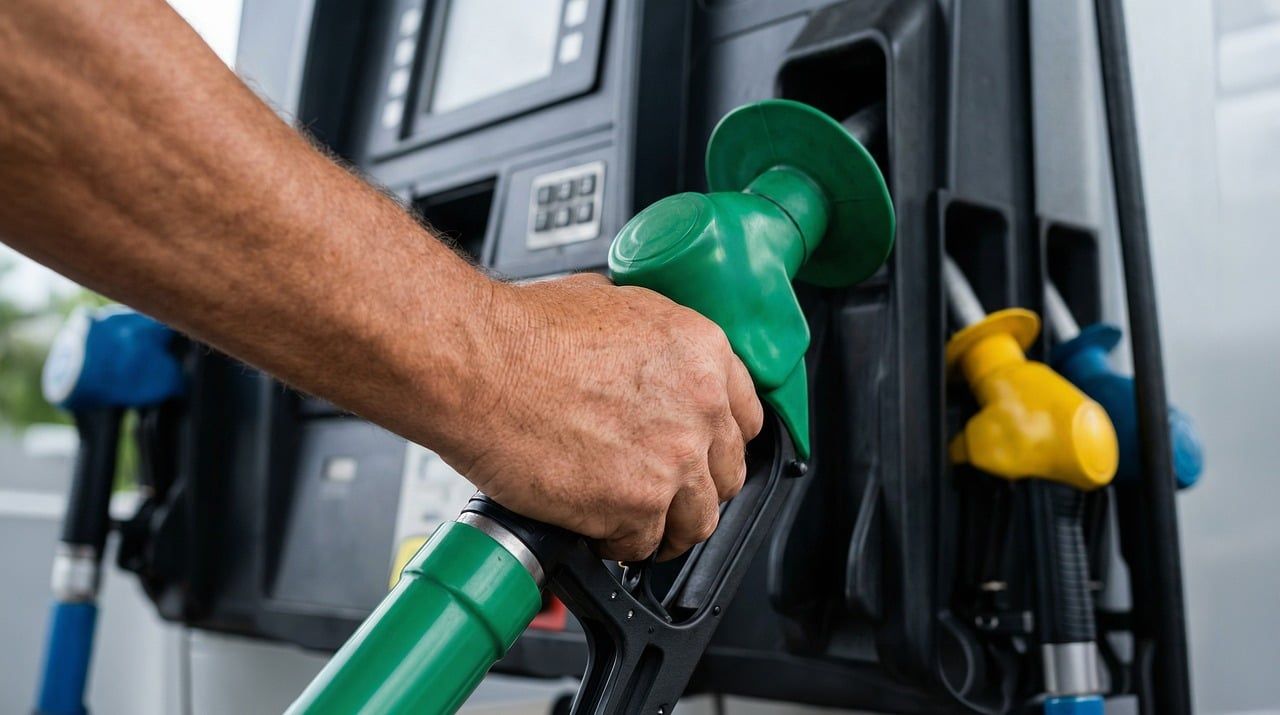
Representative image: erwinbosman / Pixabay
UK inflation rose to 3.6% in October 2026, the ONS said on 18 November, as motor fuel prices climbed 33.2% in a year; core inflation held at 2.8%.
UK inflation: what happened
Consumer price inflation in the United Kingdom rose to 3.6% in the 12 months to October 2026, up from 3.5% in September, the Office for National Statistics (ONS) said on Wednesday, 18 November 2026. The increase was driven mainly by motor fuel, whose prices were 33.2% higher than a year earlier, the biggest annual rise since July 2022, along with changes to tobacco duty and higher household energy costs. Core inflation, which leaves out energy, food, alcohol and tobacco, stayed at 2.8%, and services inflation held at 3.7%.
UK inflation: key facts
- Headline CPI: 3.6% in the year to October 2026, up from 3.5% in September.
- Motor fuels: up 33.2% year on year, the largest annual rise since July 2022.
- Other upward pressures: tobacco duty changes and household energy prices.
- Core CPI: unchanged at 2.8%.
- Services inflation: unchanged at 3.7%; goods inflation rose to 3.5% from 3.2%.
- CPIH, which adds owner-occupiers' housing costs: 3.7%, up from 3.6%.
- Some economists had forecast a rate as high as 3.8%, so the rise was smaller than the highest expectations.
UK inflation: why it matters
The UK figures are one more sign of how a rise in oil prices is feeding into everyday costs across economies. Diesel prices reached a record high in Britain, and fuel is now the single biggest reason prices are rising faster. Because fuel costs pass into transport, deliveries and food, a fuel shock usually spreads into other prices over the following months.
For the Bank of England, the details are mixed. Its target is 2%, and headline inflation is now well above it. But core inflation, which strips out volatile items such as energy and food, did not rise, and services inflation, which tracks wage-driven price pressures closely, held steady. That suggests much of the increase comes from fuel and tax changes rather than from a broad rise in prices across the economy, which is the kind of distinction central banks look at when deciding whether to raise or hold interest rates.
For Indian readers, the UK data matters in three ways. Britain is one of India's important trading partners and home to a large Indian diaspora whose living costs are directly affected. Higher inflation and interest rates in rich economies can also pull investment money away from emerging markets such as India. And the fuel-led pattern in Britain is the same pressure that India faces as an oil importer: when crude prices rise, fuel costs climb at home as well, so British data gives an early read on how such shocks move through an economy.
Peepals calculation: Headline inflation of 3.6% is 1.8 times the Bank of England's 2% target (3.6 ÷ 2 = 1.8). The gap between headline (3.6%) and core (2.8%) inflation is 0.8 percentage points, which is the extra pressure coming from energy, food, alcohol and tobacco. Goods inflation rose by 0.3 points (3.5 − 3.2) while services stayed flat, showing that the October rise came from goods such as fuel. Our calculation from the reported figures.
| Measure | September 2026 | October 2026 |
|---|---|---|
| CPI (headline) | 3.5% | 3.6% |
| Core CPI | 2.8% | 2.8% |
| Services | 3.7% | 3.7% |
| Goods | 3.2% | 3.5% |
| CPIH | 3.6% | 3.7% |
UK inflation: impact
Short-term: UK households face higher costs at the pump and on energy bills going into winter, and businesses that rely on transport face higher costs.
Long-term: If fuel prices stay high, they are likely to feed into food and other goods, keeping headline inflation above target for longer.
Who is affected: UK households and businesses, the Bank of England as it sets interest rates, Indian exporters to Britain, and Indian students and workers living in the UK.
UK inflation: key takeaway
The October rise came from fuel and tax changes while core prices held steady, so readers tracking UK rates and the pound should watch whether fuel costs start to push up core and services inflation in the coming months.
UK inflation: questions and answers
What is the UK inflation rate for October 2026?
The ONS said consumer price inflation was 3.6% in the 12 months to October 2026, up from 3.5% in September.
Why did UK inflation rise in October 2026?
The main reason was motor fuel, whose prices rose 33.2% over the year. Tobacco duty changes and household energy costs also added to the rise.
What is core inflation, and did it change?
Core inflation excludes energy, food, alcohol and tobacco to show underlying price pressure. It stayed unchanged at 2.8% in October.
What is CPIH?
CPIH is a broader UK measure that adds the housing costs of people who own their homes. It rose to 3.7% in October from 3.6%.
Disclaimer: Prepared by the Peepals newsroom from publicly available sources with AI assistance. Information is accurate to the best of our knowledge at the time of publication and may change. Images may be representative. Not professional advice. Report an error via our contact page.
By Neha Kapoor, Economy CorrespondentCovers Economy and more for Peepals Business. All stories by Neha Kapoor
Recove Ventures raises Rs 56.25 crore to expand plastic recycling plants
Watrana Rentals IPO opens: Rs 232-245 band, Rs 120 crore SME issue
Your week ahead, every Sunday. Free.
Exam and result dates, IPOs opening, scheme deadlines, government holidays and the RBI decision for the next 7 days, plus the week's top stories. One email a week, unsubscribe in one click.
Neha Kapoor is a pen name of the Peepals Global Editorial Team, which researches, fact-checks and publishes every story. The portrait is an illustration.
Responsible for this story: the Peepals Global Editorial Team, led by editor Prashant Sonar. How we report