
Taiwan short-selling ban from November 23 after Taiex's worst week since 1991
 By Rohit SharmaMarkets Analyst, Peepals Business
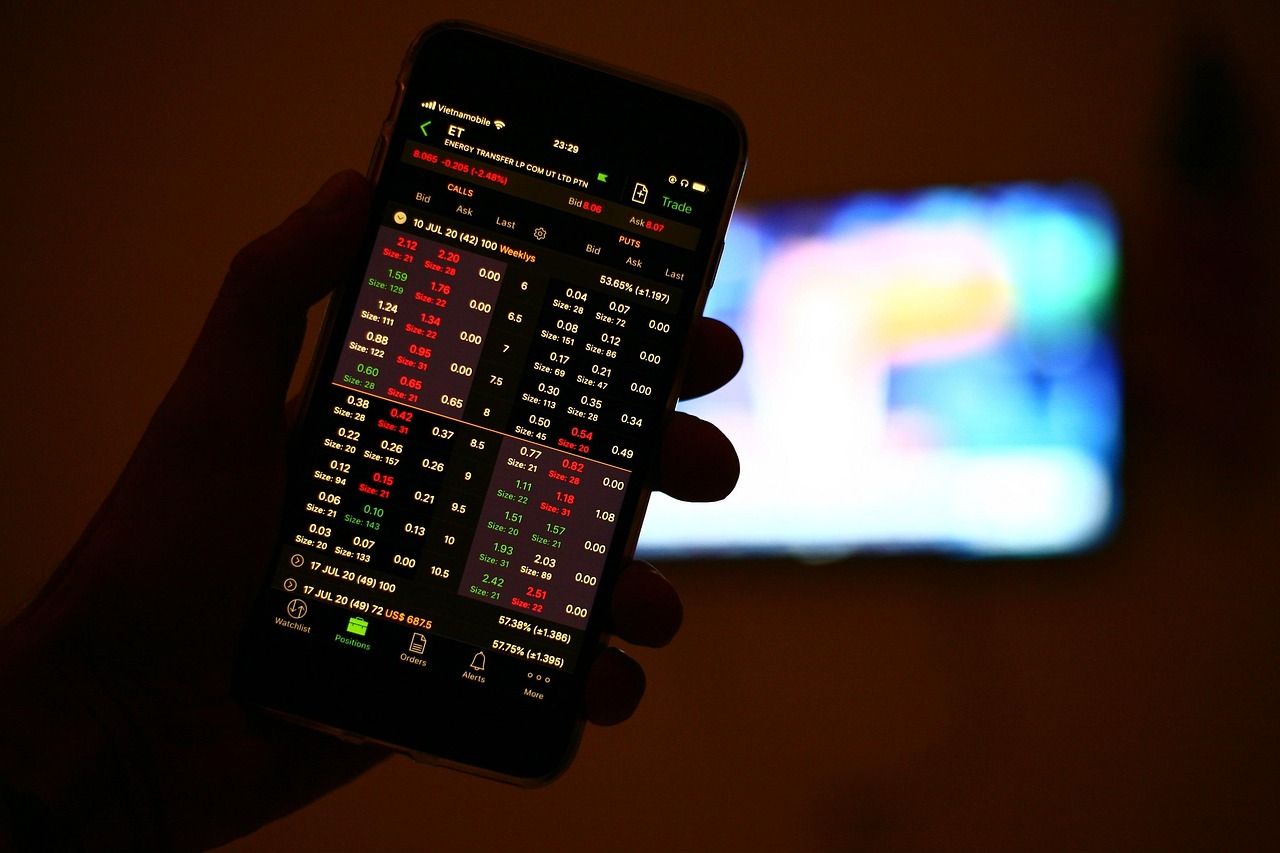
Representative image: sergeitokmakov / Pixabay
Taiwan's FSC said on 21 November 2026 it will ban all short sales below the prior close from 23 November, after the Taiex fell about 17.5% in a week.
Taiwan short-selling ban: what happened
Taiwan's Financial Supervisory Commission (FSC), the island's market regulator, said in a statement on Saturday, 21 November 2026 that it will ban short sales of shares below the previous day's closing price for all stocks from Monday, 23 November. The move follows the worst week for Taiwan's main share index, the Taiex, since 1991. The index fell 6.2% on Friday, 20 November, to close at 36,033.29, and lost about 17.5% over the week as investors sold technology and AI-chip shares across Asia.
Taiwan short-selling ban: key facts
- New rule: no short sales below the prior session's close, covering both margin short sales and sales of borrowed shares, from Monday, 23 November.
- Margin for short positions raised to 150% from 130%.
- Applications from securities firms to issue new put warrants, products that gain when prices fall, have been halted for now.
- Lenders are encouraged to stop lending out shares temporarily; trades by securities and futures firms to hedge their business are exempt.
- An earlier, narrower curb announced on Thursday, 19 November had applied the prior-close ban only to stocks that had fallen 3.5% or more, from 20 November.
- Taiwan Semiconductor Manufacturing Company (TSMC) fell 4.76% on Friday to NT$2,000, a seven-month low.
- Elsewhere on Friday, South Korea's KOSPI closed 5.2% lower at 4,869.96 and Japan's Nikkei 225 fell 5.1% to 56,436.65.
Taiwan short-selling ban: why it matters
Short selling is a bet that a share will fall: the trader borrows shares, sells them, and hopes to buy them back later at a lower price. Regulators often restrict it during sharp falls because it can add selling pressure when markets are already falling fast. A rule that bans short sales below the last closing price means a trader can only short a stock at a price at or above where it ended the day before, which stops short sellers from pushing prices lower during the session.
The FSC's step goes well beyond its own measure of two days earlier. On 19 November it applied the curb only to shares that had dropped 3.5% or more; after Friday's fall it widened the ban to every stock and added higher margin rules. Raising the margin means a short seller must now put up more money as security. Halting new put warrants removes another popular way to bet on further falls.
The rout is linked to a global sell-off in AI-related shares. Taiwan is especially exposed because technology companies, led by chipmaker TSMC, make up most of the value of its stock market. When investors pull money from AI chip stocks, the Taiex falls further than broader markets. Neighbouring markets with large chip companies, South Korea and Japan, also fell more than 5% on the same day.
For Indian investors, the episode matters mainly through funds. Indian investors who hold Asian or global technology funds can have exposure to TSMC and other Taiwanese chipmakers, and those holdings feel the fall directly. The episode is also a live test of a familiar question for market regulators everywhere: whether limiting short sales calms trading or only delays the fall in prices.
Peepals calculation: A 17.5% weekly fall to 36,033.29 means the Taiex started the week at about 43,677 (36,033.29 ÷ 0.825), a loss of roughly 7,640 points in five sessions. Friday's 6.2% drop alone took off about 2,380 points from a Thursday close of about 38,415 (36,033.29 ÷ 0.938). TSMC's 4.76% fall to NT$2,000 implies a previous close of about NT$2,100. The new margin rule means a short seller needs NT$150 of security for every NT$100 shorted instead of NT$130, about 15% more (150 ÷ 130 ≈ 1.15). Our calculation from the reported figures.
| Market | Friday close, 20 November | Change on the day |
|---|---|---|
| Taiex (Taiwan) | 36,033.29 | −6.2% |
| KOSPI (South Korea) | 4,869.96 | −5.2% |
| Nikkei 225 (Japan) | 56,436.65 | −5.1% |
| TSMC share | NT$2,000 | −4.76% |
Taiwan short-selling ban: impact
Short-term: Trading in Taipei on Monday, 23 November will be the first test of the blanket ban. Short sellers will find it harder and costlier to bet against Taiwanese shares, which may slow selling but can also reduce trading volume.
Long-term: If the AI sell-off continues, curbs on short selling cannot by themselves stop prices falling, since ordinary selling is not restricted. How long the FSC keeps the measures will show how worried it is about market stability.
Who is affected: Investors in Taiwanese shares and in Asian technology funds, including Indian investors with global fund holdings; brokers and securities lenders in Taiwan; and companies in the AI chip supply chain.
What to watch next: the first session under the blanket ban on Monday, 23 November.
Taiwan short-selling ban: key takeaway
If you hold Asian or global technology funds, check how much they have in Taiwanese chip shares, and watch Monday's trading in Taipei for whether the ban steadies prices.
Taiwan short-selling ban: questions and answers
What is Taiwan's new short-selling ban?
From Monday, 23 November 2026, no stock can be sold short below the previous day's closing price, whether through margin accounts or borrowed shares. Hedging by securities and futures firms is exempt.
Why did the Taiex fall so much this week?
Investors sold AI and chip-related shares across Asia. Technology stocks make up most of Taiwan's market, so the Taiex fell about 17.5% in the week, its worst since 1991.
What else did Taiwan's regulator change?
It raised the margin required for short positions to 150% from 130%, halted applications for new put warrants, and encouraged lenders to stop lending shares for now.
Did other Asian markets fall too?
Yes. On Friday, 20 November, South Korea's KOSPI fell 5.2% and Japan's Nikkei 225 fell 5.1%.
Disclaimer: Prepared by the Peepals newsroom from publicly available sources with AI assistance. Information is accurate to the best of our knowledge at the time of publication and may change. Images may be representative. Not professional advice. Report an error via our contact page.
By Rohit Sharma, Markets AnalystCovers Markets Watch and more for Peepals Business. All stories by Rohit Sharma
Maharashtra rabi sowing at 14.74 lakh hectares, below 1972 drought year
Palo Alto Networks buys Applied Compute for $4.5 billion in stock
Your week ahead, every Sunday. Free.
Exam and result dates, IPOs opening, scheme deadlines, government holidays and the RBI decision for the next 7 days, plus the week's top stories. One email a week, unsubscribe in one click.
Rohit Sharma is a pen name of the Peepals Global Editorial Team, which researches, fact-checks and publishes every story. The portrait is an illustration.
Responsible for this story: the Peepals Global Editorial Team, led by editor Prashant Sonar. How we report