
NPPA caps trade margins on 137 cancer drugs from November 9
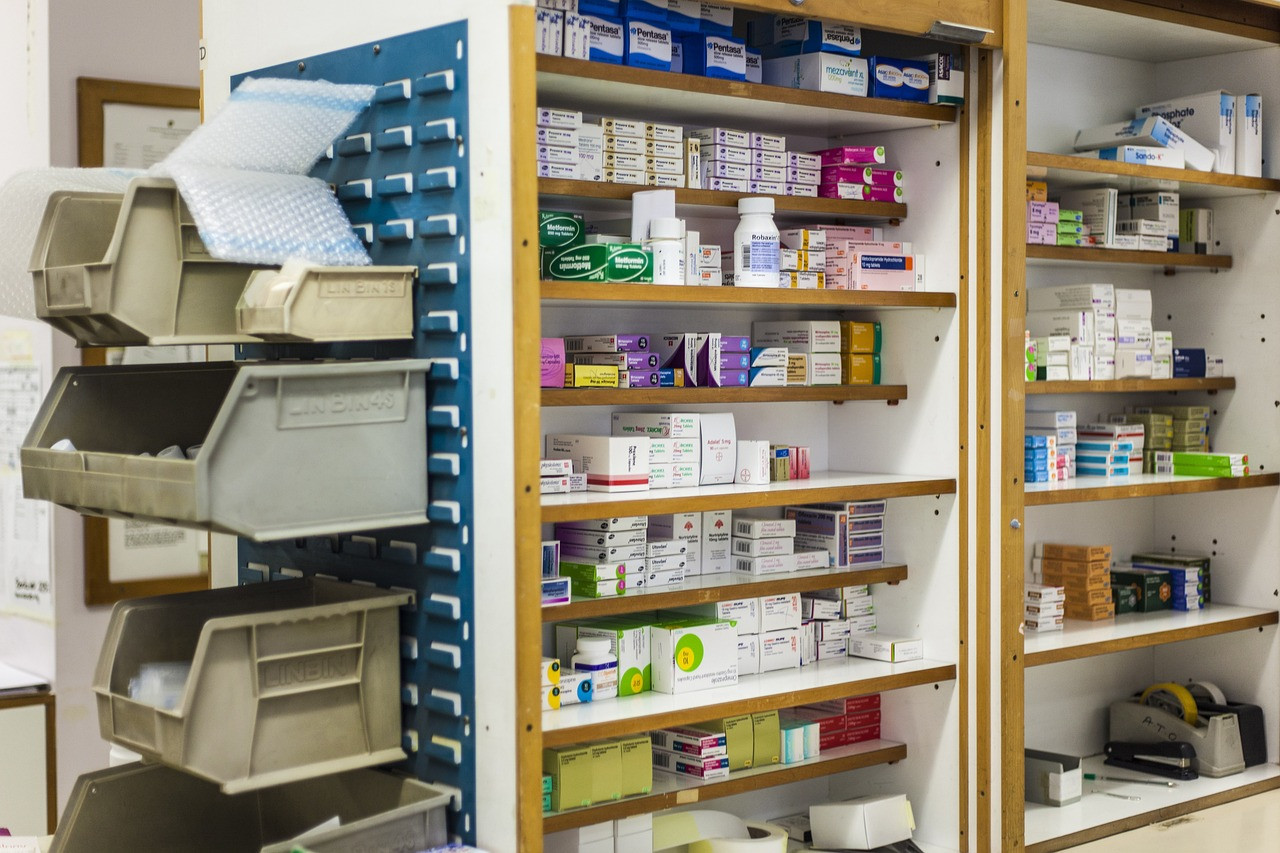
Representative image: Hayleybarcar / Pixabay
NPPA capped trade margins on 137 anti-cancer drugs at 30% on October 17, 2026; prices may fall up to 70% from November 9.
What Happened
India's drug price regulator has capped the trade margin on 137 anti-cancer medicines at 30%, a move the government expects to cut the retail price of some of these drugs by as much as 70%. The National Pharmaceutical Pricing Authority (NPPA) issued the order through a Gazette notification on October 17, 2026, and the new prices will take effect on November 9, 2026. Drug makers have seven days from the notification to tell the authority their revised maximum retail prices (MRPs). The cap covers non-scheduled formulations that contain any of the 137 listed drugs, alone or in combination, in any strength or form, including patented medicines.
Key Facts
- Regulator: National Pharmaceutical Pricing Authority (NPPA), using Paragraph 19 of the Drugs (Prices Control) Order, 2013.
- Medicines covered: 137 anti-cancer drugs, including pembrolizumab, durvalumab, osimertinib, denosumab, pegfilgrastim and bevacizumab.
- The rule: the trade margin, the gap between what distributors pay and what patients pay, can be no more than 30% of the MRP excluding GST.
- In mark-up terms, that equals a maximum of about 42.86% over the price to stockist or distributor.
- Dates: notification on October 17, 2026; revised prices from November 9, 2026; companies to report new MRPs within seven days.
- Expected effect: MRP cuts of up to 70%, depending on how high each product's current margin is.
- Precedent: a 2019 pilot on 42 cancer drugs lowered MRPs of 526 brands by up to 90%.
Why It Matters
Cancer treatment is one of the heaviest health costs an Indian family can face, and much of it is paid out of pocket. Many newer cancer medicines, especially the biologic and targeted drugs on this list, are sold at prices where the chain of distributors, stockists and retailers adds a large mark-up between the factory and the patient. Trade margin rationalisation does not set a fixed price for each drug. Instead, it limits how much that chain can add. Where margins were very wide, prices will fall steeply; where they were already modest, the change will be small.
This is why the government's figure is "up to" 70%, not a flat cut. A drug sold to distributors at a price close to its MRP will barely change; one with a wide gap between the two could fall sharply. The 2019 pilot gives a sense of the possible scale: when margins on 42 cancer drugs were capped, the MRPs of 526 brands fell by as much as 90%.
For the economy, the order is a targeted price control rather than a broad one. It touches a narrow, high-value segment of the medicines market, and it moves money from the trade channel to patients and insurers. Hospital pharmacies, which earn part of their income from medicines sold to in-patients, may see lower revenue on these drugs. Shares of several hospital chains and drug makers, including Max Healthcare, Apollo Hospitals, Sun Pharma and Dr Reddy's, traded lower after the announcement, according to market reports. Analysts have pointed out that a cap on trade margins does not automatically reduce what manufacturers earn, since it targets the mark-up after the drug leaves the factory.
There are practical questions still to be answered. Companies will need to re-label or re-price stock already in the supply chain before November 9, and the regulator will need to monitor compliance across thousands of pharmacies. Patients will feel the benefit only if retailers pass on the lower MRPs in full.
| Item | Detail |
|---|---|
| Drugs covered | 137 anti-cancer medicines (non-scheduled formulations) |
| Margin cap | 30% of MRP excluding GST |
| Effective date | November 9, 2026 |
| Expected MRP fall | Up to 70%, product by product |
| 2019 pilot | 42 drugs; 526 brands cut by up to 90% |
Impact
Short-term: From November 9, patients buying these medicines should pay less, in some cases far less. Drug companies, distributors and retailers must adjust prices and stock within weeks, and hospital chains may see a dent in pharmacy income.
Long-term: Lower prices could help more patients finish full courses of treatment and reduce the strain on family savings and health insurance. If the approach works, the government may extend trade margin caps to other high-cost medicines, as it has now done after the 2019 pilot.
Who is affected: Cancer patients and their families, health insurers, hospital pharmacies, chemists and distributors, and pharmaceutical companies that sell these drugs in India.
Key Takeaway
From November 9, 2026, trade margins on 137 cancer medicines are capped at 30%, which the government expects to cut some retail prices by up to 70% for patients.
Questions and Answers
Which cancer drugs will become cheaper from November 9, 2026?
The NPPA order covers 137 anti-cancer drugs, alone or in combination and in any strength or form, including pembrolizumab, durvalumab, osimertinib, denosumab, pegfilgrastim and bevacizumab.
How much will cancer drug prices fall?
The government expects MRPs to fall by up to 70%, but the actual cut depends on each product. Drugs with wide trade margins will fall the most; those with small margins may change little.
What does a 30% trade margin cap mean?
It means the difference between the price paid by the distributor and the MRP, excluding GST, cannot be more than 30% of the MRP. That equals a mark-up of about 42.86% over the distributor's price.
Has the government done this before?
Yes. In 2019, a pilot capped margins on 42 anti-cancer drugs, and the MRPs of 526 brands fell by up to 90%.
Disclaimer: Prepared by the Peepals newsroom from publicly available sources with AI assistance. Information is accurate to the best of our knowledge at the time of publication and may change. Images may be representative. Not professional advice. Report an error via our contact page.
Sourced and fact-checked by the Peepals Global Editorial Team
Stellantis starts building Chinese partner Leapmotor's B10 electric SUV in Spain
Pakistan cane farmers seek PKR 700 per 40 kg, threaten November protests
Reported, fact-checked and published by the Peepals Global Editorial Team.