
India-New Zealand FTA takes effect: zero duty on all Indian exports
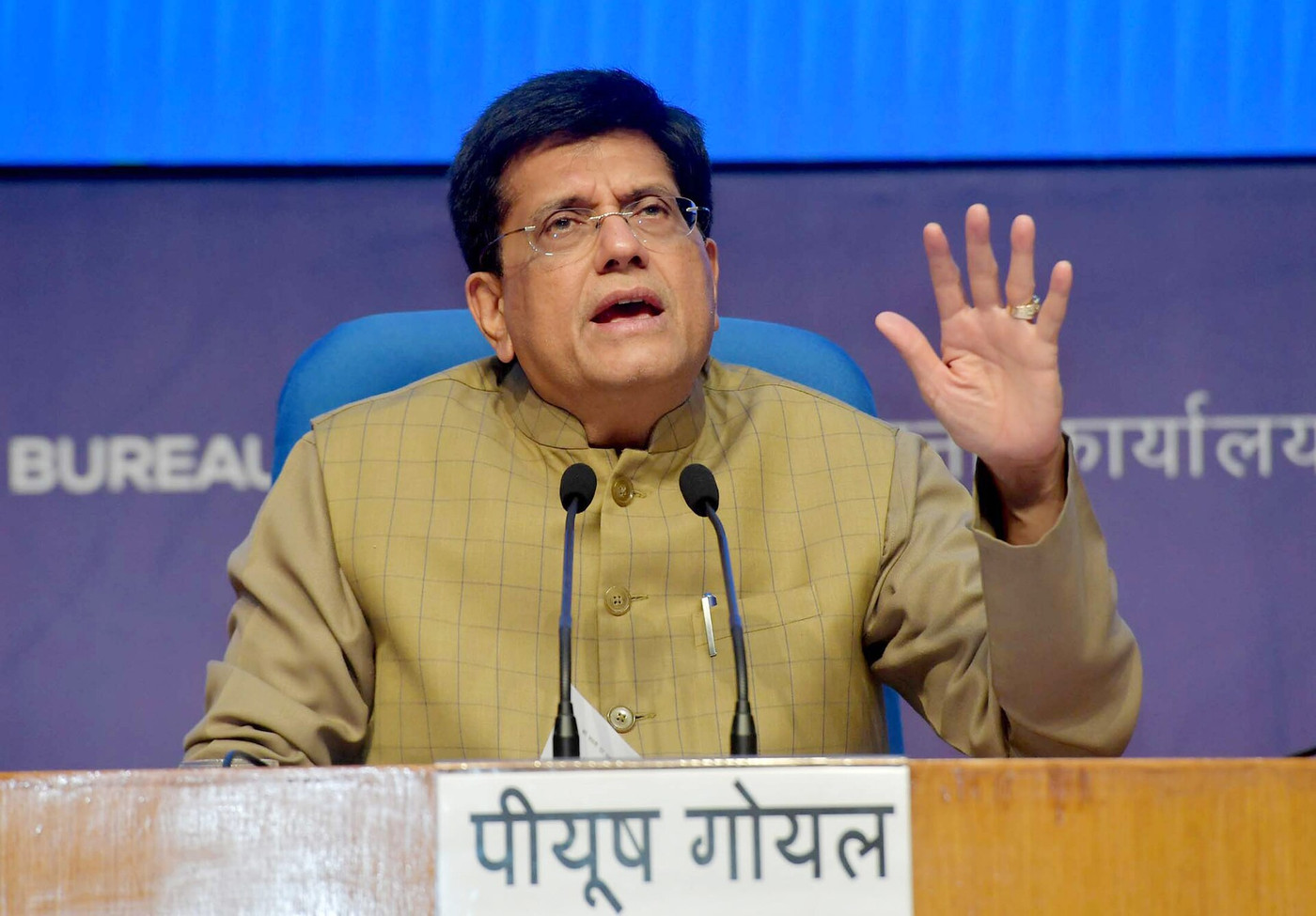
File photo: Ministry of Commerce and Industry (India) (GODL-India), via Wikimedia Commons
The India-New Zealand free trade agreement takes effect on October 20, 2026, giving all Indian goods duty-free entry to New Zealand while India shields dairy and farm items.
What Happened
The free trade agreement between India and New Zealand came into force at 12.01 am on Tuesday, October 20, 2026, giving every Indian export duty-free entry into New Zealand from the first day. Commerce and Industry Minister Piyush Goyal announced the start on October 19 and flagged off the first shipment under the pact, a JCB mini excavator made in Pune, Maharashtra. In return, India is cutting or removing duties on most New Zealand goods, but it has kept dairy and several farm products out of the deal.
Key Facts
- The agreement took effect at 12.01 am on October 20, 2026.
- New Zealand removes duties on all tariff lines for Indian goods from day one; the government describes it as India's first trade agreement to give complete duty-free access across all lines from the date it starts.
- India offers duty concessions on about 70% of its tariff lines, covering roughly 95% of the current value of trade between the two countries.
- Dairy products, onions, pulses, corn, almonds, sugar, edible oils, precious metals, jewellery, and copper and aluminium products are excluded from India's concessions.
- Imports of apples, kiwifruit, manuka honey and albumins from New Zealand come under duty-based quotas, with minimum import prices and other safeguards.
- New Zealand has committed to channel about $20 billion of investment into India over 15 years.
- A new temporary employment visa will allow up to 5,000 skilled Indian professionals to work in New Zealand for up to three years.
- Goyal named textiles, apparel, leather, footwear, engineering goods, pharmaceuticals, processed food and marine products as the main beneficiaries.
Why It Matters
A free trade agreement is a treaty in which two countries cut the import taxes, or tariffs, they charge on each other's goods, and often ease rules on services, investment and the movement of workers. New Zealand is a small market of about five million people, and trade between the two countries has been modest, at roughly $2.4 billion a year in goods and services. But the deal matters beyond its size.
For Indian exporters, the attraction is certainty. With every product line at zero duty from the first day, a garment maker in Tiruppur or a footwear unit in Agra can price goods for New Zealand buyers without waiting years for duties to fall in stages, as happens under many trade pacts. Labour-intensive industries, which employ large numbers of workers and compete with rivals from Bangladesh, Vietnam and China, stand to gain most if they can win orders.
For Indian farmers, the key point is what India left out. New Zealand is one of the world's biggest dairy exporters, and Indian dairy cooperatives and farm groups have long opposed opening the market to its milk powder and butter. By excluding dairy entirely and limiting fruit such as apples and kiwifruit through quotas and minimum prices, the government is trying to open export markets without exposing small farmers to cheaper imports. This approach is likely to be a template for India's other negotiations, including with larger dairy and farm exporters.
The deal also goes beyond goods. The 5,000-visa quota for skilled professionals, the $20 billion investment commitment and provisions promoting India's AYUSH traditional medicine systems give it a services and investment side that India has pushed for in recent agreements. The two governments aim to roughly double bilateral trade by 2030.
| Item | India's side | New Zealand's side |
|---|---|---|
| Duty cuts | About 70% of tariff lines | All tariff lines, from day one |
| Excluded or protected | Dairy, onions, pulses, sugar, edible oils, metals | None for Indian goods |
| Quotas | Apples, kiwifruit, manuka honey, albumins | Not applicable |
| Other | 5,000 professional visas for Indians | About $20 billion investment pledge over 15 years |
Impact
Short-term: Indian exporters can ship to New Zealand at zero duty from October 20 by using the preferential certificate of origin required under the agreement. New Zealand goods covered by India's concessions may become cheaper for Indian buyers as duties fall.
Long-term: If the investment pledge and visa route are used fully, the deal could deepen links in education, technology, food processing and health services. Its handling of dairy and farm goods is likely to shape India's approach in larger negotiations.
Who is affected: Indian exporters of textiles, leather, footwear, engineering goods, pharmaceuticals, processed food and seafood; skilled professionals and students looking to work in New Zealand; Indian dairy and apple farmers, who remain protected; and importers of New Zealand goods.
Key Takeaway
From October 20, every Indian product enters New Zealand duty-free, while India has kept dairy and key farm goods out of the deal and protected fruit growers with quotas.
Questions and Answers
When does the India-New Zealand FTA come into force?
At 12.01 am on Tuesday, October 20, 2026. From that moment, all Indian goods can enter New Zealand without customs duty under the agreement.
Will New Zealand dairy products become cheaper in India?
No. Dairy is fully excluded from India's tariff concessions, along with onions, pulses, corn, almonds, sugar, edible oils and some metals and jewellery.
Which Indian industries benefit most?
According to Commerce Minister Piyush Goyal, labour-intensive sectors such as textiles, apparel, leather, footwear, engineering goods, pharmaceuticals, processed food and marine products.
Does the agreement help Indians who want to work in New Zealand?
Yes. It creates a temporary employment visa for up to 5,000 skilled Indian professionals, allowing stays of up to three years, according to the government's description of the deal.
Disclaimer: Prepared by the Peepals newsroom from publicly available sources with AI assistance. Information is accurate to the best of our knowledge at the time of publication and may change. Images may be representative. Not professional advice. Report an error via our contact page.
Sourced and fact-checked by the Peepals Global Editorial Team
Agri Welfare Portal upgraded: farmers can apply for schemes by phone
Cane protests stall crushing in north Karnataka; CM Shivakumar writes to PM
Reported, fact-checked and published by the Peepals Global Editorial Team.