
Cyclone Arnab: Odisha announces up to Rs 22,500 a hectare for farmers
 By Neha KapoorEconomy Correspondent, Peepals Business
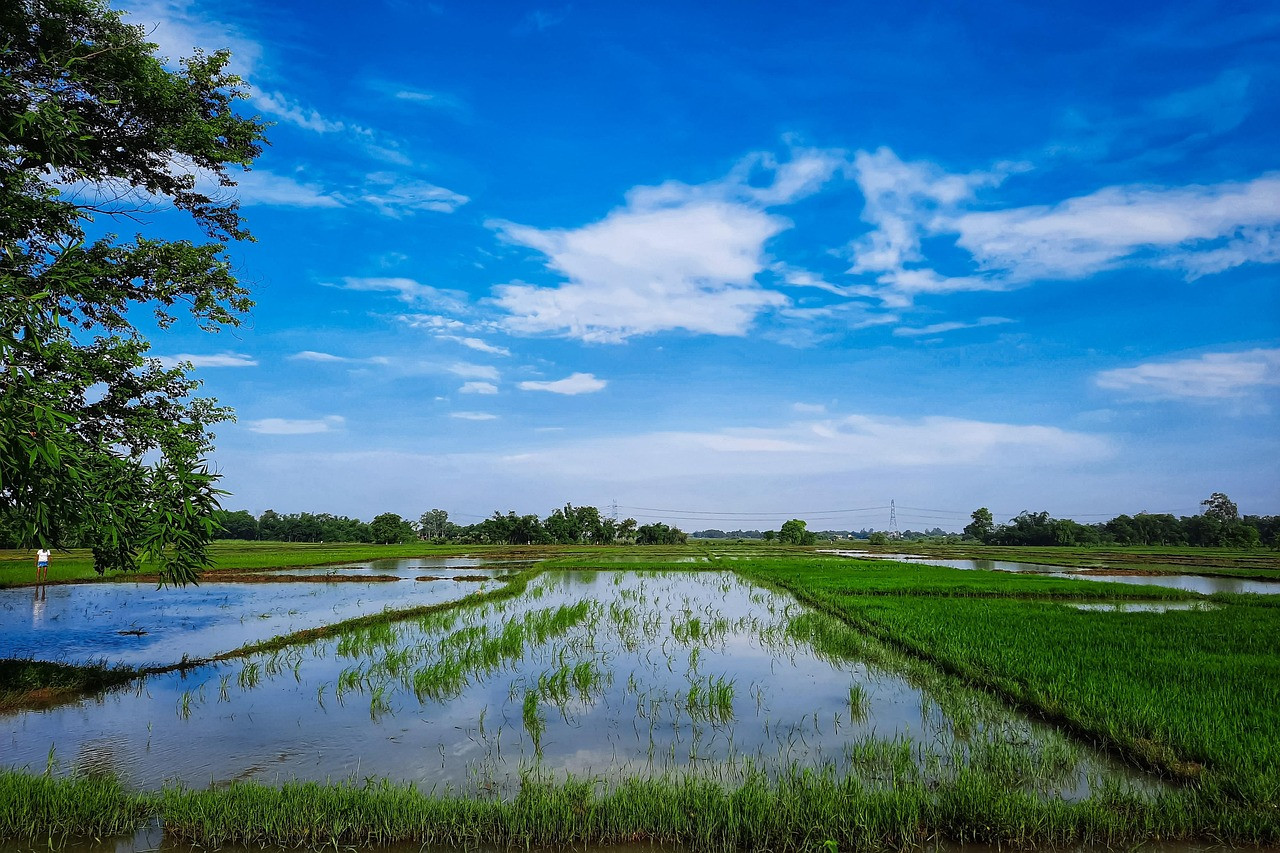
Representative image: intezaralam / Pixabay
Odisha announced a Cyclone Arnab relief package on 1 November 2026, with input subsidies of Rs 8,500 to Rs 22,500 a hectare for farmers who lost 33% or more of their crop.
What Happened
The Odisha government announced a special assistance package on Sunday, 1 November 2026, for families and farmers hit by Cyclone Arnab. Chief Minister Mohan Charan Majhi's package gives farmers who lost 33% or more of their crop an input subsidy of Rs 8,500 a hectare for unirrigated land, Rs 17,000 for irrigated land and Rs 22,500 for perennial crops, for up to two hectares. Affected families will get 50 kg of rice and Rs 2,500 in cash. A Central inter-ministerial team is visiting the state from 2 to 4 November to assess the damage.
Key Facts
- Input subsidy for crop loss of 33% or more: Rs 8,500 a hectare (unirrigated), Rs 17,000 (irrigated), Rs 22,500 (perennial crops), for a maximum of two hectares per farmer.
- Rs 18,000 a hectare to remove sand and silt deposited on farmland.
- A 75% subsidy on pesticides and bio-pesticides for the 2026-27 rabi (winter) season.
- 1.75 lakh free mini kits of seeds and inputs for farmers.
- Faster crop insurance settlement, and eligible short-term crop loans to be converted into medium-term loans.
- Fish farmers: assistance of up to 75%, at a rate of Rs 1.12 lakh a hectare.
- Affected families: 50 kg of rice and Rs 2,500 in cash.
- An eight-member Central inter-ministerial team will tour Odisha from 2 to 4 November; its findings will guide central help.
Why It Matters
Cyclone Arnab struck the east coast in late October, just as paddy, the main kharif (monsoon-season) crop in Odisha, was nearing harvest. Heavy rain, strong winds and flooding flattened standing crops and buried fields under sand and silt. For farmers who had spent months and money on that crop, the loss came at the worst possible moment.
The package is designed around what a farmer needs to restart. The input subsidy is meant to help pay for seeds, fertiliser and labour for the next crop, not to replace the full value of the lost harvest. The 33% threshold means only farmers with substantial damage qualify, and the two-hectare cap focuses help on small and marginal farmers.
Two measures address the longer tail of the disaster. Money for clearing sand and silt matters because a field buried under sand cannot be sown until it is cleared. Converting short-term crop loans into medium-term loans gives farmers more time to repay, so a lost harvest does not immediately push them into default and cut them off from fresh credit for the rabi season.
The subsidy on pesticides for the rabi season and the free mini kits aim to get the next crop in the ground quickly. Fish farmers, whose ponds can be wiped out by floods, get separate help.
What comes next depends partly on the Centre. The inter-ministerial team's assessment will decide how much support the state receives from national disaster funds, which can add to what Odisha spends from its own budget.
Odisha's Cyclone Arnab package for farmers Measure | Amount or detail Unirrigated crop loss (33% or more) | Rs 8,500 a hectare, up to 2 ha Irrigated crop loss | Rs 17,000 a hectare, up to 2 ha Perennial crops | Rs 22,500 a hectare, up to 2 ha Sand and silt removal | Rs 18,000 a hectare Rabi pesticides | 75% subsidy Affected families | 50 kg rice and Rs 2,500
Impact
Short-term: Affected farmers can expect input subsidies and help with sowing the rabi crop, while families get food grain and cash. Crop insurance claims are to be settled faster.
Long-term: Loan restructuring and support for clearing fields should help farmers recover over the next season, but the full cost of the cyclone will become clearer after the Central team's assessment.
Who is affected: Paddy and other crop farmers, sugarcane and perennial crop growers, fish farmers, rural families in cyclone-hit districts, and banks and insurers handling crop loans and claims.
What farmers should do: Make sure crop loss is recorded in the official damage survey, keep land and crop records ready, and contact the local agriculture office or bank about insurance claims and loan conversion.
Key Takeaway
Odisha's Cyclone Arnab package offers farmers with heavy crop losses Rs 8,500 to Rs 22,500 a hectare, a 75% rabi pesticide subsidy and loan relief, as a Central team assesses the damage from 2 to 4 November.
Questions and Answers
How much will Odisha farmers get for Cyclone Arnab crop loss?
Farmers with 33% or more crop loss get Rs 8,500 a hectare for unirrigated land, Rs 17,000 for irrigated land and Rs 22,500 for perennial crops, for up to two hectares.
What help is there for fields covered in sand?
The state will pay Rs 18,000 a hectare to remove sand and silt from farmland.
What do affected families receive?
50 kg of rice and Rs 2,500 in cash, under the package announced on 1 November 2026.
Will the Centre also help?
An eight-member Central inter-ministerial team is assessing the damage in Odisha from 2 to 4 November. Its findings will guide central assistance.
Disclaimer: Prepared by the Peepals newsroom from publicly available sources with AI assistance. Information is accurate to the best of our knowledge at the time of publication and may change. Images may be representative. Not professional advice. Report an error via our contact page.
By Neha Kapoor, Economy CorrespondentCovers Economy and more for Peepals Business. All stories by Neha Kapoor
Salesforce to buy military logistics software firm Rune Technologies
Poundland moves towards administration with up to 12,000 UK jobs at risk
Get the day's stories in your inbox
Peepals Weekly: the week decoded, free. One email a week, unsubscribe in one click.
Neha Kapoor is a pen name of the Peepals Global Editorial Team, which researches, fact-checks and publishes every story. The portrait is an illustration.