
Cyclone Arnab: central team tours Andhra; loss put at Rs 4,764 crore
 By Neha KapoorEconomy Correspondent, Peepals Business

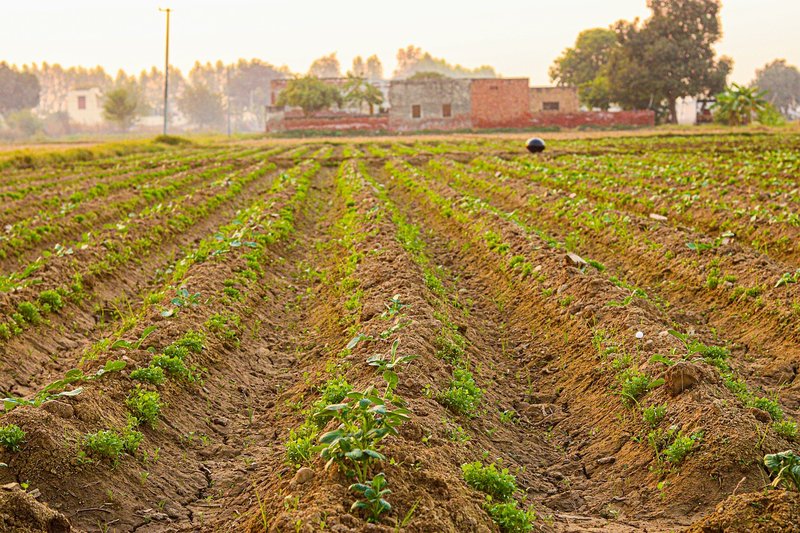
Representative image: ybernardi / Pixabay
A central team began touring Cyclone Arnab-hit Andhra districts on October 31, 2026; the state puts losses at Rs 4,764 crore and crop damage to 4.63 lakh farmers.
What Happened
A seven-member Inter-Ministerial Central Team began touring the districts of Andhra Pradesh hit by Cyclone Arnab on Saturday, October 31, 2026, as the state put its preliminary estimate of the damage at Rs 4,764 crore across 12 districts. The team, led by a joint secretary of the Union Home Ministry, is visiting Konaseema, Kakinada, East Godavari and West Godavari districts over two days and will meet farmers in the field before reporting to the Centre. According to the state's figures, crops of 4.63 lakh farmers were damaged on 3.52 lakh hectares. A separate central team from the Agriculture Ministry is due to examine drought in four Rayalaseema districts on November 2 and 3.
Key Facts
- The Inter-Ministerial Central Team has seven members and is led by a joint secretary of the Union Home Ministry.
- It started its field visits on Saturday, October 31, 2026, and is touring for two days.
- Districts covered: Dr B.R. Ambedkar Konaseema, Kakinada, East Godavari and West Godavari, with Konaseema and West Godavari among the worst hit.
- Andhra Pradesh's preliminary damage estimate: Rs 4,764 crore across 12 districts, a figure the Chief Minister has said could rise after detailed assessment.
- Farm losses, as per the state: crops of 4.63 lakh farmers damaged over 3.52 lakh hectares.
- A second central team, from the Agriculture Ministry, is to assess kharif 2026 drought conditions in Sri Sathya Sai, Anantapur, Kurnool and Nandyal districts on November 2 and 3.
Why It Matters
Cyclone Arnab made landfall near Yanam and Kakinada in late October, flooding paddy fields in the Godavari delta just as the kharif crop was ready or nearly ready for harvest. The timing made the losses heavier: a crop lost close to harvest takes with it the full season's investment in seed, fertiliser, labour and irrigation.
The central team's visit is the formal step that decides how much help the state gets from the Centre. Under India's disaster relief system, a state facing a severe disaster submits a memorandum of its losses; an inter-ministerial team then checks the damage on the ground, and its report is the basis on which the Centre releases additional funds. The difference between the state's estimate and what the team verifies often determines how much farmers finally receive as input subsidy and how quickly. That is why the team's field-level meetings with farmers matter: they test the state's numbers against what growers say they lost.
The two visits together also show the strain on Andhra Pradesh's farm economy this season. Coastal districts were flooded by a cyclone while Rayalaseema districts in the south-west are being assessed for drought. That means relief needs at both ends of the weather spectrum in the same season.
| Item | Cyclone Arnab team | Drought team |
|---|---|---|
| Ministry leading | Union Home Ministry | Union Agriculture Ministry |
| Dates | October 31 to November 1 | November 2 and 3 |
| Districts | Konaseema, Kakinada, East Godavari, West Godavari | Sri Sathya Sai, Anantapur, Kurnool, Nandyal |
| State's figures | Rs 4,764 crore loss; 3.52 lakh hectares of crops | Kharif 2026 drought assessment |
Impact
Short-term: The team's report will feed into the Centre's decision on additional assistance for Andhra Pradesh. Farmers in the delta districts are waiting for crop-loss enumeration to be completed so that input subsidy and any insurance claims can be processed. The state has indicated its own figure may still go up.
Long-term: Repeated losses from cyclones on the coast and drought in the interior raise the case for stronger crop insurance coverage, faster harvesting and drying support in cyclone season, and storage that keeps harvested grain safe from rain. The delta's farmers will also be looking at whether they can plant the next crop on time once fields drain.
Who is affected: About 4.63 lakh farmers whose crops were damaged, according to the state; farm labourers and rice millers in the Godavari delta; households in Konaseema and West Godavari dealing with wider damage, including to power infrastructure; farmers in the four Rayalaseema districts awaiting the drought assessment; and the state government, which is seeking central help.
Key Takeaway
A central team is now checking Cyclone Arnab's toll on the ground in Andhra Pradesh, where the state estimates Rs 4,764 crore of damage and crop loss to 4.63 lakh farmers, and its report will decide how much central relief follows.
Questions and Answers
What is the central team doing in Andhra Pradesh after Cyclone Arnab?
A seven-member Inter-Ministerial Central Team led by a Union Home Ministry joint secretary began touring Konaseema, Kakinada, East Godavari and West Godavari districts on October 31, 2026, to verify the damage and meet farmers, before reporting to the Centre.
How much damage has Cyclone Arnab caused in Andhra Pradesh?
The state's preliminary estimate is Rs 4,764 crore across 12 districts, with crops of 4.63 lakh farmers damaged on 3.52 lakh hectares. The Chief Minister has said the figure could rise after a detailed assessment.
Why is a drought team also visiting Andhra Pradesh?
A separate Agriculture Ministry team is to assess kharif 2026 drought conditions in Sri Sathya Sai, Anantapur, Kurnool and Nandyal districts on November 2 and 3, as these interior districts face a shortage of rain while the coast was flooded.
When will farmers get compensation?
No date has been announced. The central team will submit its report after its visits, and the Centre decides on additional assistance on that basis; the state processes input subsidy for affected farmers after crop-loss enumeration.
Disclaimer: Prepared by the Peepals newsroom from publicly available sources with AI assistance. Information is accurate to the best of our knowledge at the time of publication and may change. Images may be representative. Not professional advice. Report an error via our contact page.
By Neha Kapoor, Economy CorrespondentCovers Economy and more for Peepals Business. All stories by Neha Kapoor
Windfall tax: petrol exports duty-free, diesel and ATF levies raised
World Bank: India's extreme poverty fell from 27.1% to 2.6% in 2011-23
Get the day's stories in your inbox
Peepals Weekly: the week decoded, free. One email a week, unsubscribe in one click.
Neha Kapoor is a pen name of the Peepals Global Editorial Team, which researches, fact-checks and publishes every story. The portrait is an illustration.