

Hormuz: Iran says two tankers hit mines, raising oil supply risks
 By Neha KapoorEconomy Correspondent, Peepals Business
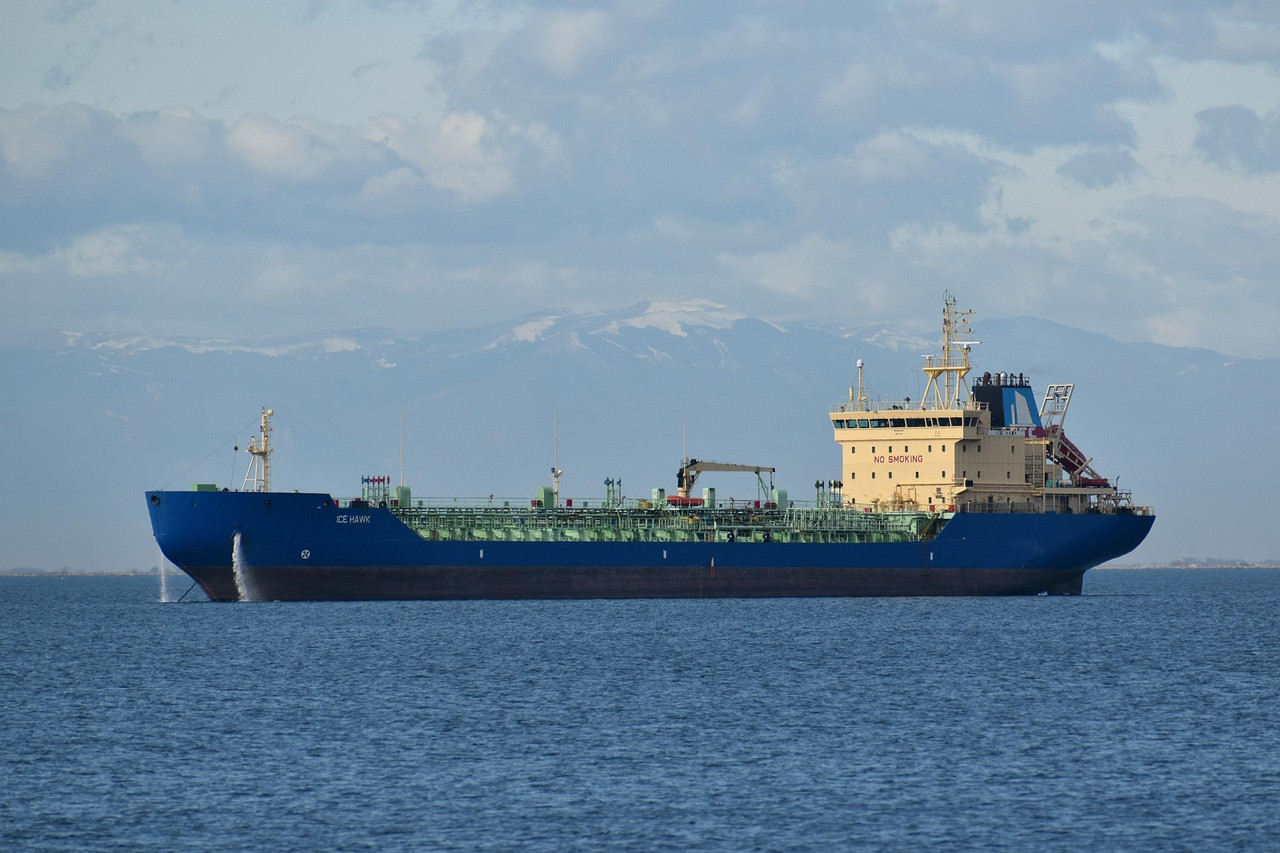
Representative image: papazachariasa / Pixabay
Iran's IRGC Navy said on 2 November 2026 that two oil tankers exploded after hitting mines in the Strait of Hormuz; UKMTO separately reported a ship struck by a projectile.
What Happened
Iran's Islamic Revolutionary Guard Corps (IRGC) Navy said on Monday, 2 November 2026, that two oil tankers, one of them a supertanker, exploded after hitting naval mines while using what it called an unauthorised route through the Strait of Hormuz. Separately, the UK Maritime Trade Operations centre (UKMTO), which monitors shipping security in the region, reported that a merchant vessel in the strait had been struck by an unknown projectile, after Qatari media reported an attack on a gas tanker. No maritime authority has independently confirmed Iran's account, and it is not clear whether the incidents are linked.
Key Facts
- The IRGC Navy says two tankers, including a supertanker, exploded after striking mines; it says one caught fire and both were immobilised.
- The IRGC says the ships had switched off their navigation and identification systems, and that all crew were safe; these claims have not been independently verified.
- UKMTO reported a merchant vessel struck by an unknown projectile in the Strait of Hormuz.
- Qatari media reported an attack on a gas tanker; Saudi Arabia condemned the targeting of a Qatari liquefied natural gas (LNG) carrier, according to reports.
- The Indian crude basket, the average price of the crude oil India buys, was about $114.6 a barrel on 29-30 October, according to market data sites.
- The incidents come during the US-Iran conflict, with commercial traffic through the strait already sharply reduced.
Why It Matters
The Strait of Hormuz is a narrow sea passage between Iran and Oman that connects the Persian Gulf to the open ocean. Tankers carrying oil and gas from Gulf producers such as Saudi Arabia, Iraq, Kuwait, the UAE and Qatar pass through it, which makes it one of the most important routes for the world's energy supply. When ships are attacked or the passage is mined, the risk of moving oil through it rises sharply, and so do insurance costs, freight rates and, eventually, prices.
For India, this matters directly. India relies heavily on imported crude oil and gas, and Gulf producers whose cargoes pass through the strait are among its main suppliers. The price of the Indian crude basket was already around $114.6 a barrel at the end of October, far above levels seen in calmer times. Any further disruption to traffic through Hormuz would push up the cost of fuel imports, widen the trade deficit and add to inflation through transport and fuel costs.
The claims themselves need care. The IRGC said the tankers were on an "unauthorised" route, which suggests Iran is trying to control which ships may pass. US forces have in the past described IRGC claims about mines in the strait as false. Until shipping authorities or the owners of the vessels confirm what happened, the details remain uncertain.
What households and businesses can expect depends on what follows. If the incidents mark an escalation, oil companies and governments may face pressure to pass on higher costs. If traffic stays limited but stable, the immediate impact may be on sentiment and shipping costs rather than on retail fuel prices.
What is claimed and what is confirmed Item | Status Two tankers hit mines, per IRGC | Claimed by Iran; not independently confirmed Merchant ship hit by projectile | Reported by UKMTO Attack on Qatari gas tanker | Reported by Qatari media; condemned by Saudi Arabia Indian crude basket, late October | About $114.6 a barrel
Impact
Short-term: Higher risk for shipping in the Gulf may raise freight and insurance costs and add pressure on oil and gas prices.
Long-term: A prolonged disruption to Hormuz traffic would keep energy import costs high for India and other Asian buyers, with effects on inflation, the rupee and government finances.
Who is affected: Oil and gas importers including India, shipping companies and their crews, Gulf energy exporters, airlines and transport businesses, and households facing fuel and transport costs.
This story is for information only and is not investment advice.
Key Takeaway
Iran says two tankers exploded after hitting mines in the Strait of Hormuz on 2 November 2026, a claim not yet confirmed, adding to risks for the oil and gas supplies on which India depends.
Questions and Answers
What happened in the Strait of Hormuz on 2 November 2026?
Iran's IRGC Navy said two oil tankers exploded after hitting naval mines. Separately, UKMTO reported a merchant ship struck by an unknown projectile. Iran's account has not been independently confirmed.
Why does the Strait of Hormuz matter for India?
Much of India's imported oil and gas comes from Gulf countries whose exports pass through the strait. Disruption there raises the cost of India's energy imports.
What is the Indian crude basket price now?
About $114.6 a barrel on 29-30 October 2026, according to market data sites. The official monthly figure is published by the Petroleum Planning and Analysis Cell.
Were the tanker crews hurt?
Iran's IRGC said all crew members were safe, but this has not been independently confirmed.
Disclaimer: Prepared by the Peepals newsroom from publicly available sources with AI assistance. Information is accurate to the best of our knowledge at the time of publication and may change. Images may be representative. Not professional advice. Report an error via our contact page.
By Neha Kapoor, Economy CorrespondentCovers Economy and more for Peepals Business. All stories by Neha Kapoor
Poundland moves towards administration with up to 12,000 UK jobs at risk
Ex-Palantir founders' Dream raises $17 million to let AI design buildings
Get the day's stories in your inbox
Peepals Weekly: the week decoded, free. One email a week, unsubscribe in one click.
Neha Kapoor is a pen name of the Peepals Global Editorial Team, which researches, fact-checks and publishes every story. The portrait is an illustration.