
MP, UP share 500 MW pumped storage by season; lowest bid Rs 1.35 crore/MW
 By Siddharth VermaBusiness Correspondent, Peepals Bharat
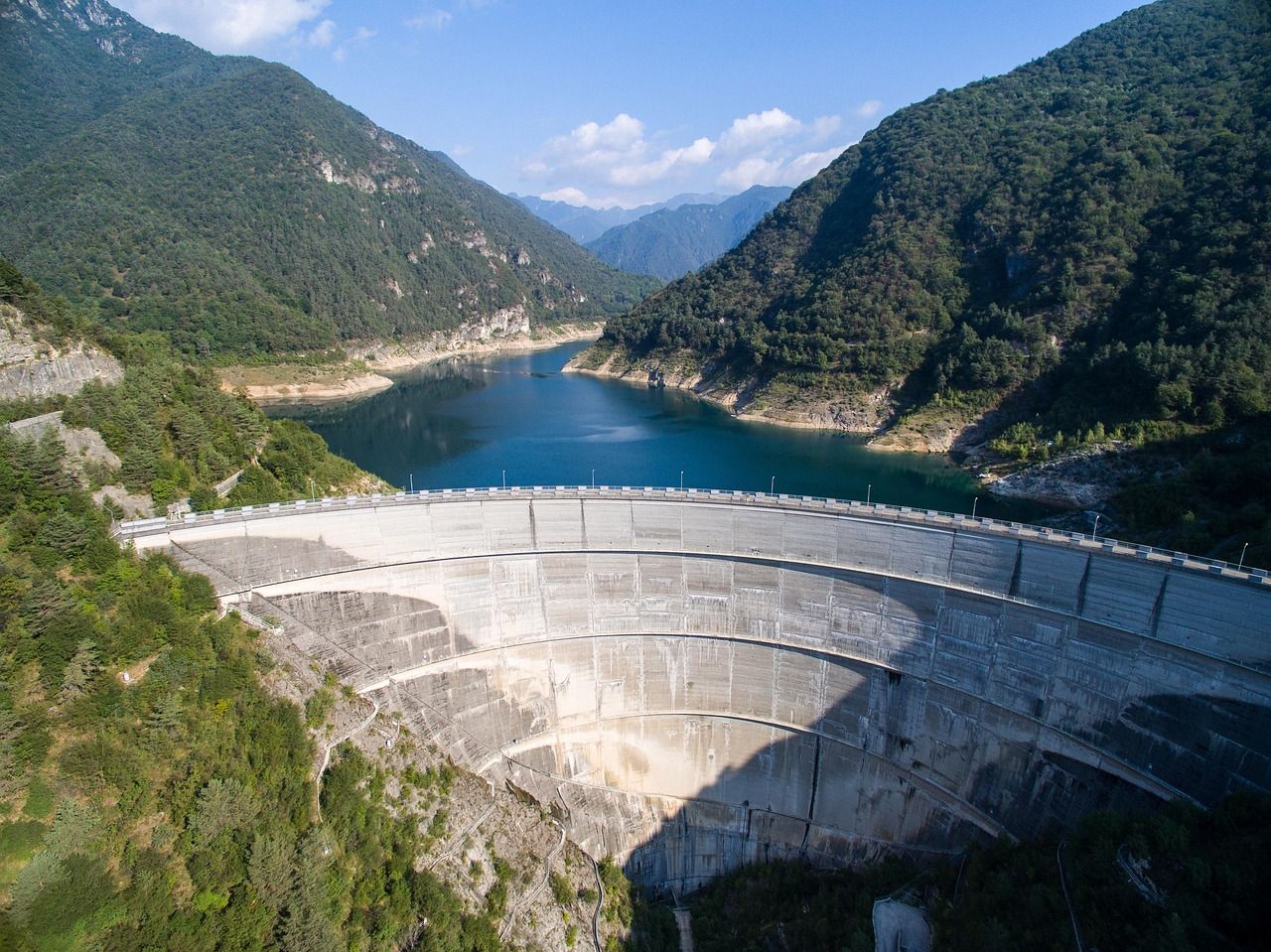
Representative image: Powie / Pixabay
MPPMCL said on 18 November 2026 that MP and UP's joint auction for 500 MW of pumped storage found a lowest bid of Rs 1.3487 crore per MW per year.
Pumped Storage: what happened
Madhya Pradesh and Uttar Pradesh have completed India's first joint purchase of pumped storage power, with Madhya Pradesh Power Management Company Ltd (MPPMCL) announcing on Wednesday, 18 November 2026, the result of an e-reverse auction for 500 MW of capacity. The lowest bid, known as L1, was Rs 1.3487 crore per MW per year, a rate that includes the cost of losses in each storage cycle. MPPMCL said the price is lower than rates found recently for similar pumped storage projects. Under the plan, Madhya Pradesh will use the 500 MW from November to April and Uttar Pradesh from May to October.
Pumped Storage: key facts
- Capacity: 500 MW from pumped storage projects connected to the inter-state transmission system, bought jointly by MPPMCL and Uttar Pradesh Power Corporation Ltd (UPPCL).
- Lowest bid: Rs 1.3487 crore per MW per year, including cycle losses; the e-reverse auction ran for about four hours.
- Contract: a long-term power purchase agreement for 40 years, with projects built, owned and operated by developers.
- Seasonal split: Madhya Pradesh from November to April (the rabi season), Uttar Pradesh from May to October.
- The tender asks for six hours of storage, with up to four hours of continuous discharge a day.
- The Central Electricity Regulatory Commission (CERC) earlier approved deviations from the Ministry of Power's standard bidding guidelines to allow the shared model.
Pumped Storage: why it matters
Pumped storage works like a giant water battery. When power is cheap and plentiful, for example at midday when solar output peaks, water is pumped from a lower reservoir to an upper one. When demand rises, the water is released through turbines to make electricity again. Some energy is lost in each cycle, which is why the winning rate in this auction includes the cost of those losses.
The new idea here is sharing. Madhya Pradesh's need for storage is seasonal and falls in the rabi farming season, from November to April. Uttar Pradesh's need is greatest in the hot months from May to October. Instead of each state paying for storage all year and leaving it idle for half of it, the two states have split the same 500 MW by season. The two utilities argued before the regulator that this complementary arrangement would cut costs for both.
Because the plan spans two states, CERC took up the case as a composite scheme and approved the changes the states needed in the standard bidding rules. The tender's terms are long: a 40-year contract, and developers may get up to 10 years to finish their projects, with higher penalties for delay, according to coverage of the CERC order. For businesses and households, the link is the power bill. Storage that is used all year instead of half the year spreads its fixed cost over more units of electricity.
Peepals calculation: at the L1 rate, 500 MW of capacity costs about Rs 674 crore a year (Rs 1.3487 crore × 500 = Rs 674.35 crore), shared between the two states across their seasons. Over the 40-year contract, at that rate and before any changes, that adds up to roughly Rs 26,974 crore (674.35 × 40). Our calculation from the reported figures.
| Item | Detail |
|---|---|
| Buyers | MPPMCL (Madhya Pradesh) and UPPCL (Uttar Pradesh) |
| Capacity | 500 MW, ISTS-connected pumped storage |
| Lowest bid | Rs 1.3487 crore per MW per year |
| Contract length | 40 years, build-own-operate |
| Season of use | MP: November-April; UP: May-October |
Pumped Storage: impact
Short-term: the utilities move to sign the long-term power purchase agreement with the winning developer, and the projects then have to be built before any power flows. The winning developer has not been named in the reports of the result.
Long-term: if the shared model works, other states with opposite peak seasons could pair up to buy storage, lowering the cost of balancing solar and wind power. That matters as more renewable energy, which does not produce power on demand, joins the grid.
Who is affected: electricity consumers and industries in Madhya Pradesh and Uttar Pradesh, pumped storage developers, and other state power utilities watching the model.
What to watch next: the signing of the 40-year power purchase agreement and the naming of the developer that won the 500 MW.
Pumped Storage: key takeaway
Watch whether other states copy this seasonal sharing deal, because it could make energy storage cheaper wherever two states need power at different times of the year.
Pumped Storage: questions and answers
What is pumped storage?
It is a way of storing electricity by pumping water uphill to a reservoir when power is cheap and releasing it through turbines to generate power when demand is high. It works like a large, rechargeable battery for the grid.
What price did the Madhya Pradesh and Uttar Pradesh auction find?
The lowest bid was Rs 1.3487 crore per MW per year for 500 MW, including the cost of cycle losses. MPPMCL said this is lower than recent rates for similar projects.
How will the two states share the capacity?
Madhya Pradesh will use the 500 MW from November to April, when its demand peaks in the rabi season, and Uttar Pradesh will use it from May to October.
Why did the regulator need to approve the deal?
The shared, two-state model did not fit the Ministry of Power's standard bidding guidelines for pumped storage, so the utilities asked the Central Electricity Regulatory Commission to approve deviations, which it did.
Disclaimer: Prepared by the Peepals newsroom from publicly available sources with AI assistance. Information is accurate to the best of our knowledge at the time of publication and may change. Images may be representative. Not professional advice. Report an error via our contact page.
By Siddharth Verma, Business CorrespondentCovers Business and more for Peepals Bharat. All stories by Siddharth Verma
Kerala Students' Savings Scheme goes digital: KITE portal, SMS alerts for parents
Bihar energy MoUs: Rs 1.72 lakh crore for nuclear plants, pumped storage
Your week ahead, every Sunday. Free.
Exam and result dates, IPOs opening, scheme deadlines, government holidays and the RBI decision for the next 7 days, plus the week's top stories. One email a week, unsubscribe in one click.
Siddharth Verma is a pen name of the Peepals Global Editorial Team, which researches, fact-checks and publishes every story. The portrait is an illustration.
Responsible for this story: the Peepals Global Editorial Team, led by editor Prashant Sonar. How we report