
UP to buy bajra, jowar and maize at MSP till December 31; bajra at Rs 2,900
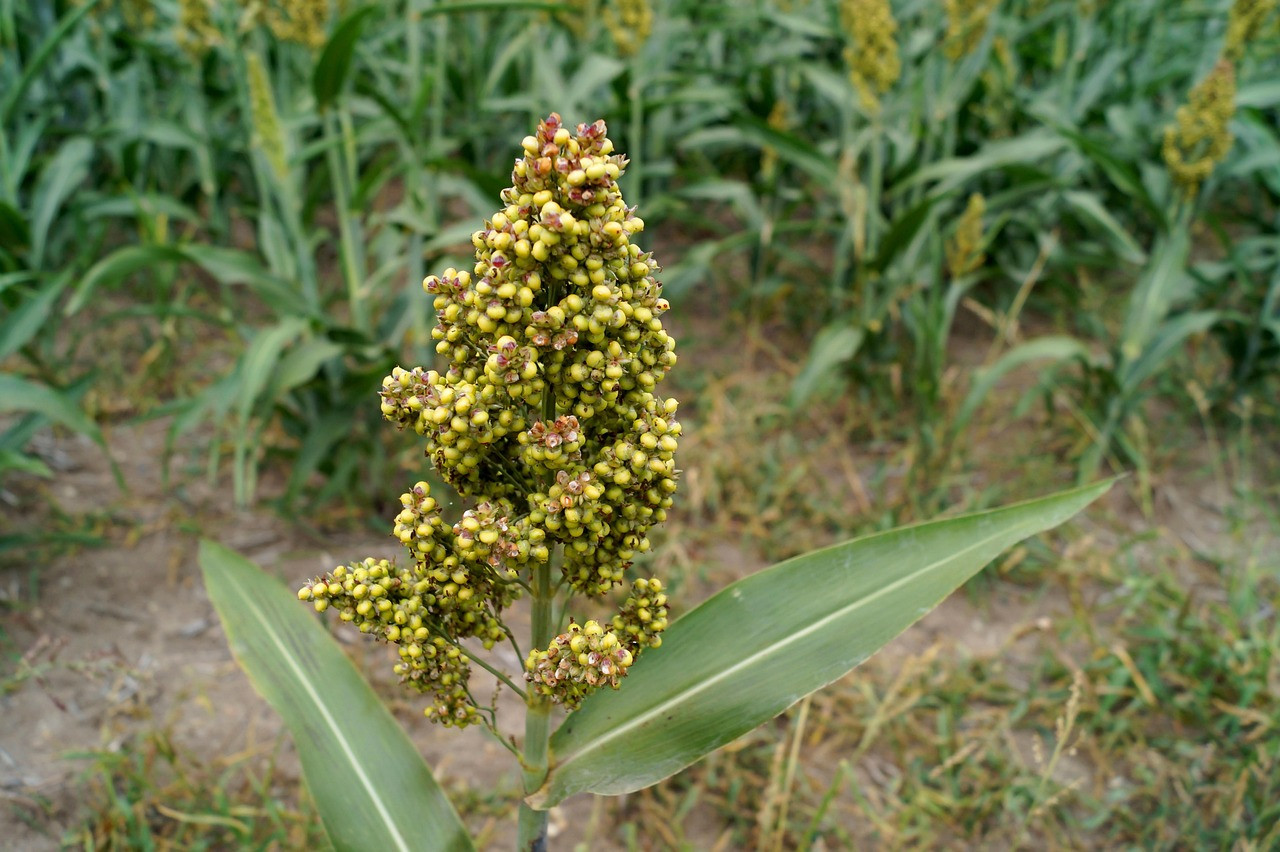
Representative image: jenny71 / Pixabay
Uttar Pradesh's cabinet on October 9, 2026, approved MSP buying of bajra, jowar and maize until December 31, with payment promised within 48 hours.
What Happened
The Uttar Pradesh cabinet on Friday, October 9, 2026, approved the state's plan to buy bajra, jowar and maize from farmers at the minimum support price (MSP) for the 2026-27 kharif marketing season, with procurement to run until December 31, 2026. The purchase window is treated as having started on October 1. Bajra will be bought at Rs 2,900 per quintal, maize at Rs 2,410, Maldandi jowar at Rs 4,073 and hybrid jowar at Rs 4,023. Chief Minister Yogi Adityanath directed officials to make sure farmers are paid within 48 hours of selling their crop.
Key Facts
- Season: kharif marketing season 2026-27; procurement window October 1 to December 31, 2026.
- MSP: bajra Rs 2,900 per quintal; maize Rs 2,410; Maldandi jowar Rs 4,073; hybrid jowar Rs 4,023.
- Coverage: bajra in 33 districts, maize in 25 districts and jowar in 13 districts.
- Proposed targets: 2.20 lakh tonnes of bajra, 50,000 tonnes of jowar and 15,000 tonnes of maize.
- Purchases will be recorded on electronic point-of-purchase (e-PoP) devices, and farmers must complete biometric verification before selling.
- The chief minister has asked for payment to reach farmers within 48 hours.
Why It Matters
For farmers who grow bajra and jowar, government procurement at MSP sets a price floor. Without it, many sell to traders at whatever the local market offers at harvest time, when prices are usually lowest. A clear window that runs to the end of December gives growers time to bring their crop to purchase centres instead of rushing to sell.
The figures show the scale. A target of 2.20 lakh tonnes for bajra across 33 districts makes it by far the largest crop in the plan. Jowar, though bought in fewer districts, carries a much higher MSP per quintal, which makes timely sale especially valuable for its growers.
The process rules matter as much as the prices. Biometric checks and e-PoP devices are meant to make sure the person selling is the farmer who grew the crop, a safeguard against middlemen passing off traders' stock as farmers' produce. The 48-hour payment instruction addresses a common complaint: delayed money after the sale.
Millets, which the government promotes as Shree Anna, are also part of a wider push for nutritious, climate-hardy grains. Steady state buying gives farmers a reason to keep growing them.
| Crop | MSP (Rs per quintal) | Districts | Proposed target |
|---|---|---|---|
| Bajra | 2,900 | 33 | 2.20 lakh tonnes |
| Jowar (Maldandi / hybrid) | 4,073 / 4,023 | 13 | 50,000 tonnes |
| Maize | 2,410 | 25 | 15,000 tonnes |
Impact
Short-term: Farmers in the listed districts can sell bajra, jowar and maize at government centres until December 31, with payment due within 48 hours.
Long-term: Reliable procurement could encourage more farmers to keep millets in their crop mix, supporting the state's Shree Anna push and incomes in dryland areas.
Who is affected: Bajra, jowar and maize growers in Uttar Pradesh, procurement agencies and purchase centre staff, traders in local mandis and beneficiaries of state food schemes.
Key Takeaway
Uttar Pradesh will buy bajra, jowar and maize at MSP until December 31, 2026, with bajra at Rs 2,900 a quintal and payment promised within 48 hours.
Questions and Answers
Until when will Uttar Pradesh buy millets at MSP this season?
Procurement for the 2026-27 kharif marketing season runs from October 1 to December 31, 2026, after cabinet approval on October 9.
What price will farmers get?
Rs 2,900 per quintal for bajra, Rs 2,410 for maize, Rs 4,073 for Maldandi jowar and Rs 4,023 for hybrid jowar.
Which districts are covered?
Bajra will be bought in 33 districts, maize in 25 and jowar in 13. Farmers should check with their district purchase centre.
What do farmers need to sell at a purchase centre?
Sales are recorded on e-PoP devices and require biometric verification of the farmer. The chief minister has directed that payment be made within 48 hours.
Disclaimer: Prepared by the Peepals newsroom from publicly available sources with AI assistance. Information is accurate to the best of our knowledge at the time of publication and may change. Images may be representative. Not professional advice. Report an error via our contact page.
Sourced and fact-checked by the Peepals Global Editorial Team
IMF agrees $1.2 billion tranche for Pakistan, presses end to costly fuel subsidy
Mastek wins Staffordshire council Oracle Cloud deal; shares rise over 3%
Reported, fact-checked and published by the Peepals Global Editorial Team.