

Centre presses states on co-op reforms, grain storage at first Bastar workshop
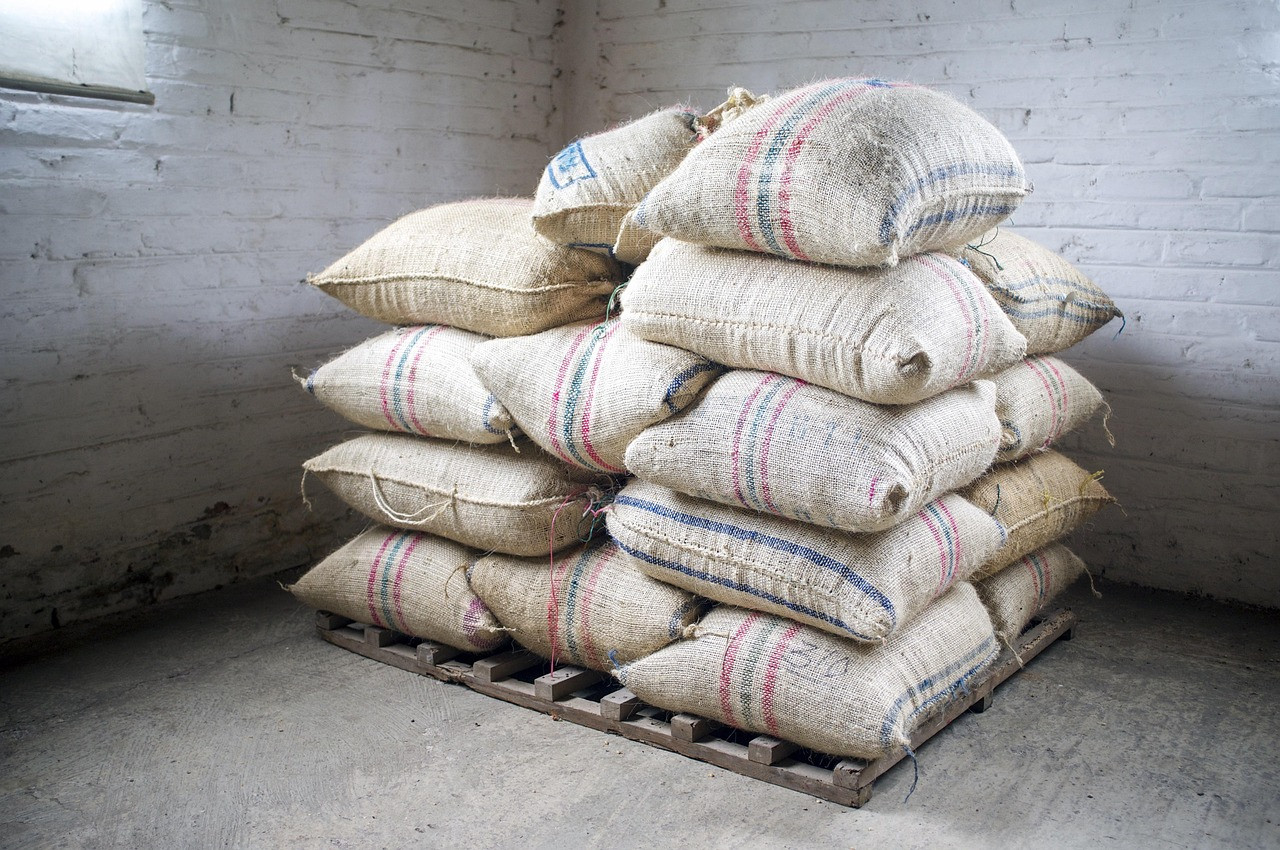
Representative image: youleks / Pixabay
At a national cooperative review in Jagdalpur, Bastar, on October 8-9, 2026, the Centre asked states for time-bound reform plans and faster grain storage.
What Happened
The Union Ministry of Cooperation held a national review workshop on cooperatives in Jagdalpur, in Chhattisgarh's Bastar region, on October 8 and 9, 2026, the first time a national cooperative meeting of this kind has been held in Bastar. Described as the ninth National Review Workshop, it brought together senior officials and Registrars of Cooperative Societies from states across India and was chaired by Cooperation Secretary Ashish Kumar Bhutani. States were urged to draw up their own prioritised, time-bound action plans for cooperative reforms, and to speed up work under the cooperative grain storage plan, from choosing sites to getting loans sanctioned and building godowns.
Key Facts
- Venue and dates: Jagdalpur, Bastar, Chhattisgarh, on October 8 and 9, 2026.
- Organiser: the Union Ministry of Cooperation; the meeting was chaired by Cooperation Secretary Ashish Kumar Bhutani.
- Participants included senior cooperative officials, state secretaries and Registrars of Cooperative Societies.
- Topics included forming new primary agricultural credit societies (PACS), computerising them, diversifying their business, procurement, dairy, tribal cooperatives and cooperative banking.
- States were asked to frame state-specific action plans rather than follow one national template.
- On grain storage, states were told to speed up site identification, loan sanctions and godown construction.
- Officials said local storage could let farmers take loans against stored grain instead of selling straight after harvest.
Why It Matters
Cooperatives are the backbone of much of rural India's economy. Primary agricultural credit societies give farmers short-term loans, seeds and fertiliser, and dairy cooperatives buy milk from small producers. The ministry's plan is to make PACS stronger and more businesslike, so that they can also run storage, procurement and other services in villages.
Grain storage is the clearest example of what that could mean for farmers. When there is nowhere to keep the harvest, farmers often have to sell at once, even when prices are low. A godown run by the local cooperative would let a farmer store grain and borrow against it, a system known as pledge finance, and sell later when prices improve. The workshop's message to states was to move faster on the practical steps that make this possible.
Holding the meeting in Bastar also carries weight. The region is largely tribal and forested, and its people depend on farming and forest produce. Discussing tribal cooperatives there puts the focus on extending the cooperative model to communities that have been less well served by it.
The push for state-specific plans recognises that cooperatives differ widely from one state to another. What works for dairy unions in Gujarat may not work for forest-produce societies in central India. Reports from the workshop also said the ministry was studying local models for buying crops other than wheat and paddy, which are harder to procure at the minimum support price, as a supplement to the MSP system.
| Topic | What states were asked to do |
|---|---|
| Cooperative reforms | Prepare state-specific, prioritised, time-bound action plans |
| Grain storage plan | Speed up site selection, loan sanctions and godown construction |
| PACS | Expand formation, computerisation and new lines of business |
| Other crops | Explore local procurement models beyond wheat and paddy |
Impact
Short-term: State cooperative departments are expected to return with action plans and to push pending storage projects through approvals and construction.
Long-term: If PACS gain storage and new businesses, farmers could hold their crops longer, get credit against them and earn better prices, while village cooperatives earn more income of their own.
Who is affected: Farmers and members of PACS, dairy and tribal cooperatives, state cooperative departments and cooperative banks.
Key Takeaway
At a first-ever national cooperative review in Bastar on October 8 and 9, 2026, the Centre pressed states to speed up cooperative reforms and village grain storage with their own time-bound plans.
Questions and Answers
What was the Bastar cooperative workshop?
It was the ninth National Review Workshop of the Union Ministry of Cooperation, held in Jagdalpur on October 8 and 9, 2026, where officials from across India reviewed cooperative schemes and reforms.
What are PACS?
Primary agricultural credit societies are village-level cooperatives that give farmers credit and farm inputs. The ministry wants them to take on more services such as storage and procurement.
How does cooperative grain storage help farmers?
A local godown lets farmers store grain after harvest and take loans against it, so they need not sell immediately at low prices and can wait for a better rate.
Why were states asked for their own plans?
Officials said reforms work better when each state sets priorities and deadlines suited to its own cooperative sector, rather than following a single national model.
Disclaimer: Prepared by the Peepals newsroom from publicly available sources with AI assistance. Information is accurate to the best of our knowledge at the time of publication and may change. Images may be representative. Not professional advice. Report an error via our contact page.
Sourced and fact-checked by the Peepals Global Editorial Team
FPIs pull Rs 44,166 crore from shares in October; 2026 outflow tops Rs 3 lakh crore
IMF agrees $1.2 billion tranche for Pakistan, presses end to costly fuel subsidy
Reported, fact-checked and published by the Peepals Global Editorial Team.