
RBI ATM rules: banks must alert you before free withdrawals run out
 By Neha KapoorEconomy Correspondent, Peepals Business
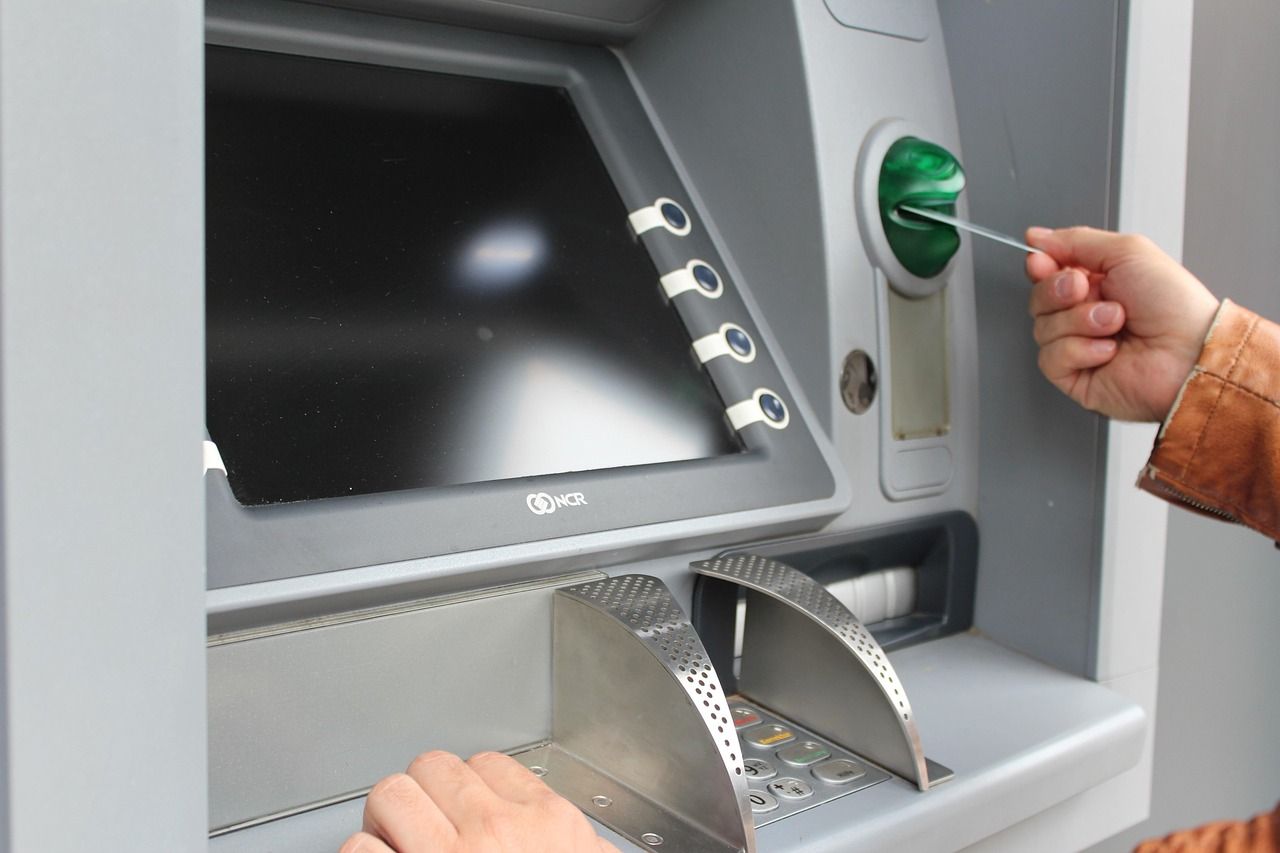
Representative image: Peggy_Marco / Pixabay
An RBI Master Direction merging 17 ATM circulars makes banks warn customers nearing the free limit; charges stay capped at Rs 23.
RBI ATM rules: what happened
The Reserve Bank of India (RBI) has issued a single Master Direction on cash withdrawals at ATMs and points of sale, bringing 17 older circulars into one rulebook and requiring banks to warn customers when they are close to using up their free monthly ATM transactions. The direction, reported on Saturday, 28 November 2026, takes effect immediately. It keeps the cap on charges beyond the free limit at Rs 23 per transaction plus taxes.
RBI ATM rules: key facts
- Banks must alert customers as they approach their free monthly ATM limit and tell them what further withdrawals will cost.
- Free transactions at a bank's own ATMs: five a month, covering both financial and non-financial transactions.
- Free transactions at other banks' ATMs: three a month in metro centres and five in non-metro centres, with an overall cap of five when both are used.
- Charge beyond the free limit: capped at Rs 23 per transaction, plus applicable taxes.
- Transactions that fail for technical reasons or because the ATM has no cash do not count towards the free limit and cannot be charged.
- ATMs must be marked as metro or non-metro, and information on limits and charges must be shown in English, Hindi and the local language.
- In a related move, the RBI is allowing white-label ATM operators, companies that run ATMs not owned by banks, to buy cash directly from its offices.
RBI ATM rules: why it matters
ATM charges are one of the most common small costs that Indian households pay without noticing. A customer who does not track withdrawals may find out about a fee only when it appears in the bank statement. The new requirement to alert customers before they cross the free limit puts that information in front of them at the right time, so they can choose to wait, use their own bank's ATM, or pay digitally instead.
Bringing 17 circulars into one direction also matters. Over the years, rules on free transactions, metro definitions, failed withdrawals and charges were spread across many separate notices, which made it hard for customers, and sometimes bank staff, to know which rule applied. A single document makes the rules easier to check and enforce.
The rule on failed transactions protects customers in a common situation: an ATM that is out of cash or fails mid-transaction. Such attempts cannot be counted as one of the free withdrawals or charged.
The step allowing white-label ATM operators to buy cash directly from RBI offices is aimed at the supply side. Easier access to cash can help these operators keep their machines stocked, which in turn can reduce failed withdrawals at their ATMs.
Peepals calculation: A customer who makes eight withdrawals in a month at their own bank's ATMs uses five free and pays for three. At the Rs 23 cap, that is Rs 69 plus taxes (3 × 23 = 69). A customer in a metro city who makes all eight at other banks' ATMs would pay for five (eight minus three free), or Rs 115 plus taxes (5 × 23 = 115). Our calculation from the reported figures.
| Where you withdraw | Free transactions a month | Charge after the free limit |
|---|---|---|
| Own bank's ATM | 5 | Up to Rs 23 plus taxes |
| Other bank's ATM, metro | 3 | Up to Rs 23 plus taxes |
| Other bank's ATM, non-metro | 5 | Up to Rs 23 plus taxes |
RBI ATM rules: impact
Short-term: Customers should start receiving alerts from their banks as they near the free limit. Banks must update ATM labels and the information shown on screens in three languages.
Long-term: Clearer rules and timely alerts may reduce disputes over ATM charges and encourage customers to plan withdrawals or shift small payments to digital modes. Better cash supply for white-label ATMs can improve access where they operate.
Who is affected: All debit-card holders who use ATMs, especially frequent cash users in metro cities, banks and their ATM networks, and white-label ATM operators.
RBI ATM rules: key takeaway
Check how many ATM withdrawals you make each month and watch for your bank's new alerts, so you can avoid the Rs 23 charge after the free limit.
RBI ATM rules: questions and answers
How many free ATM transactions do I get in 2026?
Under the RBI's new Master Direction, five a month at your own bank's ATMs, and three in metro or five in non-metro centres at other banks' ATMs, with a combined cap of five at other banks.
What is the maximum ATM charge after the free limit?
Banks can charge up to Rs 23 per transaction beyond the free limit, plus applicable taxes.
Will a failed ATM withdrawal count as one of my free transactions?
No. Transactions that fail for technical reasons or because the machine has no cash are not counted towards the free limit and cannot be charged.
Will my bank warn me before I am charged?
Yes. The direction requires banks to alert customers as they approach their free monthly limit and tell them the charges for further withdrawals.
Disclaimer: Prepared by the Peepals newsroom from publicly available sources with AI assistance. Information is accurate to the best of our knowledge at the time of publication and may change. Images may be representative. Not professional advice. Report an error via our contact page.
By Neha Kapoor, Economy CorrespondentCovers Economy and more for Peepals Business. All stories by Neha Kapoor
Your week ahead, every Sunday. Free.
Exam and result dates, IPOs opening, scheme deadlines, government holidays and the RBI decision for the next 7 days, plus the week's top stories. One email a week, unsubscribe in one click.
Neha Kapoor is a pen name of the Peepals Global Editorial Team, which researches, fact-checks and publishes every story. The portrait is an illustration.
Responsible for this story: the Peepals Global Editorial Team. How we report