
Tokyo core inflation November 2026: 2.9%, highest since July 2025
 By Neha KapoorEconomy Correspondent, Peepals Business
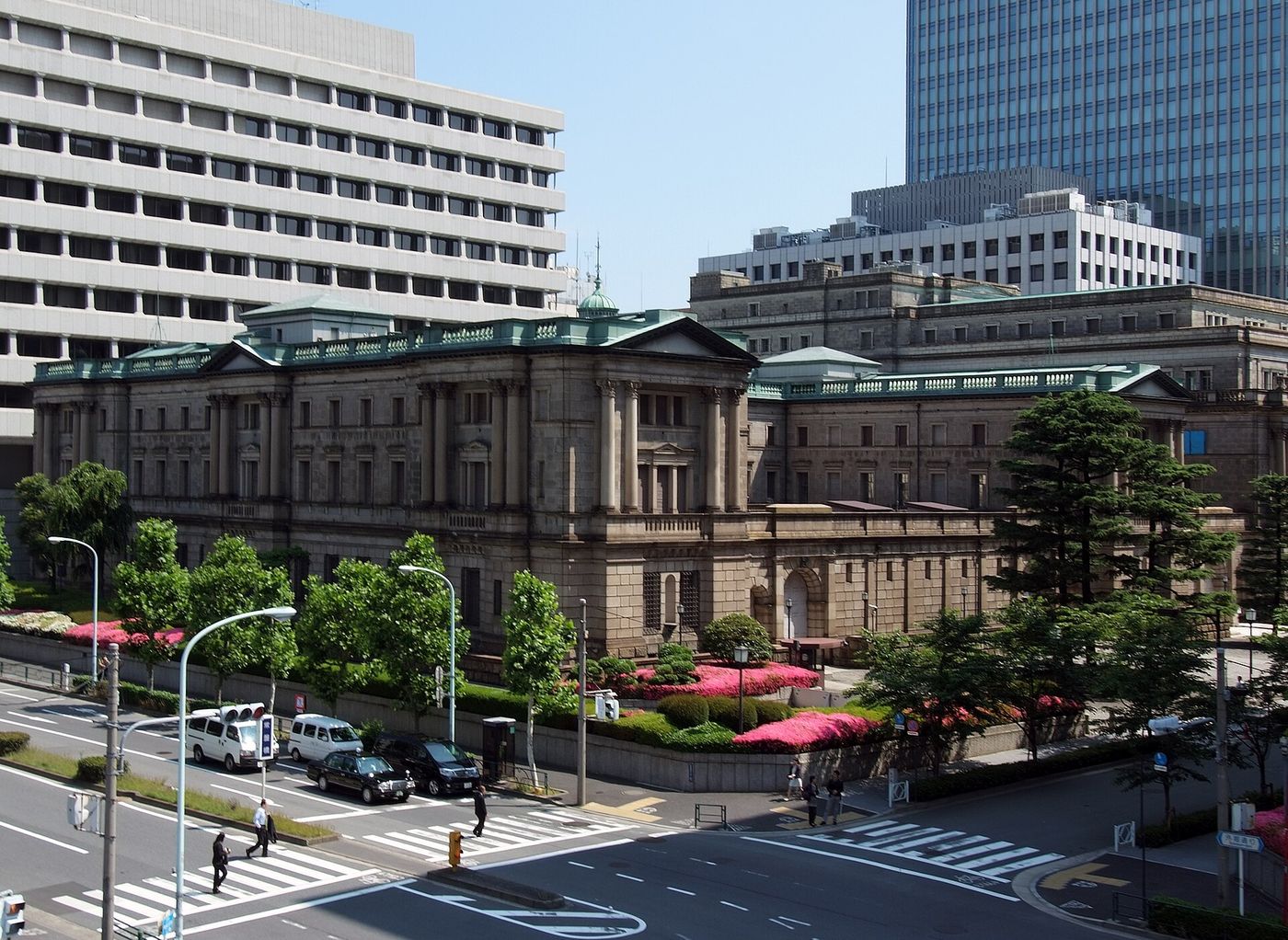
File photo: Wiiii (CC BY-SA 3.0), via Wikimedia Commons
Tokyo's core consumer prices rose 2.9% in November from a year earlier, up from 2.6% in October, as energy costs pushed inflation to a 16-month high.
Tokyo core inflation: what happened
Consumer prices in Tokyo excluding fresh food rose 2.9% in November 2026 from a year earlier, up from 2.6% in October, according to preliminary figures from Japan's Ministry of Internal Affairs and Communications released on the morning of Friday, 27 November, Tokyo time. It is the fastest pace since July 2025. Energy was the largest contributor to the rise. The headline index, which includes all items, rose 2.8%, up from a revised 2.7% in October.
Tokyo core inflation: key facts
- Tokyo core CPI (all items except fresh food): up 2.9% year on year in November 2026.
- October's reading: 2.6%, so the rate rose by 0.3 percentage point in a month.
- This is the highest reading since July 2025, a 16-month high.
- Headline Tokyo CPI (all items): 2.8%, up from a revised 2.7% in October.
- Main driver: energy, partly because government utility subsidies ended.
- The figures are preliminary mid-month data and can be revised.
- The Bank of Japan's next policy meeting is on 17 and 18 December, where markets expect a rise in its policy rate to 1.5%.
Tokyo core inflation: why it matters
Tokyo's inflation figures come out about three weeks before the nationwide numbers, so economists and the Bank of Japan watch them as an early sign of where prices across Japan are heading. "Core" inflation in Japan leaves out fresh food, whose prices jump with the weather, to give a steadier view of the trend.
Markets expect the Bank of Japan to raise its policy rate to 1.5% at its meeting on 17 and 18 December. A core reading of 2.9% in the capital, the highest in 16 months, adds to that case, because it shows price growth staying well above the 2% inflation target the central bank aims for. Economists will now look to the nationwide figures, due later in December, to see whether the rest of the country follows Tokyo.
The details give the central bank reason for caution as well as confidence. Much of November's rise came from energy, and energy prices swing with fuel costs and government subsidies. A rise driven by energy alone is less lasting than one driven by wages and services. With inflation excluding both fresh food and energy easing slightly, the picture is of energy pushing up the core measure rather than a broad acceleration.
Japan's interest rates also matter outside Japan. Investors who borrow in yen to invest in other markets face higher costs when Japanese rates rise, and some may bring money home. That is why a Bank of Japan decision is followed by currency and share-market investors in many countries, India included.
Peepals calculation: Core inflation rose from 2.6% to 2.9%, an increase of 0.3 percentage point, or about 12% faster in relative terms (2.9 ÷ 2.6 ≈ 1.115). Core inflation is now 0.1 point above the headline rate of 2.8%, because the fresh food left out of the core measure rose less than other prices. Our calculation from the reported figures.
| Measure | October 2026 | November 2026 |
|---|---|---|
| Tokyo core CPI (ex fresh food) | 2.6% | 2.9% |
| Tokyo headline CPI (all items) | 2.7% (revised) | 2.8% |
Tokyo core inflation: impact
Short-term: The figure strengthens expectations of a Bank of Japan rate rise at its 17-18 December meeting.
Long-term: If inflation stays near 3% after energy effects fade, the central bank may keep raising rates in 2027, ending Japan's long era of near-zero borrowing costs.
Who is affected: Japanese households facing higher energy bills, borrowers in Japan, and global investors who borrow in yen or hold Japanese assets.
What to watch next: The Bank of Japan's policy decision on 17 and 18 December, and the nationwide November CPI later in December.
Tokyo core inflation: key takeaway
Watch the Bank of Japan's 17-18 December decision: a rate rise would make borrowing in yen costlier and could shift money flows across global markets, including emerging ones.
Tokyo core inflation: questions and answers
What was Tokyo's core inflation in November 2026?
Tokyo's consumer prices excluding fresh food rose 2.9% from a year earlier in November 2026, up from 2.6% in October.
Why does Tokyo's inflation matter for Japan as a whole?
Tokyo's figures are released about three weeks before the nationwide data, so they are watched as an early guide to inflation across Japan.
What pushed Tokyo's inflation higher in November?
Energy was the largest contributor, partly because government utility subsidies ended.
When does the Bank of Japan meet next?
Its next policy meeting is on 17 and 18 December 2026, where markets expect an increase in interest rates.
Disclaimer: Prepared by the Peepals newsroom from publicly available sources with AI assistance. Information is accurate to the best of our knowledge at the time of publication and may change. Images may be representative. Not professional advice. Report an error via our contact page.
By Neha Kapoor, Economy CorrespondentCovers Economy and more for Peepals Business. All stories by Neha Kapoor
Matangi Rubber IPO: Rs 163-172 band, opens December 1
Neysa Partner Program: AI cloud firm opens Velocis to integrators, resellers
Your week ahead, every Sunday. Free.
Exam and result dates, IPOs opening, scheme deadlines, government holidays and the RBI decision for the next 7 days, plus the week's top stories. One email a week, unsubscribe in one click.
Neha Kapoor is a pen name of the Peepals Global Editorial Team, which researches, fact-checks and publishes every story. The portrait is an illustration.
Responsible for this story: the Peepals Global Editorial Team. How we report