

UK house price growth slows to 0.5%, weakest since January 2024: Nationwide
 By Neha KapoorEconomy Correspondent, Peepals Business
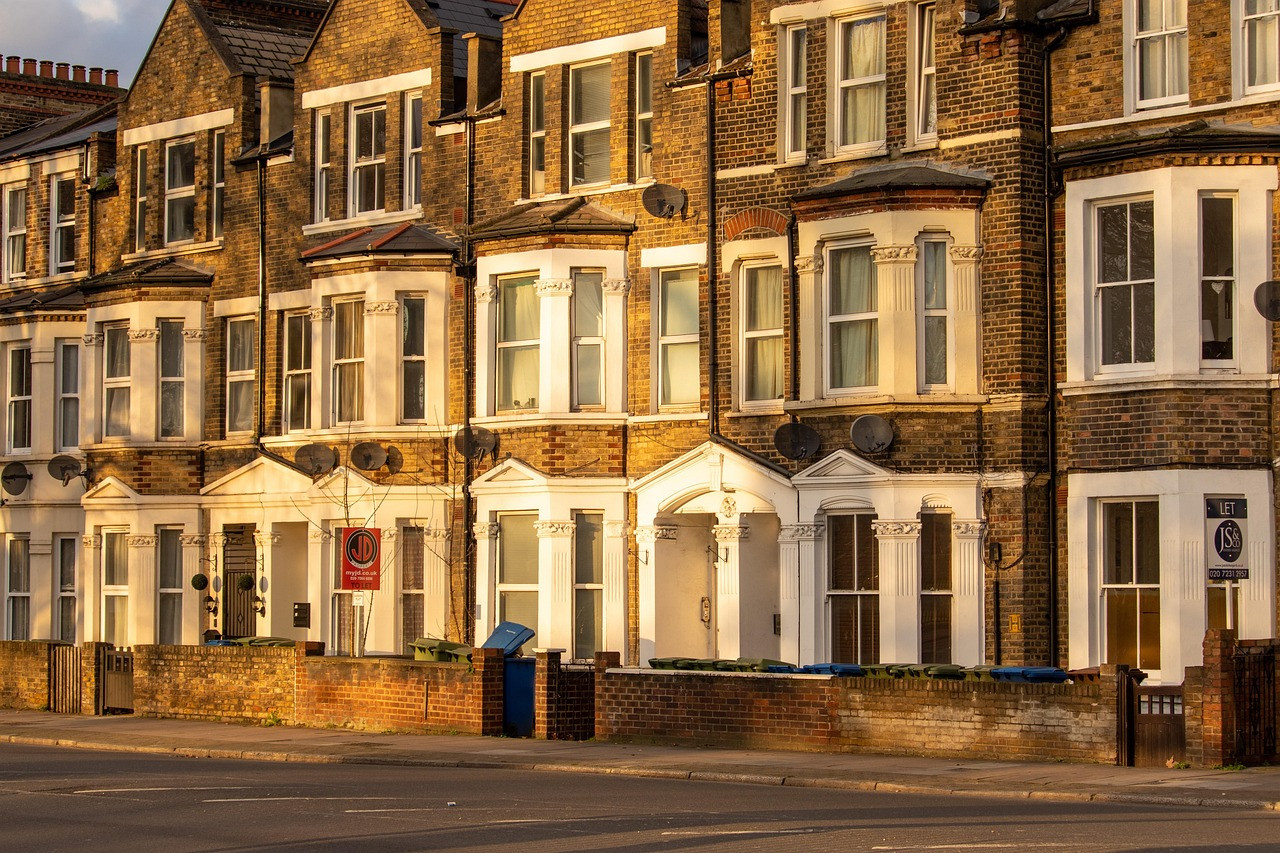
Representative image: Dele_o / Pixabay
UK house prices rose 0.5% in the year to October 2026, the slowest since January 2024, Nationwide said on October 30, citing mortgage rates and energy costs.
What Happened
UK house price growth slowed to 0.5% a year in October 2026, its weakest pace since January 2024, according to the Nationwide house price index published on Friday, October 30, 2026. Annual growth eased from 0.8% in September, and prices were unchanged from the previous month after seasonal adjustment. The average UK home cost £273,566. Nationwide's chief economist, Robert Gardner, linked the slowdown to higher mortgage rates and stretched affordability, and to economic uncertainty, including the conflict in the Middle East, which has pushed up energy prices.
Key Facts
- Annual house price growth, October 2026: 0.5%, down from 0.8% in September, according to Nationwide.
- The weakest annual growth since January 2024.
- Monthly change: 0%, after seasonal adjustment.
- Average UK house price: £273,566.
- Causes cited by Nationwide's Robert Gardner: higher mortgage rates, affordability limits and economic uncertainty, including energy prices pushed up by the Middle East conflict.
- Nationwide's outlook: further softness in the near term, with a recovery expected once the energy shock fades.
- At the start of 2026, Nationwide had forecast price growth of 2% to 4% for the year.
Why It Matters
Housing is the biggest purchase most families make, and in Britain house prices shape everything from how people feel about their finances to how much banks lend and how much builders build. A slowdown to 0.5% annual growth means prices are, in effect, flat. The monthly figure, unchanged in October after a 0.3% fall in September, confirms that picture.
The main pressure is the cost of borrowing. Gardner explained the chain of events: the Middle East conflict has pushed up energy prices and fanned inflation concerns, which, he said, "has led to mounting financial market expectations of Bank Rate increases, which have maintained upward pressure on the market interest rates which underpin mortgage pricing." The average five-year fixed mortgage rate crossed 6% earlier in October for the first time in three years. When mortgage rates rise, buyers can borrow less for the same monthly payment, and surveyors report that new buyer enquiries remain weak.
There is a cushion, though. Gardner noted that the improvement in affordability over the past two years, when incomes grew much faster than house prices, has been only partly reversed by higher rates. That is one reason Nationwide expects the market to regain momentum once the energy shock passes. Not everyone agrees: Ashley Webb of the research firm Capital Economics expects prices to keep falling in the coming months.
The gap between Nationwide's early-year forecast and the reality is striking. In January it expected prices to rise by 2% to 4% across 2026. Ten months in, annual growth is at 0.5%. That shows how quickly higher energy costs and mortgage rates can change the picture.
| Month (2026) | Price change (Nationwide) |
|---|---|
| September | 0.8% annual; -0.3% monthly |
| October | 0.5% annual; 0% monthly |
Average UK house price in October: £273,566.
For buyers, a flat market can mean more room to negotiate and less pressure to rush. For sellers, it means pricing realistically. For homeowners who need to remortgage, the main concern is not prices but the higher rates they may face when fixed deals end.
Impact
Short-term: Nationwide expects more softness in the coming months. Buyers may find sellers more willing to negotiate, while mortgage costs remain the main hurdle for first-time buyers.
Long-term: Nationwide expects the market to recover once the energy price shock fades. How fast that happens will depend on energy prices, inflation and the path of interest rates.
Who is affected: Home buyers and sellers in the UK, first-time buyers, homeowners coming to the end of fixed-rate mortgages, lenders and housebuilders, and overseas investors in UK property.
Key Takeaway
UK house prices rose just 0.5% in the year to October 2026, the slowest since January 2024, as higher mortgage rates and energy-driven uncertainty weighed on buyers, according to Nationwide.
Questions and Answers
How much did UK house prices rise in October 2026?
According to Nationwide, prices were 0.5% higher than a year earlier, down from 0.8% annual growth in September, and unchanged from September after seasonal adjustment.
What is the average UK house price now?
Nationwide put the average UK house price at £273,566 in October 2026.
Why is UK house price growth slowing?
Nationwide's chief economist, Robert Gardner, pointed to higher mortgage rates, affordability limits and economic uncertainty, including higher energy prices linked to the Middle East conflict.
Will UK house prices recover?
Nationwide expects further softness in the near term and a recovery once the energy shock fades. It is a forecast, not a certainty.
Disclaimer: Prepared by the Peepals newsroom from publicly available sources with AI assistance. Information is accurate to the best of our knowledge at the time of publication and may change. Images may be representative. Not professional advice. Report an error via our contact page.
By Neha Kapoor, Economy CorrespondentCovers Economy and more for Peepals Business. All stories by Neha Kapoor
Big Tech returns smallest share of cash in 15 years as AI spending soars
Rolls-Royce gets up to £2.5 billion UK backing for new narrowbody jet engine
Get the day's stories in your inbox
Peepals Weekly: the week decoded, free. One email a week, unsubscribe in one click.
Neha Kapoor is a pen name of the Peepals Global Editorial Team, which researches, fact-checks and publishes every story. The portrait is an illustration.