
sennder funding: Berlin freight start-up secures €228 million, turns EBITDA-positive
 By Arjun MehtaSenior Business Editor, Peepals Business

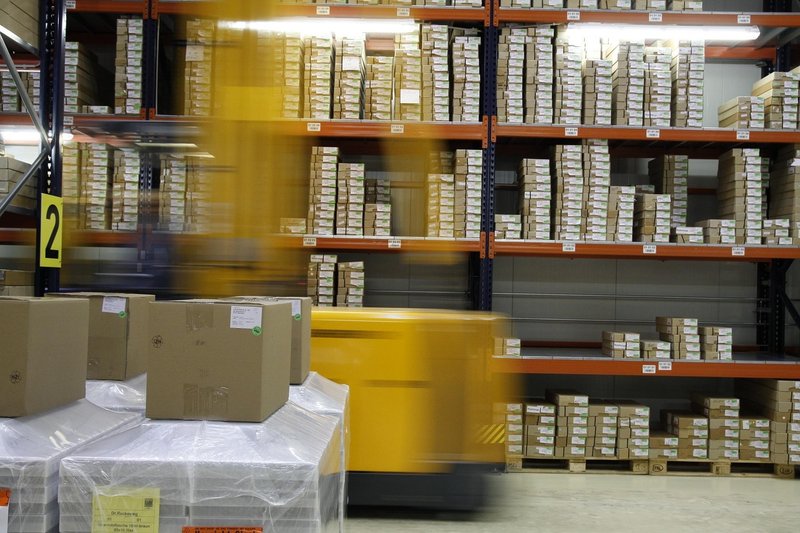
Representative image: markusspiske / Pixabay
Berlin freight start-up sennder secured €228 million on 11 November 2026, €73 million equity led by Scania and Poste Italiane, and said it is EBITDA-positive.
What Happened
sennder, the Berlin-based digital road freight company, announced on Wednesday, 11 November 2026 that it has secured a financing package of €228 million, made up of €73 million in equity from existing shareholders and €155 million in debt and working-capital facilities. The equity round was led by the Swedish truck maker Scania and the Italian postal and logistics group Poste Italiane. The company also said it has turned EBITDA-positive on an unadjusted monthly basis and expects revenue of about €1 billion in 2026, after integrating the European road freight business it bought from the US logistics company C.H. Robinson in 2024.
Key Facts
- Total package: €228 million, announced 11 November 2026.
- Equity: €73 million from existing shareholders, led by Scania and Poste Italiane; €47 million of this was raised over the two years before 2026 and €26 million in 2026.
- Debt and working capital: €155 million, made up of a €100 million non-recourse factoring line with the credit insurer Coface, a €40 million facility from the European Investment Bank (EIB) and a €15 million supply-chain finance programme with cflox and Deutsche Bank.
- Profitability: EBITDA-positive under IFRS accounting on an unadjusted monthly basis, the company said.
- Revenue goal: about €1 billion in 2026.
- Valuation: not disclosed; the company was last publicly valued at around $2 billion in 2022.
Why It Matters
Road freight in Europe is a huge but fragmented business. Many small trucking firms move goods for large shippers, and brokers sit in between. sennder is one of the start-ups that set out to digitise this brokerage: shippers post loads, and the company's software matches them with carriers, sets prices and tracks deliveries.
The mix of money in this package says a lot about where late-stage start-ups are today. Only about a third is fresh equity, and it comes from existing shareholders rather than new venture capital firms. Most of the package is debt tied to the company's day-to-day operations. A factoring line, for instance, lets sennder turn unpaid customer invoices into cash quickly, which matters in freight, where a broker often pays truckers before the shipper pays the broker. That kind of financing is usually available only to companies with steady revenue and a credible path to profit.
That is why the company's statement that it has turned EBITDA-positive is central. EBITDA means earnings before interest, tax, depreciation and amortisation; being positive on that measure means the business's operations are earning more than they cost, before financing and accounting charges. For a start-up that has grown largely through funding rounds and an acquisition, reaching that point is what makes lenders willing to step in.
The backers also matter. Scania builds trucks, and Poste Italiane runs a large logistics network, so both are strategic investors with a direct interest in how freight is bought and moved. A public lender, the EIB, is also in the package.
Peepals calculation: Of the €228 million, equity makes up about 32% (73 ÷ 228 ≈ 0.32) and debt and working-capital facilities about 68% (155 ÷ 228 ≈ 0.68). The Coface factoring line alone is about 65% of the debt portion (100 ÷ 155 ≈ 0.65). Our calculation from the reported figures.
| Part of package | Amount | Provider |
|---|---|---|
| Equity | €73 million | Existing shareholders, led by Scania and Poste Italiane |
| Factoring line | €100 million | Coface |
| Loan facility | €40 million | European Investment Bank |
| Supply-chain finance | €15 million | cflox and Deutsche Bank |
Impact
Short-term: The money supports the integration of the former C.H. Robinson European road freight business and gives sennder working capital to pay carriers while it waits for shippers to settle invoices.
Long-term: If sennder reaches about €1 billion in revenue while staying profitable at the operating level, it would strengthen the case that digital freight brokerage can work at scale in Europe, which may encourage similar models elsewhere.
Who is affected: Shippers and trucking companies that use sennder in Europe, its strategic investors, lenders including the EIB and Coface, and rival digital freight platforms.
What to watch next: Whether sennder reaches its stated goal of about €1 billion in revenue for 2026.
Key Takeaway
sennder raised €228 million, mostly debt with €73 million of equity led by Scania and Poste Italiane, after reporting that it has turned EBITDA-positive and expects about €1 billion in 2026 revenue.
Questions and Answers
How much did sennder raise in November 2026?
sennder announced a €228 million package on 11 November 2026: €73 million in equity from existing shareholders and €155 million in debt and working-capital financing.
Who invested in sennder's latest round?
The equity was led by Scania and Poste Italiane. The debt side includes a €100 million factoring line from Coface, €40 million from the European Investment Bank and €15 million in supply-chain finance from cflox and Deutsche Bank.
Is sennder profitable?
The company says it has turned EBITDA-positive under IFRS on an unadjusted monthly basis; it has not reported a full-year profit figure in this announcement.
What does sennder do?
It runs a digital platform for road freight in Europe that matches shippers' loads with trucking companies and handles pricing and tracking.
Disclaimer: Prepared by the Peepals newsroom from publicly available sources with AI assistance. Information is accurate to the best of our knowledge at the time of publication and may change. Images may be representative. Not professional advice. Report an error via our contact page.
By Arjun Mehta, Senior Business EditorCovers Start-ups & Opportunities and more for Peepals Business. All stories by Arjun Mehta
Zupple Labs wins DRDO project to audit blockchain security for defence
Philippines GDP slows to 2.1% in Q3 2026, weakest outside pandemic since 2009
Get the day's stories in your inbox
Peepals Weekly: the week decoded, free. One email a week, unsubscribe in one click.
Arjun Mehta is a pen name of the Peepals Global Editorial Team, which researches, fact-checks and publishes every story. The portrait is an illustration.