

US pending home sales hit record low as mortgage rates near 7.4%
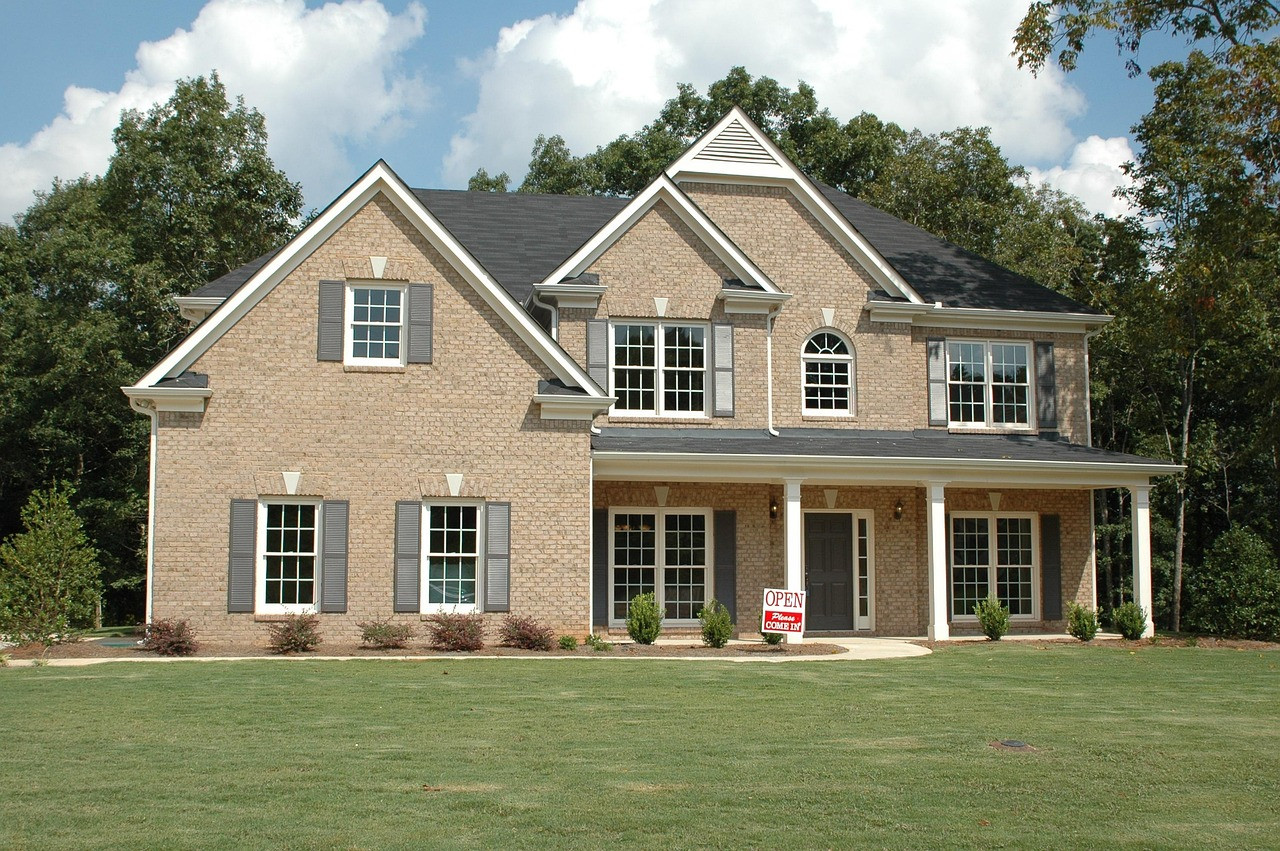
Representative image: paulbr75 / Pixabay
US pending home sales fell 7.3% in September 2026 to a record low of 66.0, NAR said on October 20, as 30-year mortgage rates rose to about 7.4%.
What Happened
Contracts to buy existing homes in the United States fell to a record low in September 2026, the National Association of Realtors (NAR) said on Tuesday, October 20, 2026. Its Pending Home Sales Index dropped 7.3% from August to 66.0, the lowest reading since the series began in 2001. Economists had expected a fall of only about 0.5%. The slump came as the average 30-year fixed mortgage rate rose to about 7.4%, the highest in nearly three years, according to mortgage finance company Freddie Mac.
Key Facts
- Indicator: NAR's Pending Home Sales Index, which tracks contracts signed to buy existing homes.
- September 2026 reading: 66.0, down 7.3% from August and the lowest since the series began in 2001.
- Expectation: economists polled by Reuters had forecast a 0.5% decline.
- Year on year: contracts were 11.3% lower than in September 2025.
- By region: the West fell 9.2%, the South 8.2%, the Midwest 6.5% and the Northeast 4.2%.
- Mortgage rates: the 30-year fixed rate averaged 7.40% in the week before the report, the highest in nearly three years, Freddie Mac data showed.
- Same-day rates: Mortgage News Daily put the average 30-year rate at about 7.4% on the morning of October 20.
- Outlook: NAR chief economist Lawrence Yun said mortgage rates could be close to peaking, but warned that energy prices and inflation remain highly uncertain.
Why It Matters
Pending home sales are a forward-looking measure. They count contracts that have been signed but not yet completed, and most of those sales close one or two months later. A record low in September therefore points to weak completed home sales in October and November. Housing is a big part of the US economy: when people buy homes, they also spend on furniture, appliances, repairs and services, so a slowdown spreads well beyond estate agents.
The main cause is the cost of borrowing. Most Americans buy homes with long-term mortgages, and a jump in rates sharply raises monthly payments. Rates have been rising along with yields on US government bonds, which in turn have been pushed up by inflation worries linked to the war involving Iran and the resulting rise in energy prices. When fewer buyers can afford homes, sellers also hold back, leaving the market stuck. The fall was broad: every one of the four US regions recorded a decline, with the West, where home prices are typically highest, falling the most at 9.2%. That suggests the weakness is not limited to one local market but reflects the national rise in borrowing costs.
For India, the US housing slowdown matters in indirect ways. A weaker US economy can reduce demand for Indian exports and services, and higher US interest rates tend to pull investment money towards US bonds, which can weigh on the rupee and on foreign investment flows into Indian markets. Indian families planning to buy property in the US, or students and workers renting there, also face higher costs.
Impact
Short-term: Completed US home sales are likely to stay weak in the coming months. Builders and estate agents face fewer deals, and some sellers may cut prices or withdraw homes from the market.
Long-term: If mortgage rates peak and begin to ease, as NAR's chief economist suggested they might, demand could recover. If inflation from energy prices keeps rates high, the housing slump could deepen and weigh on US growth.
Who is affected: US home buyers and sellers; mortgage lenders and builders; workers in construction and real estate; investors watching US growth and interest rates; and, indirectly, countries such as India whose exports and capital flows are linked to the US economy.
Key Takeaway
US pending home sales fell 7.3% in September 2026 to a record low of 66.0 as 30-year mortgage rates climbed to about 7.4%, pointing to weaker home sales in the months ahead.
Questions and Answers
What are pending home sales?
Pending home sales count contracts signed to buy existing homes that have not yet closed. Because most close within one or two months, they are an early sign of future home sales.
How much did US pending home sales fall in September 2026?
The NAR's Pending Home Sales Index fell 7.3% from August to 66.0, the lowest since the series began in 2001, and was 11.3% lower than a year earlier.
Why did US pending home sales fall to a record low?
Higher borrowing costs were the main factor. The 30-year fixed mortgage rate averaged 7.40% in the week before the report, the highest in nearly three years, according to Freddie Mac.
Will US mortgage rates come down?
NAR chief economist Lawrence Yun said rates could be topping out, but energy prices and inflation remain highly uncertain, so the outlook is unclear.
Disclaimer: Prepared by the Peepals newsroom from publicly available sources with AI assistance. Information is accurate to the best of our knowledge at the time of publication and may change. Images may be representative. Not professional advice. Report an error via our contact page.
Sourced and fact-checked by the Peepals Global Editorial Team
GE Aerospace raises 2026 outlook on 49% order jump, but shares slip
Google's Gemini adds branding, marketing and finance tools for small businesses
Reported, fact-checked and published by the Peepals Global Editorial Team.