

Zya raises £11.5 million to turn sugar in snacks into fibre
 By Arjun MehtaSenior Business Editor, Peepals Business
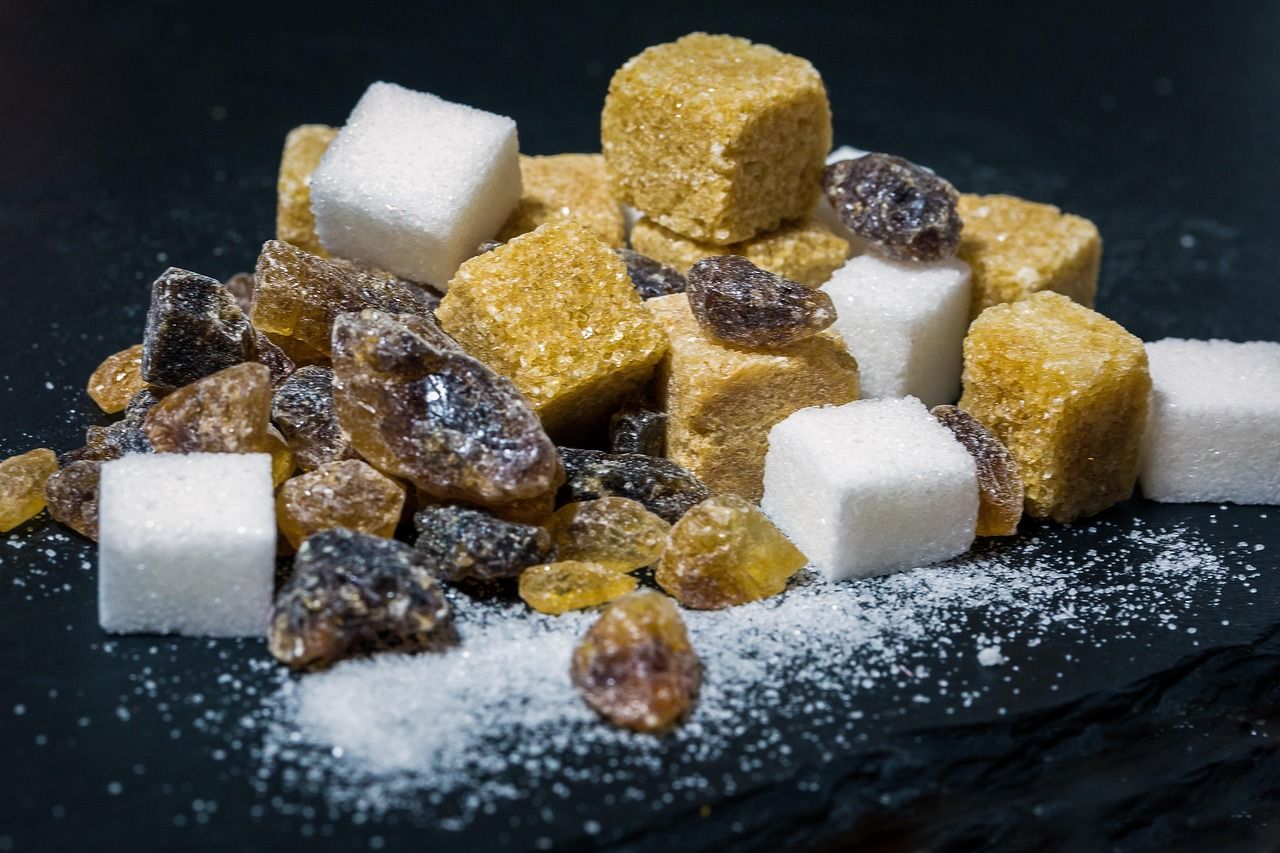
Representative image: maxmann / Pixabay
Oxford-founded food-tech start-up Zya raised a Series A of about £11.5 million led by Astanor in November 2026 for Convero, an enzyme that turns sugar into fibre.
What Happened
Zya, a London food-technology start-up founded by two Oxford biochemists, has raised a Series A round reported at about £11.5 million (roughly $15 million) to bring its sugar-to-fibre enzyme, Convero, to packaged foods. The round, made public in mid-November 2026, was led by Astanor, an agrifood venture investor based in Brussels, with Ahren Innovation Capital, Red Bull Ventures, Zubi Capital, Phase Change and Meach Cove Capital also taking part. Some reports put the round at £12 million or $15.2 million. The company says the money will pay for further animal and human studies, regulatory approvals and partnerships with manufacturers, and that it plans its first product launches with food makers in the United States by the end of 2027.
Zya: key facts
- Company: Zya, a London-based food-technology start-up founded by two Oxford biochemists.
- Round: Series A of about £11.5 million (around $15 million), announced in November 2026; some reports give £12 million or $15.2 million.
- Lead investor: Astanor, which also backed Zya's pre-seed round in 2023.
- Other backers in the new round: Ahren Innovation Capital, Red Bull Ventures, Zubi Capital, Phase Change and Meach Cove Capital.
- Product: Convero, an enzyme made by precision fermentation and sold as a dry powder.
- Claimed effect: the sugar stays in the food, and the enzyme becomes active in the stomach, turning around 30% of the sucrose into a prebiotic fibre called fructooligosaccharides (FOS).
- First targets: low-moisture foods such as chocolate, biscuits, cereal bars and sweets.
- Next step: human studies and US regulatory clearance, with first launches planned by the end of 2027.
Zya: why it matters
Food companies around the world are under pressure to cut sugar. Taxes on sugary drinks, labels that warn shoppers about high sugar, and rising rates of obesity and diabetes have all pushed brands to rework their recipes. The usual way to do that is to take sugar out and put something else in, such as a sweetener or a bulking agent. The trouble is that sugar does more than make food sweet. It gives chocolate its texture, helps biscuits brown and crisp, and holds cereal bars together. Replacing it often changes how a product tastes or behaves, which is why many reformulated products disappoint buyers.
Zya is betting on a different route. Instead of removing sugar from the recipe, its enzyme is mixed into the food and leaves the sugar where it is, so the product should taste and handle the same in the factory. According to the company, the change happens only after eating: in the stomach, the enzyme converts part of the sucrose into FOS, a type of fibre that feeds helpful gut bacteria rather than being absorbed as sugar. If that works in people as it is meant to, a chocolate bar could keep its recipe while delivering less sugar to the body and some added fibre.
Astanor's partner Christina Ulardic said the firm had looked at many sugar-reduction approaches and found that nearly all of them changed the taste or function of the finished product, which is why it chose to lead this round. Zya's co-founder Joshua Sauer has described the aim as transforming sugar into something useful rather than simply cutting it.
There is an important caution. Reports on the round note that the main claim has not yet been shown in human studies, and much of the new money is meant to fill that gap. The enzyme also does not yet suit every kind of food: the company is starting with dry, low-moisture products, where a powder enzyme is easier to handle. Earlier coverage said Zya had first aimed at a US launch in 2026 subject to regulatory approval, so the timeline has already moved back once.
Peepals timeline: Zya raised a pre-seed round in 2023, backed by Astanor alongside Better Ventures, Exor, Exerte Partners and Great Circle Ventures. It had earlier pointed to a US launch in 2026, pending approval from the US Food and Drug Administration. In November 2026 it announced its Series A, again led by Astanor, and it now plans its first launches with US food manufacturers by the end of 2027, after further human studies and a GRAS (Generally Recognised as Safe) clearance in the United States.
Impact
Short-term: Zya now has money to run the human studies and regulatory work that its whole business depends on. Nothing changes on shop shelves yet.
Long-term: If the human data back the claim and regulators approve the enzyme, food makers could reduce the sugar people absorb from snacks without changing recipes or production lines. If the studies disappoint, the product may not reach the market at all.
Who is affected: Packaged-food companies looking for ways to cut sugar, ingredient suppliers, investors in food technology, and consumers who buy chocolate, biscuits and cereal bars.
What to watch next: Results from Zya's human studies, its application for US GRAS clearance, and the first product launches with US food manufacturers, which the company has planned for the end of 2027.
Key Takeaway
Zya has raised about £11.5 million to prove that its Convero enzyme can turn part of the sugar in snacks into fibre after eating, and it still has to show that in people.
Questions and Answers
How much has Zya raised and who led the round?
Zya raised a Series A round reported at about £11.5 million, or roughly $15 million, in November 2026. Astanor led it, with Ahren Innovation Capital, Red Bull Ventures, Zubi Capital, Phase Change and Meach Cove Capital joining.
What does Zya's Convero enzyme do?
Convero is added to foods as a dry powder. The sugar stays in the product, and once eaten the enzyme turns around 30% of the sucrose into fructooligosaccharides, a fibre that feeds gut bacteria, according to the company.
Has the Zya enzyme been proven to work in humans?
Not yet. Reports on the round say the central claim still has to be shown in human studies, and much of the new money is set aside for those studies and for regulatory approval.
When will foods with Zya's enzyme be on sale?
The company plans its first launches with food manufacturers in the United States by the end of 2027, after studies and US regulatory clearance.
Disclaimer: Prepared by the Peepals newsroom from publicly available sources with AI assistance. Information is accurate to the best of our knowledge at the time of publication and may change. Images may be representative. Not professional advice. Report an error via our contact page.
By Arjun Mehta, Senior Business EditorCovers Start-ups & Opportunities and more for Peepals Business. All stories by Arjun Mehta
Your week ahead, every Sunday. Free.
Exam and result dates, IPOs opening, scheme deadlines, government holidays and the RBI decision for the next 7 days, plus the week's top stories. One email a week, unsubscribe in one click.
Arjun Mehta is a pen name of the Peepals Global Editorial Team, which researches, fact-checks and publishes every story. The portrait is an illustration.
Responsible for this story: the Peepals Global Editorial Team, led by editor Prashant Sonar. How we report